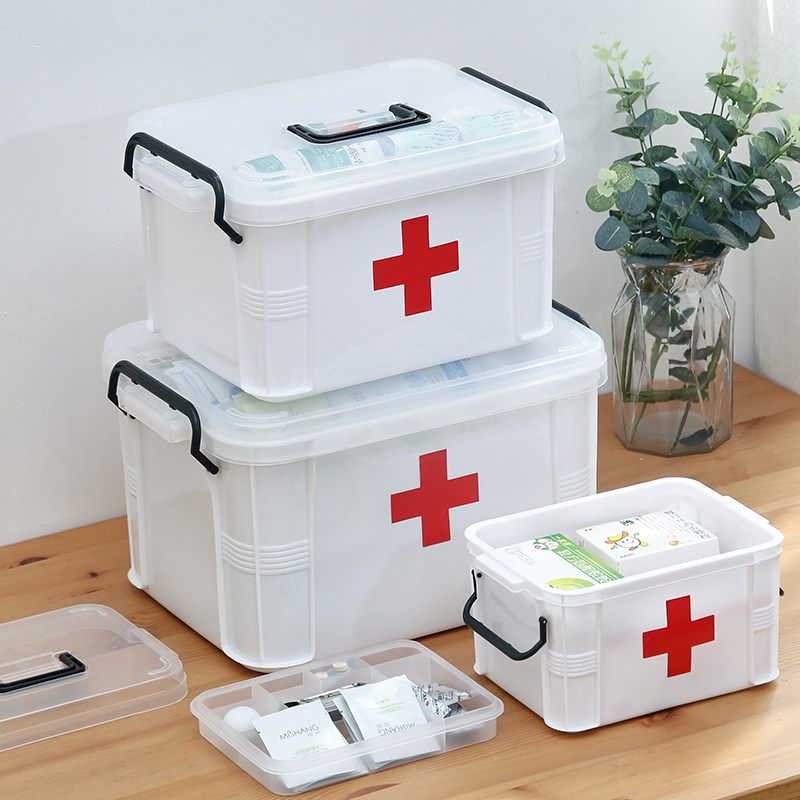
Cute First Aid Box: A Cheerful Way to Stay Prepared
A first aid box does not have to look plain or clinical. A cute first aid box can bring a little personality to your home, classroom, office, or travel bag—and make basic supplies easier to spot when you need them. The key is to pair an appealing design with practical, well-organized contents.
What Makes a First Aid Box “Cute”?
Choose a compact container in a color or pattern you enjoy, such as a cheerful floral print, soft pastel shade, or playful design. A sturdy box with a secure lid is usually more useful than a decorative container that is difficult to open or does not protect its contents. Look for a clear label, too, so anyone can identify it quickly.
For busy households, a simple system can make the box feel both charming and functional. Use small pouches or dividers to group supplies, and add easy-to-read labels such as “Bandages,” “Cleaning,” and “Tools.” Avoid packing the box so tightly that items are hard to find.
Useful Supplies to Include
The right supplies depend on where the box will be used, how many people it serves, and any specific health needs in your household. A general-purpose kit may include:
- Adhesive bandages in assorted sizes
- Sterile gauze pads and roller bandages
- Medical tape
- Antiseptic wipes
- Disposable gloves
- Blunt-tip scissors and tweezers
- A digital thermometer
- A first aid instruction guide
- Emergency contact information
Some households may also keep over-the-counter medicines or personal medical items in a separate, clearly labeled section. Follow product directions, check with a health professional when needed, and keep medicines away from children. A first aid box is not a substitute for prescribed treatment or professional medical care.
Make It Easy to Use
Put the box in a dry, accessible place known to everyone in the household. Keep it out of reach of young children, while making sure responsible adults can find it quickly. If you bring a kit on a trip, secure it so supplies do not spill or become damaged.
Check the contents every few months and after using the kit. Replace anything that is empty, damaged, or past its expiration date. Make sure instructions and emergency contact details are current. A small checklist inside the lid can make these checks easier.
Looks Matter—but Safety Comes First
A cute first aid box can encourage people to keep supplies organized and ready. Still, appearance should never get in the way of quick access. Choose a durable container, label it clearly, and keep its contents suitable for the people and setting it serves.
For serious injuries, severe allergic reactions, trouble breathing, or other medical emergencies, call 911 in the United States. Use your first aid supplies only within your level of training, and follow instructions from emergency professionals.
Cute First Aid Box FAQs: Essentials, Storage, Organization, and Safety
- What should I put in a cute first aid box?
- Where is the best place to keep a first aid box at home?
- How can I make a first aid box cute and easy to organize?
- What size first aid box should I choose for my home or car?
- How often should I check and restock my first aid box?
- How can I keep a cute first aid box safe from children?
What should I put in a cute first aid box?
A cute first aid box should include practical essentials such as adhesive bandages in assorted sizes, sterile gauze pads, medical tape, antiseptic wipes, disposable gloves, tweezers, blunt-tip scissors, and a first aid instruction guide. You can organize supplies in small labeled pouches or compartments, and add household-specific items such as a digital thermometer or emergency contact information. Keep medicines separate, follow their storage instructions, and store the box somewhere dry and easy for adults to find but out of children’s reach. Check it regularly and replace used, damaged, or expired supplies.
Where is the best place to keep a first aid box at home?
The best place to keep a first aid box at home is somewhere dry, easy for adults to reach, and known to everyone in the household—such as a kitchen cabinet or hallway closet. Keep it away from heat and moisture, and out of reach of young children; if it contains medicines, store those securely and follow their label instructions. Make sure the box is clearly labeled and easy to access in an emergency.
How can I make a first aid box cute and easy to organize?
Make your first aid box cute and easy to organize by choosing a sturdy container in a fun color or pattern, then labeling it clearly so it’s easy to spot in an emergency. Use small pouches or dividers to group supplies—such as bandages, cleaning items, and tools—and add a simple checklist inside the lid to help you track what needs restocking. Keep the box in a dry, accessible place, and check it regularly to replace used, damaged, or expired items.
What size first aid box should I choose for my home or car?
Choose a first aid box based on where it will be stored and how many people it needs to serve. For home, a medium or large box with compartments can hold a broader range of supplies for the household. For a car, choose a compact, durable, easy-to-secure kit that fits in an accessible spot without becoming a hazard. Check that either size has room for essential supplies, and review the contents regularly; avoid storing heat-sensitive medicines in a vehicle, where temperatures can fluctuate.
How often should I check and restock my first aid box?
Check your first aid box every six months and after each use. Replace supplies that are missing, damaged, or expired, and make sure items such as medications are stored according to their labels. If you keep the box in a car, travel bag, or other place exposed to heat or moisture, inspect it more often. A simple calendar reminder can help keep your kit ready when you need it.
How can I keep a cute first aid box safe from children?
Keep your cute first aid box in a cool, dry place that adults can reach quickly but young children cannot, such as a high, locked cabinet. Choose a sturdy box with a secure latch, and store medicines separately in child-resistant packaging. Make sure babysitters and other caregivers know where the kit is and how to access it in an emergency. Check the box regularly to ensure supplies are secure, clearly labeled, and out of children’s reach.