Best Medical Kit for Survival: What to Choose and What to Include
The best medical kit for survival is not necessarily the biggest one or the one with the most supplies. It is a kit that matches your likely risks, includes reliable essentials, is easy to carry and use, and is paired with basic first-aid training. A compact kit may suit a day hike, while a household emergency kit needs enough supplies for several people and multiple days.
No kit can replace professional medical care. Call 911 for life-threatening emergencies, and follow instructions from emergency dispatchers. Before using unfamiliar equipment or medication, read its directions and consider taking a certified first-aid or wilderness first-aid course.
What Makes a Medical Kit “Best”?
Look for a kit with clearly labeled, organized contents rather than a high item count alone. Supplies should be durable, sealed, and appropriate for the environment where you plan to use them. A good kit should also leave room for personal medications and any items needed for children, older adults, or people with specific medical needs.
- Matches the setting: Choose supplies for home, vehicle, workplace, hiking, or travel use.
- Easy to access: A well-organized pouch or case makes supplies quicker to find under stress.
- Suitable for the group: Consider how many people the kit must support and for how long.
- Built around quality: Favor dependable, properly packaged supplies over novelty gadgets.
- Maintainable: Check expiration dates and replace used, damaged, or expired items.
Essential Supplies for a Survival Medical Kit
A basic kit can help with minor cuts, blisters, and other common injuries. For emergencies, consider adding supplies appropriate to your training and needs.
Wound Care
- Adhesive bandages in several sizes
- Sterile gauze pads and rolled gauze
- Medical tape
- Antiseptic wipes
- Disposable nitrile gloves
- Blister treatment and moleskin
- Trauma shears
Injury and Emergency Supplies
- A commercial pressure dressing
- A rescue blanket for warmth
- An instant cold pack
- A digital thermometer
- A CPR face shield
- A reliable flashlight or headlamp, stored separately or in the kit
Some people choose to carry a commercially made tourniquet for severe limb bleeding. A tourniquet should be used only for a life-threatening bleed and according to current training and the manufacturer’s instructions. Do not rely on a device you have not learned to use.
Personal Medications and Health Information
Include a current list of medications, allergies, medical conditions, and emergency contacts. If you rely on prescription medication, talk with your healthcare provider or pharmacist about emergency planning, safe storage, and whether you can keep an appropriate backup supply. Keep medications in their original packaging when practical, and follow label storage instructions.
Over-the-counter medicines may be useful, but the right choices depend on age, health conditions, allergies, and other medications. Check with a clinician or pharmacist before adding medicines for children or anyone with ongoing health concerns.
Choosing a Kit for Different Situations
For the Home
A household kit should be easy for all adults to find and should account for the number of people in the home. Store it in a dry, accessible place, and keep a smaller kit available for power outages or evacuation. Add personal medical supplies, a written emergency contact list, and a way to communicate if phone service is disrupted.
For a Vehicle
Choose a sturdy, compact kit that can be reached without unpacking the entire vehicle. Heat and cold can damage some supplies and medications, so check storage instructions and inspect the kit regularly. Keep it secured so it does not become a hazard during sudden stops.
For Hiking and Outdoor Use
For outdoor trips, prioritize low weight, weather-resistant packaging, blister care, wound supplies, and items suited to the group and terrain. A remote trip may call for additional supplies, but only carry specialized equipment you know how to use. Tell someone your route and expected return time, and bring a way to contact emergency services where possible.
How to Choose a Preassembled Kit
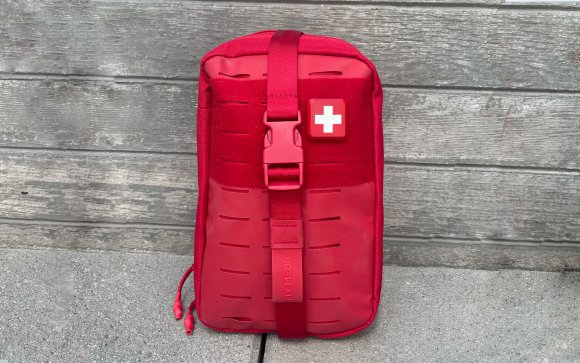
When comparing preassembled kits, read the inventory list carefully. Some kits look extensive but contain mostly small adhesive bandages, while leaving out useful basics such as gloves, gauze, or medical tape. Check the quality and packaging of the contents, whether the case is easy to organize, and whether replacement supplies are available.
A preassembled kit is a convenient starting point, not a complete solution. Add supplies for your specific risks and remove items that are unsuitable or that you do not know how to use.
Keep Your Kit Ready
- Review the contents at least twice a year and after every use.
- Replace expired, opened, or damaged supplies.
- Keep the kit clean, dry, and easy to reach.
- Make sure household members know where it is and how to contact emergency services.
- Practice basic first aid through a reputable training provider.
The Bottom Line
The best medical kit for survival is one tailored to your setting, your group, and your level of training. Start with quality wound-care supplies, gloves, basic emergency items, and a plan for personal medications. Then keep the kit maintained and learn how to use what is inside. Preparation, training, and prompt professional care matter as much as the contents of the bag.
Best Medical Kit for Survival: 7 Frequently Asked Questions
- What should be included in the best medical kit for survival?
- What is the best preassembled survival medical kit?
- How do I choose a survival medical kit for home, car, or hiking?
- How many people should a survival medical kit be equipped to support?
- Should a survival medical kit include a tourniquet?
- How often should I check and replace supplies in my survival medical kit?
- What first-aid training should I have before using a survival medical kit?
What should be included in the best medical kit for survival?
The best medical kit for survival should include supplies for common injuries and urgent needs: assorted adhesive bandages, sterile gauze and medical tape, antiseptic wipes, disposable gloves, trauma shears, blister care, and a rescue blanket. Add personal prescription medications, a list of medical conditions and allergies, and any items needed by children or other household members. Depending on your setting and training, you may also include a digital thermometer, CPR face shield, and a commercial tourniquet. Check expiration dates regularly, replace used supplies, and learn how to use the equipment; call 911 for life-threatening emergencies.
What is the best preassembled survival medical kit?
The best preassembled survival medical kit is one that fits your needs, is easy to carry and organize, and includes quality essentials such as gloves, gauze, medical tape, bandages, and wound-care supplies. There’s no single kit that works best for everyone, so compare the contents—not just the item count—and choose one suited to your setting, whether it’s home, a vehicle, or outdoor travel. Add personal medications and supplies for your household, check expiration dates regularly, and make sure you know how to use the items in the kit.
How do I choose a survival medical kit for home, car, or hiking?
Choose a survival medical kit based on where you’ll use it, how many people it needs to support, and the risks you’re likely to face. For home, select a well-stocked kit with enough basic wound-care supplies for your household, plus personal medications and health information. For your car, prioritize a compact, durable kit that’s easy to reach, and check that heat or cold hasn’t damaged its contents. For hiking, choose a lightweight, weather-resistant kit with essentials for cuts, blisters, and common trail injuries; add specialized supplies only if you know how to use them. In every case, check expiration dates regularly and consider taking a first-aid course.
How many people should a survival medical kit be equipped to support?
A survival medical kit should be sized for everyone who may rely on it, including family members, travel companions, or coworkers, and for the length of time you may be away from professional help. For a day trip, a compact kit for your group may be enough; for home or extended emergencies, plan for multiple people and several days. Include extra commonly used supplies, account for children and specific medical needs, and keep personal medications separate and properly stored.
Should a survival medical kit include a tourniquet?
A survival medical kit may include a commercial tourniquet for severe, life-threatening bleeding from an arm or leg, especially when emergency help may be delayed. Choose a reputable, properly sized device and learn to use it through hands-on first-aid training; a tourniquet should not be used for minor bleeding or injuries to the head or torso. Follow your training and the manufacturer’s instructions, and call 911 as soon as possible.
How often should I check and replace supplies in my survival medical kit?
Check your survival medical kit at least every six months and after each use. Replace expired medications and sterile supplies, and discard anything that is damaged, opened, wet, or contaminated. Also check batteries and any items affected by heat or cold, especially in a vehicle kit. Keep an inventory list, follow storage instructions, and restock promptly so the kit is ready when needed.
What first-aid training should I have before using a survival medical kit?
Before relying on a survival medical kit, take a hands-on first-aid and CPR course from a reputable provider, such as the American Red Cross or the American Heart Association. Training should cover basic wound care, controlling severe bleeding, recognizing shock, treating burns, and responding to common medical emergencies. If you spend time in remote areas, consider a wilderness first-aid course, which addresses care when professional help may be delayed. Learn how to use any specialized items in your kit, such as a tourniquet or pressure dressing, through qualified instruction, and refresh your skills regularly. For life-threatening emergencies, call 911 as soon as possible and follow the dispatcher’s directions.