First Aid Supplies List: What to Keep in Your Home and Emergency Kit
A well-stocked first aid kit can help you care for minor injuries while you arrange medical help for more serious ones. Keep a kit at home and consider a smaller, portable version for your car or emergency go-bag. Check supplies regularly and replace anything that is used, expired, damaged, or no longer sterile.
Basic First Aid Supplies
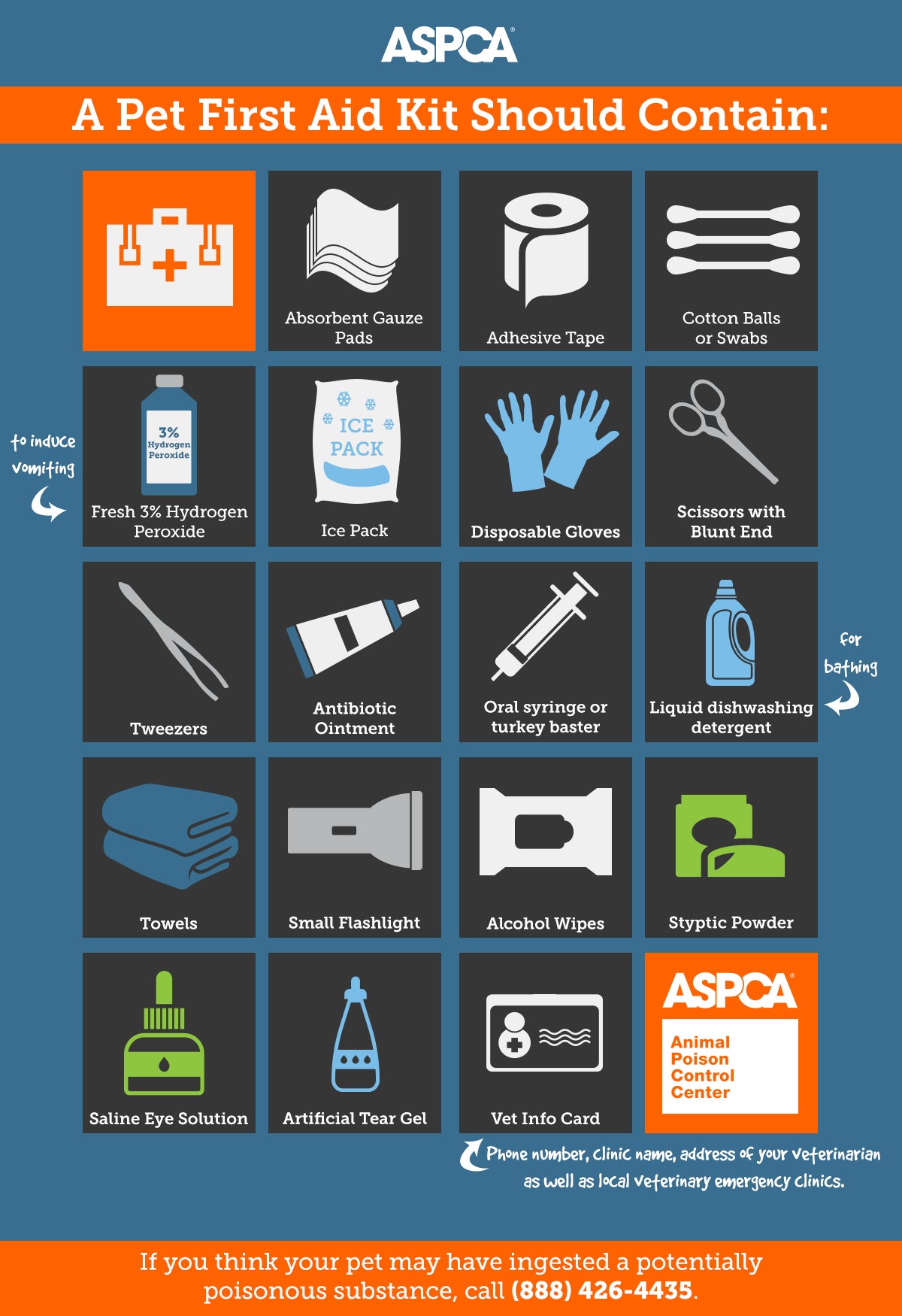
- Adhesive bandages in assorted sizes
- Sterile gauze pads and rolls
- Adhesive medical tape
- Nonstick dressings for larger wounds
- Elastic bandage wraps
- Antiseptic wipes or a small bottle of wound-cleaning solution
- Antibiotic ointment, if appropriate for your household
- Instant cold packs
- Disposable nitrile gloves
- Tweezers
- Blunt-tip scissors
- Safety pins
- Digital thermometer
- CPR face shield or breathing barrier
- Emergency blanket
- Hand sanitizer
Medicines and Personal Items
Choose over-the-counter medicines based on the needs of your household, and follow label directions. Keep medicines in their original packaging when possible. Ask a health care professional or pharmacist about items that may not be suitable for children, pregnancy, allergies, or existing medical conditions.
- Pain and fever medicine suitable for household members
- Antihistamine for allergic reactions
- Oral rehydration solution or electrolyte packets
- Any prescription medicines needed by household members
- A written list of allergies, medical conditions, medications, and emergency contacts
- Spare glasses, contact lens supplies, or hearing-aid batteries, if needed
Do not use a first aid kit as a substitute for prescribed treatment. Keep essential medicines accessible, and ask your clinician or pharmacist how to store them during an evacuation or power outage.
Helpful Additions for a Flood Emergency Kit
Floodwater can contain sewage, chemicals, and other hazards. If your household may need to travel through or clean up after a flood, consider adding these items:
- Extra disposable gloves and protective eyewear
- Waterproof bags for keeping medical supplies dry
- Soap and clean water, or additional hand sanitizer
- Clean towels and extra dressings
- A flashlight and spare batteries
- A supply of drinking water
Avoid direct contact with floodwater when possible. Wash skin that has been exposed with soap and clean water. Seek medical advice if a wound has been exposed to floodwater, becomes red or swollen, or shows other signs of infection. Make sure tetanus vaccinations are current; a health care professional can advise whether a booster is needed after an injury.
Store and Maintain Your Kit
- Keep supplies in a clean, dry, easy-to-carry container.
- Store the kit where adults can reach it quickly, but children cannot access medicines or sharp tools.
- Keep a kit at home and consider additional kits for the car and workplace.
- Review the contents at least twice a year and after using the kit.
- Replace expired medicines and sterile supplies, and check batteries and packaging.
- Make sure household members know where the kit is and how to use its contents.
When to Get Emergency Help
Call 911 for life-threatening emergencies, such as severe bleeding, trouble breathing, loss of consciousness, or a serious injury. Apply firm, direct pressure to severe bleeding while waiting for help, if it is safe to do so. For urgent but non-life-threatening concerns, contact a health care professional or local medical advice service.
The best first aid kit is one tailored to the people who may use it. Review your household’s medical needs, learn basic first aid, and keep emergency supplies ready before you need them.
First Aid Supplies List: 9 Frequently Asked Questions
- What should be included in a basic first aid kit?
- How many first aid supplies should I keep at home?
- What medicines should I include in a first aid kit?
- How often should I check and replace first aid supplies?
- What first aid supplies should I keep in my car?
- What should I add to a first aid kit for children?
- How should I store a first aid kit safely?
- What first aid supplies are useful during a flood or other emergency?
- When should I call 911 instead of using first aid supplies?
What should be included in a basic first aid kit?
A basic first aid kit should include adhesive bandages in assorted sizes, sterile gauze pads, medical tape, antiseptic wipes, disposable gloves, tweezers, scissors, an elastic bandage, and a digital thermometer. You may also want to add cold packs, a CPR face shield, hand sanitizer, and household-specific medicines or emergency contact information. Check the kit regularly, replace used or expired items, and tailor its contents to your family’s needs.
How many first aid supplies should I keep at home?
The number of first aid supplies to keep at home depends on your household size, medical needs, and how often you can restock. Start with enough basic items to treat several minor injuries—such as assorted bandages, gauze, medical tape, gloves, antiseptic wipes, and any household-appropriate medicines—and keep extra supplies for children, chronic conditions, or emergencies that could delay access to stores. Check your kit every six months and replace used, expired, or damaged items.
What medicines should I include in a first aid kit?
A first aid kit may include common over-the-counter medicines such as pain or fever relievers, an antihistamine for allergies, and an oral rehydration solution or electrolyte packets. Choose products appropriate for each person’s age, health conditions, allergies, and other medications, and follow the label directions. Keep prescription medicines in their original containers and include a current medication and allergy list. Check expiration dates regularly, and ask a doctor or pharmacist what is appropriate for your household—especially for children, pregnancy, or chronic conditions.
How often should I check and replace first aid supplies?
Check your first aid supplies at least every six months and after using the kit. Replace expired medicines, used items, and anything that is damaged, contaminated, or no longer in sterile packaging. Also check that batteries work and that personal medications and supplies are still appropriate for your household. Marking a reminder on your calendar can help keep your kit ready when you need it.
What first aid supplies should I keep in my car?
Keep a compact, well-organized first aid kit in your car with assorted adhesive bandages, sterile gauze pads, medical tape, antiseptic wipes, disposable gloves, tweezers, scissors, an elastic bandage, a cold pack, and a CPR face shield. Add any personal medications or medical information your passengers may need, and consider including a flashlight and emergency blanket. Store supplies in a sealed container away from excessive heat and direct sunlight, and check them regularly for damage or expiration dates. A car kit is for basic care; call 911 for serious or life-threatening injuries.
What should I add to a first aid kit for children?
For a child-friendly first aid kit, include the basics—assorted adhesive bandages, sterile gauze, medical tape, antiseptic wipes, tweezers, blunt-tip scissors, disposable gloves, and a digital thermometer—plus child-appropriate medicines recommended by your pediatrician or pharmacist. Add a child-sized mask or CPR face shield if available, instant cold packs, and a written list of allergies, medical conditions, medications, and emergency contacts. Keep medicines in their original packaging, check age and weight instructions before use, and store the kit out of children’s reach while making sure caregivers can access it quickly.
How should I store a first aid kit safely?
Store your first aid kit in a clean, dry, easy-to-reach place, away from heat, moisture, and direct sunlight, which can damage supplies and medicines. Keep it out of children’s reach, but make sure adults and caregivers know where it is. Use a clearly labeled, sturdy, portable container, and check the kit regularly to replace used, expired, or damaged items.
What first aid supplies are useful during a flood or other emergency?
During a flood or other emergency, keep a waterproof first aid kit with adhesive bandages, sterile gauze and dressings, medical tape, disposable gloves, antiseptic wipes, scissors, tweezers, a digital thermometer, and any prescription medicines your household needs. Include a CPR face shield, hand sanitizer, a flashlight with extra batteries, and a written list of medical conditions, allergies, medications, and emergency contacts. Store supplies in a portable, easy-to-reach container, and avoid using medicines or dressings that have been wet or contaminated by floodwater.
When should I call 911 instead of using first aid supplies?
Call 911 when someone has a life-threatening emergency, such as trouble breathing, severe bleeding that won’t stop with firm pressure, chest pain, signs of stroke, a seizure, loss of consciousness, or a serious injury. Don’t delay emergency care to search for or use first aid supplies. Call 911, follow the dispatcher’s instructions, and provide basic first aid only if it’s safe to do so.