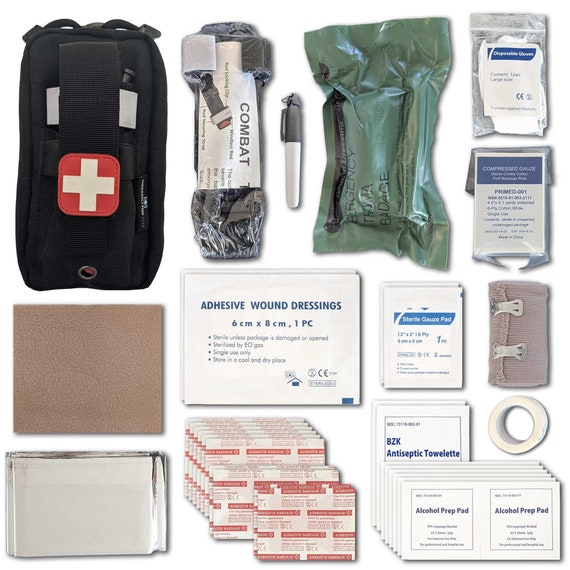
How to Build a Personal First Aid Kit
A personal first aid kit can help you handle minor injuries and provide basic care while you arrange professional medical help. Keep one at home, in your vehicle, or in a backpack, and tailor its contents to your health needs, activities, and the people who may use it.
What to Include
Choose a durable, water-resistant container that is easy to open. A clear pouch or labeled case makes supplies easier to find. A basic personal kit may include:
- Adhesive bandages in several sizes
- Sterile gauze pads and roller gauze
- Medical adhesive tape
- Antiseptic wipes or another appropriate wound-cleaning option
- Antibiotic ointment, if suitable for the user
- Disposable, nonlatex gloves
- Small scissors and tweezers
- Elastic bandage
- Instant cold pack
- Digital thermometer
- CPR face shield or breathing barrier
- Emergency blanket
- First aid instructions or a quick-reference guide
You may also want to include over-the-counter medicines you can safely take, such as a pain reliever or an antihistamine. Keep medicines in their original, labeled packaging and follow the directions. Do not include medication for someone else unless a healthcare professional has advised you to do so.
Personalize Your Kit
A useful kit reflects the needs of the people who may rely on it. Consider adding a list of emergency contacts, relevant medical information, and supplies for known allergies or health conditions. If you use prescription medication or medical devices, follow your healthcare provider’s guidance on keeping backup supplies and storing them safely.
For outdoor activities, travel, or work, adjust your kit accordingly. A hiking kit might include blister-care supplies and extra dressings, while a vehicle kit may need supplies that tolerate temperature changes. Check product labels for storage requirements, especially for medicines and items that can be damaged by heat or cold.
Store and Maintain It
Keep the kit somewhere accessible and make sure everyone in your household knows where it is. Store it away from children unless it is secured, and keep medicines and sharp tools out of their reach. Avoid leaving temperature-sensitive items in a hot car for long periods.
Inspect your kit at least every six months and after using it. Replace expired medicines, damaged packaging, and used or contaminated supplies. Restock anything that is running low, and make sure any instructions are still readable.
Know When to Get Help
A first aid kit is not a substitute for medical care. Call 911 for life-threatening emergencies, such as severe bleeding, trouble breathing, loss of consciousness, or a suspected serious injury. If you are unsure how to treat an injury, contact a healthcare professional or poison control as appropriate. Consider taking a first aid and CPR course so you can use your supplies safely and confidently.
A well-maintained personal first aid kit is simple to prepare and can make basic care more organized when an unexpected injury occurs.
7 Tips for Building and Maintaining Your Personal First Aid Kit
- Choose a compact, waterproof container.
- Include adhesive bandages in several sizes.
- Pack sterile gauze, medical tape, and antiseptic wipes.
- Add tweezers and small scissors.
- Keep personal medications and allergy supplies inside.
- Check expiration dates and replace used items.
- Store the kit where you can reach it quickly.
Choose a compact, waterproof container.
Choose a compact, waterproof container to keep your first aid supplies clean, dry, and protected from damage. A small, well-organized case is easy to store in a backpack, vehicle, or desk, while a secure closure helps prevent supplies from spilling out. Look for a durable container that opens quickly and has enough room for your essentials without becoming bulky.
Include adhesive bandages in several sizes.
Include adhesive bandages in several sizes so your first aid kit can cover small cuts and scrapes on different parts of the body. Small bandages work well for fingers, while larger ones can protect broader areas. Check the package periodically and replace any bandages that are used, damaged, or past their expiration date.
Pack sterile gauze, medical tape, and antiseptic wipes.
Pack sterile gauze, medical tape, and antiseptic wipes in your personal first aid kit so you can clean minor wounds and cover them with a dressing. Gauze can help absorb blood and protect an injury, while medical tape holds it in place. Check that packages are sealed and replace any supplies that are used, damaged, or expired.
Add tweezers and small scissors.
Add tweezers and small scissors to your personal first aid kit to make common tasks easier. Tweezers can help remove splinters or debris from a wound, while small scissors are useful for trimming medical tape, gauze, or clothing around an injury. Choose sturdy, easy-to-clean tools, and store them with protective covers to prevent accidental pokes or cuts.
Keep personal medications and allergy supplies inside.
Include any personal medications and allergy supplies you may need, such as prescribed medicine, an epinephrine auto-injector, or antihistamines. Keep medications in their original labeled packaging, check expiration dates regularly, and follow your healthcare provider’s storage instructions. Make sure the supplies are easy to find and accessible to the person who may need them, while keeping them safely away from children.
Check expiration dates and replace used items.
Check your personal first aid kit regularly for expired items and replace anything you’ve used. Expired medicines and damaged or outdated supplies may not work as intended when you need them. Set a reminder to inspect the kit every six months, and restock it after each use so it’s ready for the next emergency.
Store the kit where you can reach it quickly.
Store your personal first aid kit in a clearly marked, easy-to-reach place so you can grab it quickly during an emergency. Make sure everyone in your household knows where it is, and avoid storing it behind heavy items or in a locked space. Keep it out of children’s reach while ensuring adults can access it without delay.