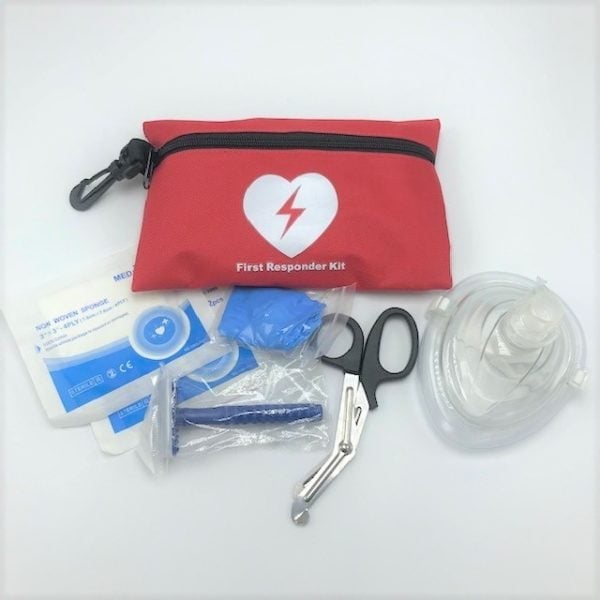
First Responder First Aid Kit: What to Include and How to Use It
A first responder first aid kit is designed to support immediate care during an emergency, before a person can receive further medical attention. Whether kept in a vehicle, workplace, community facility, or emergency response bag, a well-organized kit can help trained responders manage common injuries and provide basic support while waiting for emergency medical services.
No single kit fits every situation. The right supplies depend on the responder’s training, the number of people who may need help, the setting, and local requirements. A kit should supplement—not replace—appropriate training, emergency services, and professional medical care.
Core Supplies for a First Responder Kit
A practical kit may include supplies for bleeding control, wound care, personal protection, and basic assessment. Consider including:
- Personal protective equipment: Disposable nitrile gloves, eye protection, and a resuscitation face shield or mask.
- Bleeding-control supplies: Sterile gauze pads, roller gauze, trauma dressings, medical tape, and commercially manufactured tourniquets. Use these only in accordance with training and current guidance.
- Wound-care items: Adhesive bandages in assorted sizes, sterile dressings, antiseptic wipes, and saline or clean water for rinsing minor wounds.
- Basic assessment tools: A reliable flashlight, shears, a digital thermometer, and a blood pressure cuff or pulse oximeter if the responder is trained to use them.
- Comfort and support items: A thermal blanket, cold packs, and triangular bandages or other supplies included in the responder’s training.
- Documentation and communication: A notepad, pen, incident forms, and a charged phone or radio. Include emergency contacts and relevant site information where appropriate.
Some advanced supplies—such as airway equipment, medications, or specialized trauma tools—should be carried only by people who are trained and authorized to use them. Medication availability and use may also be governed by workplace policies, medical direction, and local regulations.
Choose a Kit for the Environment
Think about the emergencies most likely to occur where the kit will be used. A workplace may need supplies suited to its particular hazards, while a vehicle kit should be compact, secured, and protected from heat or freezing temperatures. Event organizers may need enough supplies for larger crowds and a clear process for contacting emergency services.
In flood-prone areas, responders may face wet conditions, debris, limited access, and power outages. Store supplies in a clearly labeled, water-resistant container, and keep the kit somewhere it can be reached safely. First aid supplies do not make it safe to enter floodwater or unstable structures. Follow emergency instructions and avoid hazardous areas.
Keep the Kit Ready
A first aid kit is useful only if its contents are available, clean, and in good condition. Assign someone to inspect it on a regular schedule and after every use. Check that:
- Supplies are present and easy to identify.
- Packages are sealed and sterile items are undamaged.
- Items have not expired or deteriorated from heat, moisture, or cold.
- Reusable equipment is cleaned and maintained according to its instructions.
- Used supplies are replaced promptly.
Keep an inventory inside the container and mark the inspection date. Store the kit in a consistent, accessible location, and make sure responders know how to reach it. Avoid placing it where children or unauthorized people could access restricted supplies.
Training Matters
Having equipment nearby is not the same as being prepared to use it. First aid, CPR, and automated external defibrillator (AED) training can help responders act more confidently and recognize the limits of their role. Training should be refreshed as recommended by the certifying organization, and kit contents should match the skills responders have practiced.
During an emergency, first make sure the scene is safe. Call 911 when a person has a serious or potentially life-threatening condition, and follow instructions from the dispatcher. Provide care within the limits of your training, use protective equipment, and do not delay professional help while searching for supplies.
Preparation Makes a Difference
A thoughtfully stocked and regularly checked first responder first aid kit can support a faster, more organized response to injury or illness. Select supplies for the setting, maintain them carefully, and pair the kit with training and a clear emergency plan. Those steps help responders provide appropriate initial care while professional assistance is on the way.
9 Essential Tips for a First Responder First Aid Kit
- Choose a durable, clearly labeled kit.
- Stock supplies for likely emergencies.
- Include gloves, masks, and eye protection.
- Check expiration dates regularly.
- Replace used or damaged supplies promptly.
- Keep a tourniquet accessible if trained to use one.
- Store the kit in a known, easy-to-reach place.
- Protect supplies from heat, moisture, and dirt.
- Train responders on the kit’s contents and use.
Choose a durable, clearly labeled kit.
Choose a durable, clearly labeled first aid kit that can withstand the conditions where it will be stored and used. A sturdy, water-resistant case helps protect supplies from moisture, dust, and damage, while clear labels make the kit easy to spot in an emergency. Keep it in an accessible, consistent location and make sure responders know where to find it.
Stock supplies for likely emergencies.
Stock your first responder first aid kit with supplies suited to the emergencies most likely in your setting. A workplace with machinery, a vehicle, and a flood-prone community may each need different equipment. Consider common injuries, environmental hazards, the number of people who may need care, and how quickly emergency services can reach the area. Choose items that match responders’ training, and check local requirements and workplace policies when selecting specialized supplies.
Include gloves, masks, and eye protection.
Include disposable gloves, masks, and eye protection in every first responder first aid kit to help reduce exposure to blood, bodily fluids, droplets, and other hazards. Keep protective gear in a clearly marked, easy-to-reach compartment, and carry multiple sizes when possible so it fits properly. Check supplies regularly and replace damaged or used items. Responders should follow their training and workplace safety procedures when putting on and removing protective equipment.
Check expiration dates regularly.
Check the expiration dates on first aid kit supplies regularly, since some items may lose effectiveness or sterility over time. Set a routine inspection schedule, check products after the kit is used, and replace expired or damaged supplies promptly. Keeping an inventory with expiration dates can make inspections easier and help ensure the kit is ready when needed.
Replace used or damaged supplies promptly.
Replace used or damaged supplies promptly so the first aid kit is ready when an emergency occurs. After each use, check the kit’s inventory and restock anything that was taken out, opened, contaminated, or broken. Also replace items that are expired or have been affected by heat, moisture, or other damage. Regular checks help ensure responders can find clean, reliable supplies when they need them.
Keep a tourniquet accessible if trained to use one.
Keep a commercially manufactured tourniquet in an easy-to-reach location if you’re trained to use one. In a life-threatening emergency involving severe bleeding from an arm or leg, quick access can matter—but use the tourniquet only according to your training and the manufacturer’s instructions. Call 911, follow the dispatcher’s guidance, and don’t loosen or remove an applied tourniquet; leave that to medical professionals.
Store the kit in a known, easy-to-reach place.
Store the first responder first aid kit in a clearly marked, easy-to-reach location that everyone on the team knows. Avoid locked or cluttered areas that could delay access during an emergency, and make sure the kit stays in the same designated spot after inspections or use. For vehicles or outdoor settings, secure it in a visible, protected place where it can be reached safely.
Protect supplies from heat, moisture, and dirt.
Protect first aid supplies from heat, moisture, and dirt so they stay clean, effective, and ready to use. Store the kit in a sturdy, water-resistant container in a cool, dry place, and keep it away from direct sunlight, damp floors, and dusty areas. Check the kit regularly for damaged packaging, moisture, or signs of contamination, and replace any compromised supplies.
Train responders on the kit’s contents and use.
Train responders on the kit’s contents and how to use each item safely. Hands-on practice helps them find supplies quickly, use equipment within the limits of their training, and recognize when to call 911 or wait for professional medical help. Review the kit regularly, especially when supplies change, and refresh training as needed.