Waterproof First Aid Kit: What to Include and How to Protect It
A first aid kit is useful only if its supplies are clean, dry, and ready when needed. A waterproof first aid kit helps protect bandages, medications, and other essentials from rain, splashes, spills, and damp storage. It can be especially valuable for boating, camping, road trips, severe weather preparation, and flood-prone areas.
What Makes a First Aid Kit Waterproof?
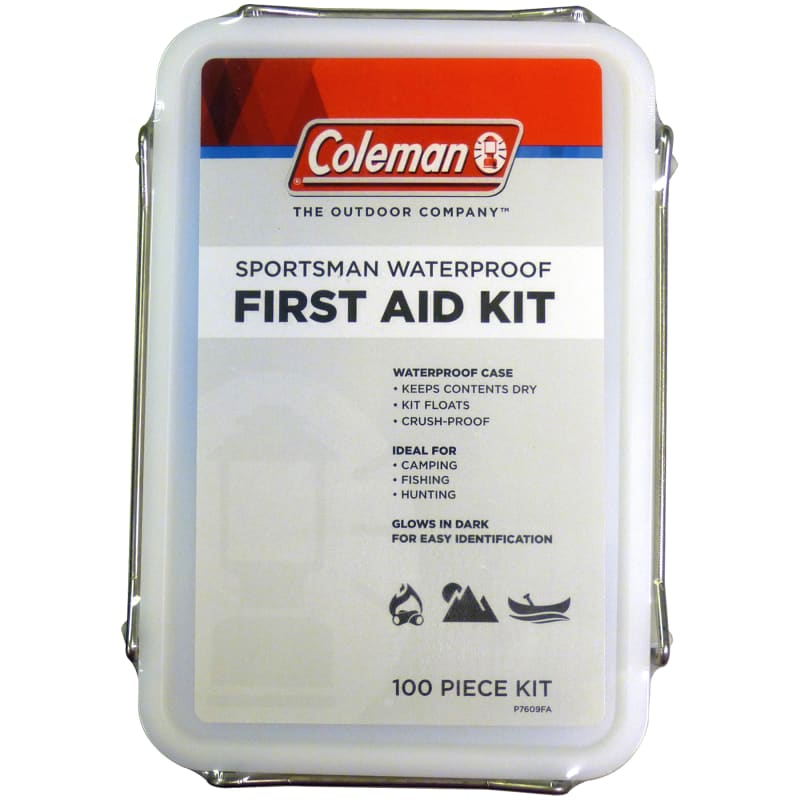
“Waterproof” can mean different things. Some kits come in a sealed, waterproof case; others use a water-resistant bag that may protect against light rain but not submersion. Check the manufacturer’s description and any Ingress Protection (IP) rating rather than relying on the label alone. If the kit could be exposed to heavy rain or floodwater, place individual supplies in sealed pouches inside the main container for extra protection.
A durable case should close securely, resist punctures, and be easy to open quickly. Bright colors and a clear first aid symbol can make it easier to find in an emergency. If the case is airtight, consider how you will access it quickly and whether its closure remains secure after repeated use.
What to Put in a Waterproof First Aid Kit
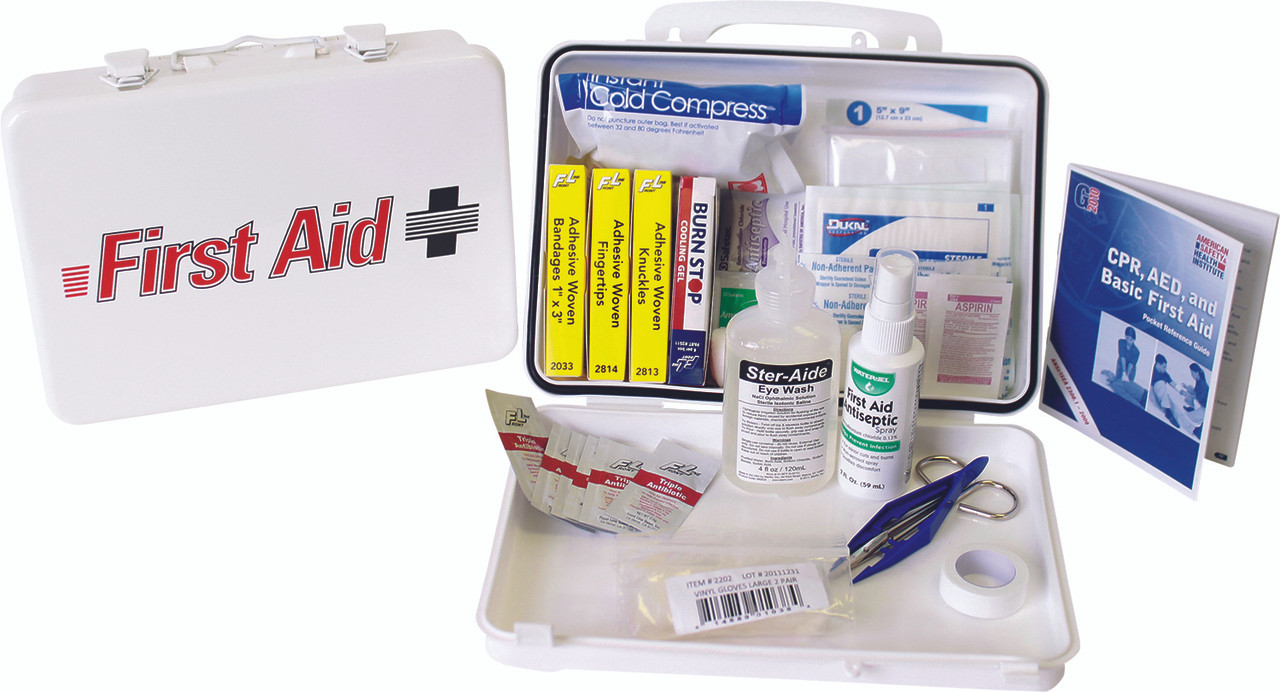
Choose supplies based on the number of people, trip length, activities, and likely hazards. A general-purpose kit may include:
- Adhesive bandages in several sizes
- Sterile gauze pads and roller gauze
- Medical tape and elastic bandages
- Antiseptic wipes and antibiotic ointment
- Nitrile gloves
- Blunt-tip scissors and tweezers
- Instant cold pack
- Digital thermometer
- CPR face shield or breathing barrier
- Burn dressing or burn gel, if appropriate for your activities
- Emergency blanket
- First aid instructions and emergency contact information
Include personal items such as prescription medications, allergy medicine, or an epinephrine auto-injector when needed. Keep medicines in their original packaging when practical, and follow the storage instructions on the label. Do not place essential medication in a kit that might be left in a hot vehicle or exposed to temperatures outside the recommended range.
Extra Items for Flood and Severe Weather Readiness
In flood-prone areas, a first aid kit is only one part of emergency preparation. Consider adding a headlamp with spare batteries, hand sanitizer, a whistle, and a written list of important phone numbers. Store the kit where it can be reached quickly, ideally with other emergency supplies in a location above expected flood levels.
Floodwater can contain sewage, chemicals, and debris. Avoid contact with floodwater when possible, and use gloves when treating someone who has been exposed or injured. Clean minor wounds with safe, clean water and seek medical advice for deep, contaminated, or puncture wounds. Get urgent care for serious injuries, signs of infection, or possible exposure to hazardous substances.
How to Keep the Kit Ready
- Check the seal: Inspect the case and closures for cracks, wear, or damage.
- Use inner pouches: Keep items that must stay dry, such as dressings and instructions, in sealed bags.
- Review expiration dates: Replace expired medications and products, and restock anything used.
- Keep it accessible: Store the kit in a known, easy-to-reach place—not buried under other supplies.
- Know what is inside: Make sure household members or trip companions can find and use the supplies.
Choose a Kit for Your Needs
A compact waterproof kit may be enough for a day hike or small vehicle, while a household or boat may need a larger kit with supplies for multiple people. A preassembled kit can be a convenient starting point, but it should be checked and customized for your needs. Consider taking a first aid or CPR course so you know how to use the supplies safely.
A well-stocked kit, protected by a dependable waterproof container and checked regularly, can help you respond more effectively to minor injuries and be better prepared for emergencies. For life-threatening injuries or medical emergencies, call 911.
5 Essential Tips for Maintaining a Reliable Waterproof First Aid Kit
- Choose a waterproof, durable case with a secure seal.
- Store supplies in labeled, resealable waterproof bags.
- Check the seal and contents regularly for damage or expiration.
- Keep the kit easy to reach in wet-weather emergencies.
- Dry the case and replace wet or contaminated supplies promptly.
Choose a waterproof, durable case with a secure seal.
Choose a waterproof, durable case with a secure seal to keep first aid supplies dry and protected from rain, splashes, and damp conditions. Look for sturdy materials that resist punctures and a closure that stays shut but is easy to open in an emergency. Check the seal regularly for wear or damage, and consider placing critical items such as bandages and medications in separate resealable pouches for added protection.
Store supplies in labeled, resealable waterproof bags.
Store first aid supplies in clearly labeled, resealable waterproof bags to keep them dry, organized, and easy to find in an emergency. Use separate bags for items such as bandages, medications, and wound-care supplies, and label each one so you can quickly grab what you need. Check the seals regularly and replace any bags that are torn or no longer close securely.
Check the seal and contents regularly for damage or expiration.
Check your waterproof first aid kit regularly to make sure the case still seals securely and has no cracks, worn closures, or other damage that could let moisture in. Open the kit to inspect supplies for dampness, contamination, or torn packaging, and replace expired medications and used or damaged items. A quick check every few months—and after the kit gets wet or is used—can help ensure everything is ready when you need it.
Keep the kit easy to reach in wet-weather emergencies.
Keep your waterproof first aid kit somewhere easy to reach during wet-weather emergencies, such as heavy rain, flooding, or a boating incident. Store it in a clearly marked spot near your other emergency supplies, and avoid placing it under heavy items or in an area that may become difficult to access. Make sure everyone in your household or group knows where it is and can retrieve it quickly.
Dry the case and replace wet or contaminated supplies promptly.
After using your waterproof first aid kit, dry the case thoroughly before storing it to help prevent mold, corrosion, and damage to its contents. Check every item for moisture or contamination, and replace wet, dirty, or damaged supplies promptly—especially sterile dressings, medications, and adhesive bandages. A waterproof case can reduce exposure, but it does not guarantee that supplies will stay safe after every use.