First Aid Supplies Near Me: Where to Shop and What to Buy
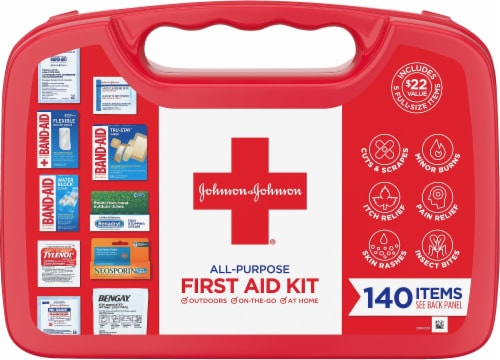
When someone gets hurt, having basic first aid supplies close at hand can make it easier to respond while you arrange appropriate medical care. If you’re searching for “first aid supplies near me,” start with nearby pharmacies, grocery stores, big-box retailers, hardware stores, and outdoor or camping shops. Many offer ready-made first aid kits as well as individual items for restocking.
Where to Find First Aid Supplies Nearby
- Pharmacies: A convenient place to find bandages, gauze, antiseptic products, and other everyday first aid items.
- Grocery and big-box stores: These often carry basic kits and household medical supplies.
- Hardware and home-improvement stores: Look for kits designed for cars, workplaces, or larger households.
- Outdoor and camping stores: These may stock compact, durable kits for hiking, travel, and outdoor activities.
- Online retailers: Online shopping can offer a wider selection, but check delivery times if you need supplies soon.
Check a store’s website or call ahead to confirm that the items you need are in stock. Search results can also help you compare nearby locations, hours, and pickup options.
What Should a First Aid Kit Include?
The right supplies depend on where the kit will be kept and who may use it. A useful basic kit may include:
- Adhesive bandages in several sizes
- Sterile gauze pads and roller bandages
- Medical tape
- Antiseptic wipes or another suitable wound-cleaning product
- Disposable gloves
- Scissors and tweezers
- A digital thermometer
- A cold pack
- A first aid guide
- Any personal medications or supplies recommended by a healthcare professional
For a car, workplace, or outdoor kit, consider the setting and the number of people who may need it. Keep supplies in a clean, dry, easy-to-reach place, and check expiration dates and package condition regularly.
Choosing a Ready-Made Kit
Before buying a kit, consider its intended use, contents, storage case, and ease of restocking. A compact travel kit may work well for a backpack or glove compartment, while a household kit may need more supplies and a clearly organized container. Read the item list rather than relying only on the kit’s size or label.
If you care for children, older adults, or someone with a specific medical need, ask a healthcare professional which additional supplies are appropriate. Store medicines safely and follow their labels and professional guidance.
When First Aid Isn’t Enough
First aid supplies are not a substitute for professional medical care. Call 911 for a life-threatening emergency, such as severe bleeding, trouble breathing, loss of consciousness, or a serious injury. If you’re unsure how to respond, contact emergency services or a qualified medical professional for guidance.
Be Ready Before You Need It
Finding first aid supplies near you is easier when you know what your household, vehicle, or workplace needs. Choose a kit that fits the setting, add any appropriate personal supplies, and check it regularly so it’s ready when needed.
9 Tips for Finding First Aid Supplies Near You
- Search “first aid supplies near me” in a maps app.
- Check nearby pharmacies for basic first aid kits.
- Try big-box stores for bandages and antiseptics.
- Call ahead to confirm supplies are in stock.
- Look for 24-hour pharmacies for urgent needs.
- Check hardware stores for workplace first aid kits.
- Compare kit contents before buying.
- Choose supplies suited to your home or workplace.
- Call emergency services for serious injuries.
Search “first aid supplies near me” in a maps app.
Search “first aid supplies near me” in a maps app to quickly find nearby pharmacies, grocery stores, and medical supply shops. Check store hours, directions, and recent reviews, then call ahead or check the store’s website to confirm the supplies you need are in stock before heading out.
Check nearby pharmacies for basic first aid kits.
Check nearby pharmacies for basic first aid kits when you need supplies quickly. Many carry essentials like adhesive bandages, gauze, antiseptic wipes, and disposable gloves, and some offer kits in different sizes for home, travel, or the car. Call ahead or check the pharmacy’s website to confirm availability and store hours.
Try big-box stores for bandages and antiseptics.
Big-box stores are a convenient place to look for everyday first aid supplies near you. Many carry bandages in different sizes, antiseptic wipes, gauze, and ready-made kits in their pharmacy or personal-care aisles. Check the store’s website or call ahead to confirm availability, especially if you need a particular item.
Call ahead to confirm supplies are in stock.
Before heading to a nearby pharmacy or store, call ahead to confirm the first aid supplies you need are in stock. Availability can vary by location, and checking first can save you a trip—especially if you’re looking for specific items such as gauze, antiseptic wipes, or a ready-made first aid kit.
Look for 24-hour pharmacies for urgent needs.
For urgent needs, look for a nearby 24-hour pharmacy where you can pick up basic first aid supplies—such as bandages, gauze, antiseptic wipes, or pain relievers—outside regular store hours. Check the pharmacy’s current hours and product availability online or by phone before heading out, since hours and stock can change. A pharmacy visit is not a substitute for emergency care; call 911 for life-threatening injuries.
Check hardware stores for workplace first aid kits.
Check nearby hardware stores for workplace first aid kits, which may include a broader range of supplies than basic home kits. Before purchasing, review the contents to make sure the kit suits your workplace size and needs, and confirm that essential items are included and unexpired.
Compare kit contents before buying.
Compare the contents of first aid kits before buying rather than choosing based on price or size alone. Check that the kit includes the supplies you’re most likely to need—such as bandages in different sizes, gauze, medical tape, gloves, and wound-cleaning products—and note whether items are individually sealed and easy to replace. Choose a kit suited to its location, whether it’s for your home, car, workplace, or outdoor activities, and make sure any special needs are covered.
Choose supplies suited to your home or workplace.
Choose first aid supplies that fit the needs of your home or workplace. A household kit might include bandages in different sizes, gauze, gloves, and a thermometer, while a workplace kit may need extra supplies based on the number of people, the work environment, and any potential hazards. Consider children’s or employees’ specific needs, store supplies in a clearly marked, easy-to-reach place, and check the kit regularly to replace used or expired items.
Call emergency services for serious injuries.
Call emergency services right away for serious injuries, such as heavy bleeding, difficulty breathing, loss of consciousness, or a suspected head, neck, or spine injury. While help is on the way, follow the dispatcher’s instructions and use nearby first aid supplies only if it’s safe to do so. Don’t move someone with a potentially serious injury unless they’re in immediate danger.