Truck First Aid Kit: What to Carry and How to Keep It Ready
A well-stocked first aid kit is a practical safety essential for truck drivers. Whether you drive locally, travel long distances, work at a jobsite, or use your truck for recreation, having basic medical supplies within reach can help you respond to minor injuries while you wait for professional care. A kit should be easy to find, protected from heat and moisture, and suited to the people and activities in your truck.
Why Keep a First Aid Kit in Your Truck?
Truck trips can take you far from stores and medical facilities. Small problems such as cuts, scrapes, blisters, or minor burns may happen on the road or while loading cargo. A first aid kit lets you address these situations promptly and provides useful supplies while waiting for emergency responders in a more serious incident.
A first aid kit is not a replacement for emergency services or professional medical care. For severe bleeding, trouble breathing, suspected spinal injuries, serious burns, or other life-threatening emergencies, call 911 and follow the dispatcher’s instructions.
What to Include in a Truck First Aid Kit
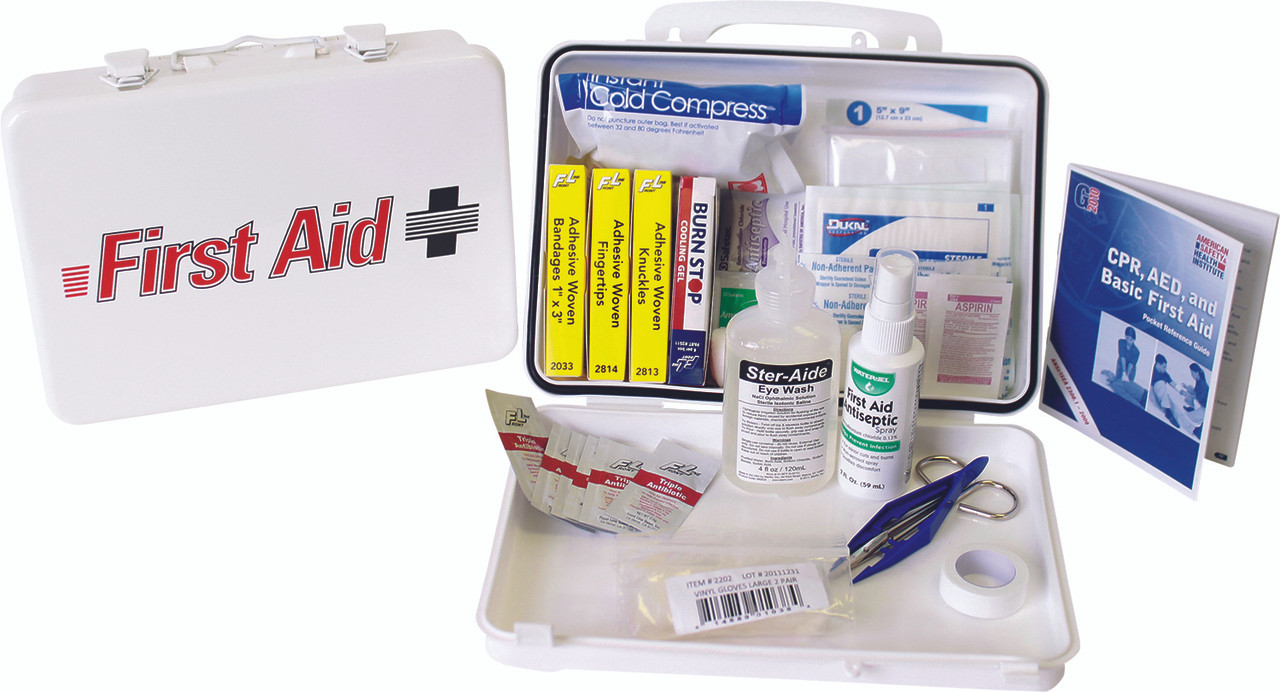
Choose a kit that covers basic first aid and add supplies based on your routes, passengers, work, and health needs. A useful starting point includes:
- Adhesive bandages in assorted sizes
- Sterile gauze pads and roller bandages
- Medical tape
- Antiseptic wipes or another appropriate wound-cleaning supply
- Disposable nitrile gloves
- Small scissors and tweezers
- Instant cold pack
- First aid guide with clear, basic instructions
- Emergency blanket
- CPR face shield or breathing barrier
- Saline eyewash, especially for work involving dust or debris
- Burn dressings or sterile nonstick pads
Consider adding personal medications or medical supplies that you may need while traveling. Keep prescription medicines in their original packaging when possible, follow storage instructions, and check expiration dates. Do not share medications, and do not include medicines for other people unless you understand their needs and have appropriate guidance.
Choose a Kit for Your Truck and Routine
There is no single kit that suits every driver. A commuter may need a compact kit for minor injuries, while a commercial driver, contractor, or outdoor enthusiast may benefit from a larger kit with additional dressings and protective supplies.
When selecting a kit, look for:
- Durable packaging: A sturdy, clearly labeled case helps protect supplies from dust and damage.
- Easy access: Choose a location that is reachable without unpacking cargo or climbing over equipment.
- Clear organization: Compartments and labels make supplies easier to find under stress.
- Appropriate contents: Check that the kit includes supplies you know how to use and can replenish.
- Suitable size: Make sure it fits securely and does not become a loose object during sudden braking.
Where to Store It
Store the kit in a secure, easy-to-reach location, such as a cab storage compartment or a properly secured case behind a seat. Avoid placing it beneath heavy cargo or in a spot that may be blocked after loading. Let regular passengers or coworkers know where it is.
Temperature changes can affect some supplies and medications. A truck parked in direct sun may become very hot, while winter conditions can bring freezing temperatures. Follow the manufacturer’s storage directions, and avoid leaving temperature-sensitive items in the vehicle if the conditions are outside their recommended range.
Check and Restock the Kit
A first aid kit is useful only if its contents are clean, intact, and ready to use. Review it every few months and after any use. Replace expired products, damaged packaging, or supplies that have been exposed to moisture, dirt, or extreme temperatures. Restock items as soon as they are used rather than waiting until the next scheduled check.
It can help to keep a short inventory inside the case. That makes it easier to see what is missing and to check expiration dates. Include any personal medical supplies in your regular vehicle-preparation routine.
Know How to Use the Supplies
Before an emergency, take time to read the kit’s instructions and learn basic first aid. Consider taking a recognized first aid and CPR course. Training can help you stay calm, recognize when an injury needs urgent care, and use supplies more confidently.
In an incident near traffic, put safety first. If it is safe to do so, move away from traffic, use hazard lights, and call 911 when needed. Avoid putting yourself or others in additional danger while trying to provide aid.
Commercial Truck Requirements
Rules for commercial vehicles and workplace first aid supplies may depend on the vehicle, employer, worksite, and applicable federal or state regulations. A personal first aid kit should not be assumed to meet every requirement. Commercial drivers and fleet operators should check current guidance from the relevant agencies and their employer’s safety policies.
Make the Kit Part of Your Road-Ready Plan
A truck first aid kit works best as part of a broader safety setup that may also include a charged phone, emergency contact information, a flashlight, reflective warning devices, drinking water, and vehicle-specific emergency equipment. Keep the kit accessible, check it regularly, and make sure the people who ride in your truck know where it is.
Essential First Aid and Emergency Kits for Trucks: Answers to Your Top Questions
- What is the best first aid kit for a car?
- Does OSHA require first aid kits in company vehicles?
- What is AAA roadside kit?
- What emergency equipment must be in your truck?
What is the best first aid kit for a car?
The best first aid kit for a car is one that’s easy to reach, securely stored, and stocked for the people and trips you take. Look for a clearly organized kit with assorted bandages, gauze, medical tape, antiseptic wipes, disposable gloves, scissors, tweezers, and a first aid guide. Add any personal medical supplies you may need, and check the contents regularly to replace used, damaged, or expired items. For long-distance travel, work, or outdoor trips, consider a larger kit, and make sure everyone knows where it’s stored.
Does OSHA require first aid kits in company vehicles?
OSHA does not have a blanket rule requiring a first aid kit in every company vehicle. However, employers must ensure appropriate first aid supplies are readily available when required by workplace conditions; OSHA’s general-industry standard also addresses trained first-aid personnel when medical care is not in near proximity. Requirements can vary by industry and worksite, so employers should check the applicable OSHA standards and consider keeping a stocked, accessible kit in vehicles used for work.
What is AAA roadside kit?
An AAA roadside kit is an emergency-supply kit sold or recommended by the American Automobile Association (AAA) for use during vehicle breakdowns and other roadside emergencies. Depending on the version, it may include items such as jumper cables, a flashlight, reflective warning devices, basic tools, gloves, and a first aid kit. Contents vary, so check the product list before buying and add any supplies needed for your truck, passengers, or regular routes. A roadside kit can complement a truck first aid kit, but it does not replace calling 911 for a serious injury or emergency.
What emergency equipment must be in your truck?
In the U.S., required equipment depends on whether you drive a personal or commercial truck and on applicable state rules. For most trucks subject to Federal Motor Carrier Safety Administration regulations, required emergency equipment includes a properly rated, securely mounted fire extinguisher, three approved reflective warning triangles (or permitted alternatives), and spare fuses if the vehicle uses fuses rather than circuit breakers. A first aid kit, flashlight, phone charger, and roadside tools are also useful, but they generally are not federal equipment requirements. Check current regulations and your employer’s policies for your specific truck.