IFAK First Aid Kit: What It Is and How to Prepare One
An IFAK, or Individual First Aid Kit, is a compact emergency kit designed to help one person provide immediate care for serious injuries while professional help is on the way. IFAKs are often used by military personnel, first responders, outdoor enthusiasts, and people who want to be prepared for emergencies at home, in a vehicle, or at work.
An IFAK is not a replacement for professional medical care. Its purpose is to provide basic supplies for urgent situations, such as severe bleeding or an injury that affects breathing, until emergency responders can take over.
What Should an IFAK Include?
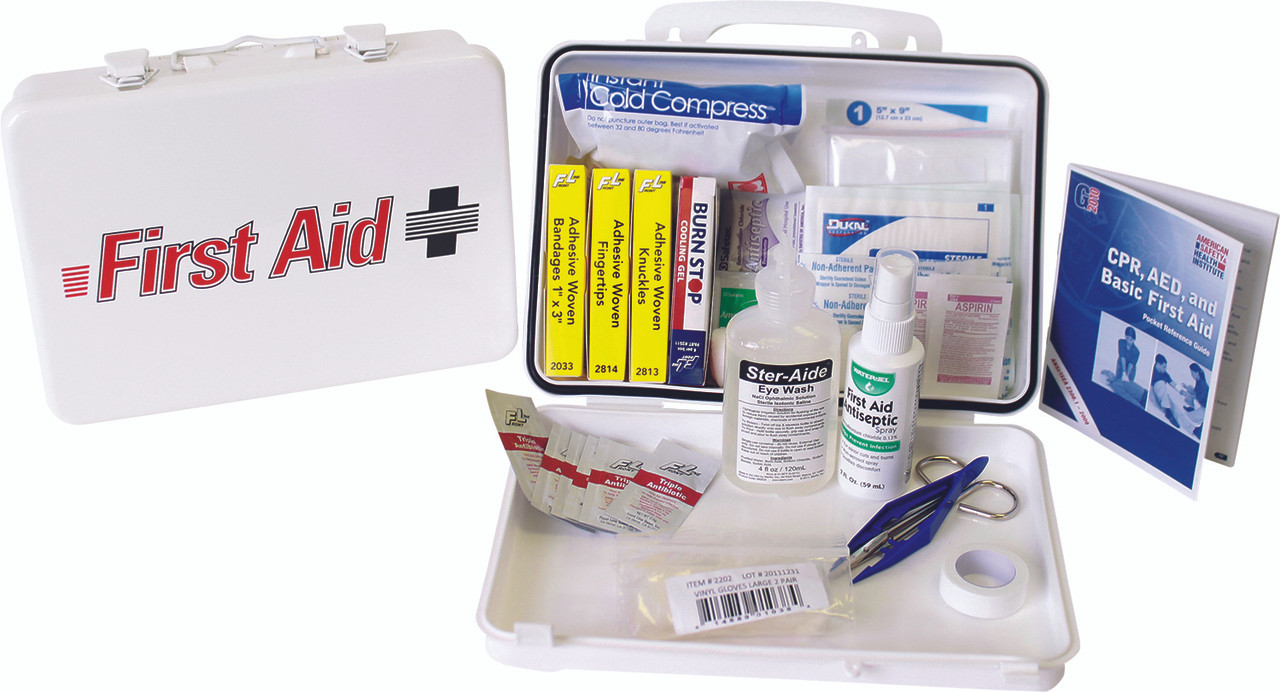
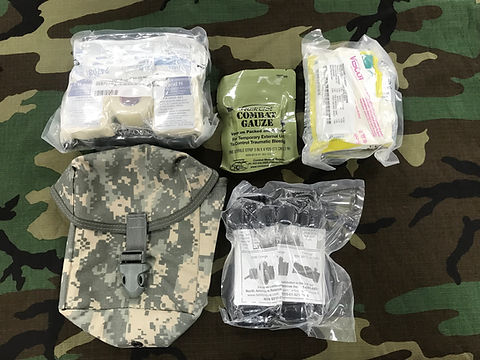
The right contents depend on your needs, training, and where you plan to keep the kit. A general-purpose IFAK may include:
- Protective gloves: Nitrile gloves help reduce contact with blood and other bodily fluids.
- Trauma shears: These can help cut clothing to expose an injury.
- Emergency dressing or pressure bandage: Used to apply pressure to a wound.
- Gauze: Sterile gauze can be used for wound coverage or, when appropriate and when the user is trained, wound packing.
- Tourniquet: A commercial tourniquet may be used for life-threatening bleeding from an arm or leg. Learn how to use it before an emergency.
- Medical tape: Useful for securing dressings.
- Trauma shears and a marker: A marker can be used to note the time a tourniquet was applied.
- CPR face shield: A barrier device can help when providing rescue breaths.
- Emergency blanket: Helps reduce heat loss while waiting for help.
- Personal medications and emergency information: Include only items appropriate for the intended user, and keep medical information current.
Some kits also contain hemostatic gauze, which is designed to help control severe bleeding. Use it only as directed and after learning the appropriate technique. Avoid adding equipment you do not know how to use.
Training Matters
Having an IFAK is only part of being prepared. Training helps you recognize an emergency, choose the right supplies, and use them safely. Consider taking a first aid and CPR course, as well as a bleeding-control course from a reputable provider. Read the instructions that come with your equipment and practice with training supplies when possible.
In a life-threatening emergency, call 911 as soon as you can. Follow the dispatcher’s instructions, use only the care you are trained to provide, and do not remove an embedded object or attempt treatment beyond your training.
Choosing and Storing an IFAK
Choose a kit that is easy to find and carry. A clearly marked pouch can help you locate it quickly, but keep it secured so children cannot access potentially dangerous items. If you keep kits in multiple locations, such as your home and vehicle, make sure each one is protected from excessive heat, moisture, and damage.
Check your kit regularly. Replace expired, opened, damaged, or contaminated supplies, and restock anything used. Make sure the contents match your current needs and that everyone who may use the kit knows where it is stored.
IFAKs and Flood Preparedness
Floods can cause injuries from debris, falls, damaged buildings, and cleanup work. A compact first aid kit can be useful in an emergency bag, but it should be only one part of a broader preparedness plan. Store it with other essentials, such as drinking water, medications, a flashlight, batteries, and important contact information. After a flood, avoid entering damaged buildings or floodwater when it is unsafe, and seek professional help for serious injuries.
Be Prepared, Not Overconfident
A well-maintained IFAK can help you respond during the first moments of an emergency, but it cannot replace emergency services or medical training. Choose supplies suited to your situation, learn how to use them, and call 911 for serious injuries.
8 Essential Tips for Building and Maintaining an Effective IFAK First Aid Kit
- Choose an IFAK suited to your activities and training.
- Learn how to use every item before an emergency.
- Check contents regularly and replace expired or damaged supplies.
- Store the kit somewhere accessible and clearly marked.
- Pack gloves and basic bleeding-control supplies.
- Keep medications in original packaging when practical.
- Protect the kit from moisture, heat, and dirt.
- Get hands-on first-aid training and follow local guidance.
Choose an IFAK suited to your activities and training.
Choose an IFAK that fits the activities you do and the level of care you’re trained to provide. A kit for hiking, driving, or work may need different supplies, so consider where you’ll use it, how easy it is to carry, and the emergencies you may encounter. Include only items you know how to use, and take a first aid or bleeding-control course before relying on specialized equipment.
Learn how to use every item before an emergency.
Before an emergency, take time to learn what every item in your IFAK is for and how to use it safely. Read the instructions, practice with training supplies, and consider taking a first aid or bleeding-control course. Familiarity can help you respond more calmly and avoid using equipment incorrectly when every moment matters.
Check contents regularly and replace expired or damaged supplies.
Check your IFAK regularly to make sure its supplies are ready when you need them. Replace anything that is expired, damaged, opened, or contaminated, and restock items used during an emergency. Keep the kit dry and protected from heat, and make sure everyone who may need it knows where it is stored.
Store the kit somewhere accessible and clearly marked.
Store your IFAK in a place that’s easy to reach in an emergency, and clearly mark it so others can find it quickly. Avoid burying it under other supplies or keeping it in a locked location that could delay access. If you carry the kit in a vehicle, backpack, or emergency bag, make sure everyone who may need it knows where it is and how to recognize it.
Pack gloves and basic bleeding-control supplies.
Pack disposable nitrile gloves and basic bleeding-control supplies in your IFAK, such as sterile gauze, a pressure dressing, medical tape, and a commercial tourniquet. Gloves help reduce contact with blood, while these supplies can support immediate care for bleeding until professional help arrives. Learn how to use each item before an emergency, and call 911 for severe or life-threatening injuries.
Keep medications in original packaging when practical.
Keep medications in their original packaging when practical. The label helps identify the medication, strength, expiration date, and directions for use—details that can be important during an emergency. Store medicines securely, protect them from heat and moisture, and check them regularly for expiration or damage. Don’t include prescription medications for someone else or use any medication unless it’s appropriate and you know how to take it safely.
Protect the kit from moisture, heat, and dirt.
Store your IFAK in a clean, dry place away from excessive heat and direct sunlight, which can damage supplies or shorten their shelf life. Keep the kit in a sealed, water-resistant pouch to help protect it from moisture, dust, and dirt, especially in a vehicle or outdoor setting. Check it regularly for dampness, contamination, or damaged packaging, and replace any affected items promptly.
Get hands-on first-aid training and follow local guidance.
Hands-on first-aid training helps you use an IFAK safely and confidently when every moment matters. Take courses from a reputable provider, practice with training equipment, and refresh your skills regularly—especially for procedures such as controlling severe bleeding. Follow local emergency guidance and applicable laws, call 911 for serious injuries, and provide only the care you’re trained to give.