How to Build a Survival Medical Kit
A survival medical kit can help you handle minor injuries and provide basic care while you wait for professional help. It is useful at home, in a vehicle, at a worksite, or during outdoor activities. The right kit depends on who will use it, where it will be stored, and how long help might take to arrive.
A kit is not a substitute for medical training or emergency services. For a life-threatening injury or illness, call 911 as soon as it is safe to do so.
Start with the Essentials
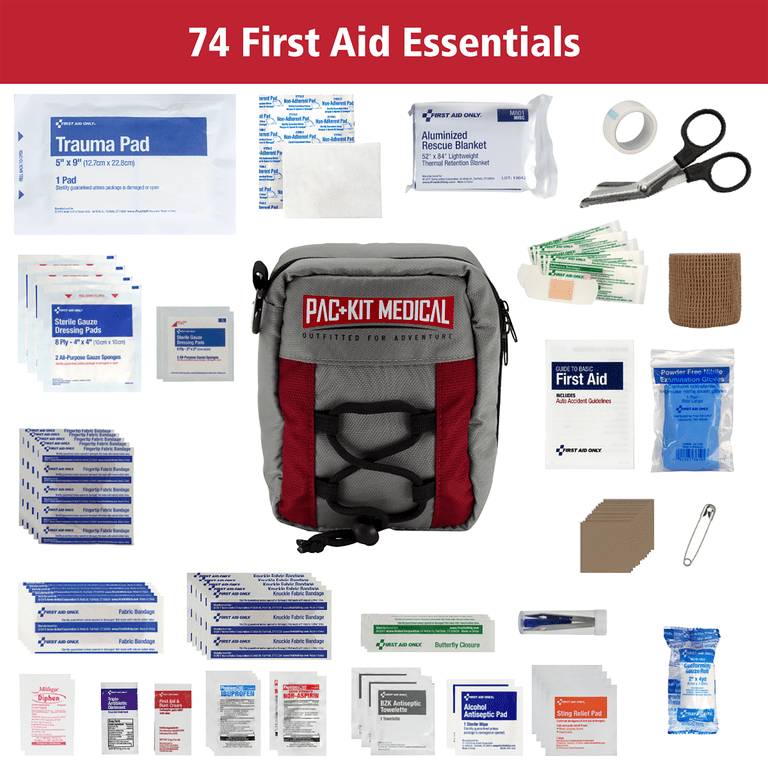
A practical kit should cover basic wound care, personal protection, common minor complaints, and simple emergencies. Consider including:
- Protective supplies: Disposable nitrile gloves, hand sanitizer, and a CPR face shield.
- Wound care: Adhesive bandages in assorted sizes, sterile gauze pads, rolled gauze, medical tape, and nonstick dressings.
- Cleaning supplies: Sterile saline or clean water for rinsing wounds, antiseptic wipes, and clean cloths.
- Basic tools: Blunt-tip scissors, tweezers, a digital thermometer, and a small flashlight with spare batteries.
- Support items: An elastic bandage, triangular bandage, and instant cold pack.
- Emergency information: A first-aid guide, emergency contacts, and a written list of allergies and important medical conditions for household members.
Choose products that you know how to use. A tourniquet or other specialized equipment can be valuable in certain situations, but it should be included only if someone has appropriate training and understands its use.
Include Personal Medications and Needs
Generic kits rarely account for individual health needs. Add supplies for anyone who may rely on the kit, such as prescribed medication, an epinephrine auto-injector, glucose supplies, or inhalers. Keep medication in its original packaging when practical, and follow the prescriber’s and manufacturer’s storage instructions.
For children, older adults, and people with disabilities or chronic conditions, check that supplies are appropriate for their age and needs. Do not put prescription medication into a shared kit without a clear plan for identifying the person and following the prescription instructions.
Keep the Kit Organized and Accessible
Store supplies in a durable, water-resistant container. Use labeled pouches or compartments so items can be found quickly, and keep a simple inventory inside the lid. A home kit should be easy for household members to reach, while a vehicle or travel kit should be secured but accessible.
Heat, freezing temperatures, moisture, and direct sunlight can damage some supplies and medications. Check the storage instructions on each product, especially for temperature-sensitive items. In a vehicle, inspect the kit more often because cabin temperatures can fluctuate widely.
Inspect and Restock Regularly
Review the kit at least every six months and after each use. Replace expired or damaged products, replenish anything that is missing, and check batteries and packaging. Update contact details and personal medical information when they change.
It can help to keep a small checklist with the kit. That makes routine inspections quicker and reduces the chance that essential items will be overlooked.
Learn How to Use the Supplies
Supplies are most useful when people know how to use them. Consider taking a first-aid and CPR course from a recognized provider, and review the instructions that come with the kit. Practice locating key items so they can be found under pressure.
For serious bleeding, breathing problems, signs of a stroke, severe allergic reactions, or other urgent symptoms, call 911. Follow the dispatcher’s instructions and provide care only within the limits of your training.
Build a Kit for the Situation
A household kit may need supplies for several people, while a hiking kit should be compact and suited to the route, weather, and time before help may be available. A workplace kit should reflect the hazards present and comply with applicable safety requirements. For flood or storm preparation, protect medical supplies from water and keep essential medications and health information in a grab-and-go bag.
The best survival medical kit is one that is suited to its users, kept in good condition, and paired with basic first-aid knowledge. A little planning can make it easier to respond calmly and safely when an injury or illness occurs.
9 Benefits of a Survival Medical Kit for Everyday Safety and Emergency Preparedness
- Helps treat minor injuries quickly.
- Keeps essential first-aid supplies in one place.
- Supports care while waiting for emergency responders.
- Useful at home, in vehicles, and outdoors.
- Can be tailored to personal medical needs.
- Encourages emergency preparedness.
- Makes supplies easier to find under stress.
- Helps protect caregivers with gloves and other barriers.
- Can support safer travel and outdoor activities.
5 Drawbacks of a Survival Medical Kit
- Can be expensive to assemble and restock.
- Supplies may expire or degrade over time.
- A kit cannot replace professional medical care.
- Specialized tools require proper training.
- Bulky kits may be hard to carry.
Helps treat minor injuries quickly.
A survival medical kit helps you treat minor injuries quickly, whether you’re dealing with a small cut, scrape, blister, or splinter. Having essentials like bandages, gauze, antiseptic wipes, and tweezers close at hand lets you clean and protect an injury without searching for supplies, reducing discomfort and helping prevent the problem from getting worse while you decide whether additional care is needed.
Keeps essential first-aid supplies in one place.
A survival medical kit keeps essential first-aid supplies together in one easy-to-find place, so you can quickly locate items such as bandages, gauze, gloves, and antiseptic wipes when an injury occurs. Keeping supplies organized and ready can save valuable time in an emergency and make it easier to check what needs to be restocked.
Supports care while waiting for emergency responders.
A survival medical kit can help you provide basic care while waiting for emergency responders to arrive. Supplies such as gloves, gauze, bandages, and a CPR face shield can support simple first-aid measures and help keep the situation safer. Use only items you know how to handle, call 911 for serious injuries or symptoms, and follow the dispatcher’s instructions until help arrives.
Useful at home, in vehicles, and outdoors.
A survival medical kit is useful wherever everyday emergencies may happen—at home, in a vehicle, or outdoors. Keep one in a convenient spot at home, store a compact kit in your car for road trips and unexpected delays, and bring a portable version on hikes, camping trips, or other outdoor adventures. Having basic first-aid supplies nearby can help you respond to minor injuries while you arrange professional care if needed.
Can be tailored to personal medical needs.
A survival medical kit can be tailored to the specific needs of the people who may use it, making it more practical than a one-size-fits-all kit. You can include prescribed medications, allergy treatments, glucose supplies, or other essentials for chronic conditions, as well as child- or age-appropriate items. Be sure to follow storage instructions, check expiration dates regularly, and keep personal medical information easy to find.
Encourages emergency preparedness.
A survival medical kit encourages emergency preparedness by prompting people to think ahead about injuries, health needs, and supplies they may need when professional help is delayed. Assembling and checking a kit can also inspire families to make an emergency plan, keep important medical information handy, and learn basic first aid—small steps that can make it easier to respond calmly during a crisis.
Makes supplies easier to find under stress.
A well-organized survival medical kit makes supplies easier to find under stress, when every second can feel critical. Clearly labeled compartments keep items such as bandages, gloves, and medications in predictable places, so you can focus on providing care instead of searching through a cluttered bag.
Helps protect caregivers with gloves and other barriers.
A survival medical kit helps protect caregivers by including disposable gloves and other barriers, such as CPR face shields. These supplies can reduce direct contact with blood, bodily fluids, and other potentially infectious materials while care is provided. Use barriers as directed, replace them after each use, and wash or sanitize hands when possible.
Can support safer travel and outdoor activities.
A survival medical kit can help make travel and outdoor activities safer by keeping basic first-aid supplies close at hand. Whether you’re hiking a remote trail, camping, or taking a long road trip, items like bandages, gauze, antiseptic wipes, and gloves can help you respond to minor cuts, blisters, or scrapes before they get worse. A well-stocked kit won’t replace professional care, but it can provide useful support while you arrange help or get to a medical facility.
Can be expensive to assemble and restock.
A survival medical kit can be expensive to assemble and restock, especially when it needs to cover several people or include specialized supplies and personal medications. Items such as sterile dressings, protective equipment, and temperature-sensitive medicines may need to be replaced after use or when they expire. Planning a budget, starting with essential supplies, and checking the kit regularly can help spread out costs and reduce waste.
Supplies may expire or degrade over time.
One drawback of a survival medical kit is that its supplies may expire or degrade over time. Medications can lose effectiveness, while heat, moisture, or damaged packaging can make bandages, antiseptics, and other items less reliable. Check the kit regularly, follow storage instructions, and replace expired or damaged supplies so it is ready when needed.
A kit cannot replace professional medical care.
A survival medical kit can help with basic first aid, but it cannot replace professional medical care. Serious injuries, severe allergic reactions, breathing problems, and other medical emergencies may require trained responders, specialized equipment, or prescription treatment. Use the kit only for care you are trained to provide, and call 911 or seek medical attention promptly when needed.
Specialized tools require proper training.
Specialized tools in a survival medical kit can be helpful, but they may cause harm if used incorrectly. Items such as tourniquets, airway devices, and trauma shears require proper instruction and practice, so include them only if someone knows how to use them safely. Without training, it is better to focus on basic first-aid supplies and contact emergency services for serious injuries.
Bulky kits may be hard to carry.
Bulky survival medical kits can be difficult to carry, especially during hikes, evacuations, or other situations where mobility matters. A large kit may take up valuable space in a backpack or vehicle and add weight when every item needs to be carried. Choosing compact, multipurpose supplies and tailoring the kit to the trip can help balance portability with preparedness.