What to Include in an Emergency Kit
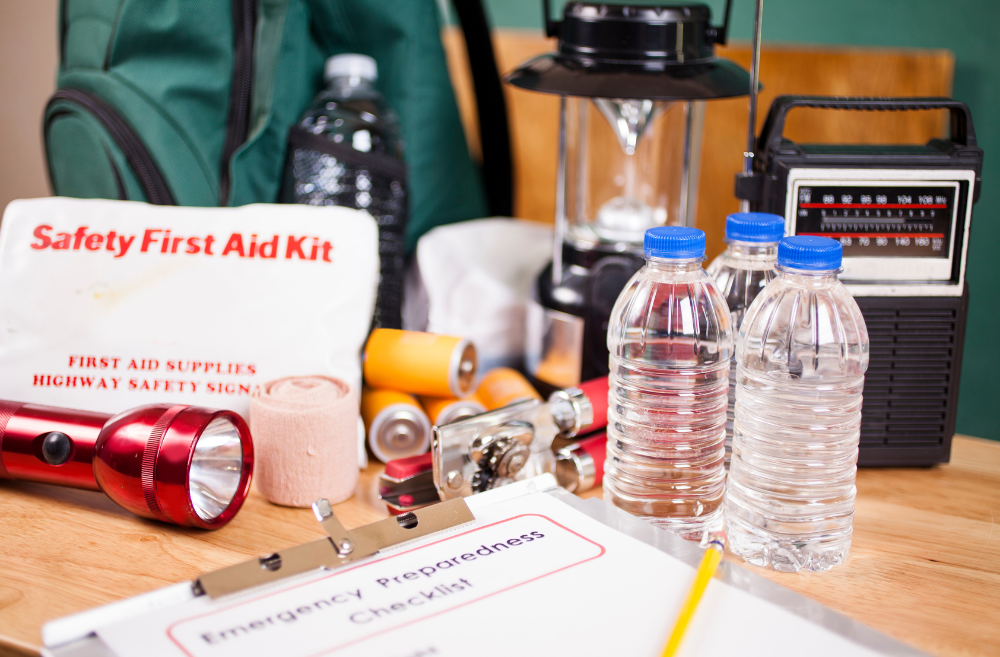
An emergency kit can help you and your household manage during a storm, flood, power outage, or other disaster. In Texas, flooding can happen quickly, so keep supplies together in a place that is easy to reach and be prepared to take them with you if you need to evacuate.
Water and Food
- Drinking water: Store at least one gallon per person per day for at least three days. You may need more in hot weather or for medical needs.
- Nonperishable food: Pack at least a three-day supply of ready-to-eat food, such as canned goods, protein bars, and dried fruit.
- Manual can opener: Include one if your food requires it.
- Food for infants or people with dietary needs: Pack suitable formula, baby food, or other necessary items.
First Aid and Health Supplies
- A well-stocked first aid kit and a first aid guide
- Prescription medicines and copies of prescriptions
- Over-the-counter pain relievers and other commonly needed medicines
- Glasses, contact lenses, hearing-aid supplies, or other personal medical items
- Hand sanitizer, disinfecting wipes, soap, and face masks
Keep medicines in their original packaging when possible, and check expiration dates regularly. If someone in your household relies on powered medical equipment, ask their healthcare provider or utility company about backup-power options.
Lighting, Communication, and Power
- Flashlights or headlamps and extra batteries
- A battery-powered or hand-crank weather radio
- A fully charged power bank and charging cables
- Portable chargers or backup batteries for essential devices
- A whistle to signal for help
Store batteries safely and test your radio and flashlights from time to time. Keep phones charged when severe weather is forecast, and save important emergency contacts in more than one place.
Clothing and Personal Items
- A change of clothing and sturdy shoes for each person
- Rain gear and warm layers suited to the season
- Blankets or sleeping bags
- Personal hygiene supplies, including toilet paper and menstrual products
- Work gloves and basic tools, such as a wrench or pliers
- Local maps, in case navigation services are unavailable
Documents, Cash, and Important Information
Place copies of identification, insurance policies, medical information, and other important records in a waterproof bag or container. Keep a list of emergency contacts and household meeting locations with the documents. A small amount of cash can also be useful if card readers or ATMs are unavailable.
Flood-Specific Supplies
For flood preparedness, consider adding waterproof bags for phones and documents, a portable phone charger, and supplies for safely cleaning up after floodwater recedes. Never walk, swim, or drive through floodwater. It can be deeper or faster-moving than it appears, and may hide hazards. Follow evacuation instructions from local officials and use designated routes.
Supplies for Children and Pets
Pack diapers, wipes, comfort items, and age-appropriate activities for children. For pets, include food, water, medications, a leash or carrier, waste bags, and vaccination records. Make sure pets have identification, and check ahead to learn which shelters or lodging options accept them.
Store and Maintain Your Kit
Keep your emergency supplies in a sturdy, portable container in a location everyone in the household knows. If you may need to evacuate, prepare a smaller go-bag with essentials you can carry easily. Review the kit at least twice a year, replace expired food and medicine, update clothing sizes, and adjust supplies for household members’ changing needs.
No kit can cover every situation, but having basic supplies ready can make an emergency easier to manage. For local alerts and instructions during a disaster, follow official guidance from emergency management agencies and public safety officials.
Emergency Kit Essentials: 8 Frequently Asked Questions About Must-Have Supplies
- What are 20 items in an emergency kit?
- What are the top 10 things to have in an emergency?
- What to buy in case of war?
- What should an emergency kit include?
- What are 10 important items in a first aid kit?
- What are 10 items in an emergency kit?
- What are 10 items in an emergency go bag?
- What are 10 items you need for an emergency kit?
What are 20 items in an emergency kit?
Twenty useful items for an emergency kit include drinking water, nonperishable food, a manual can opener, a first aid kit, prescription medications, a flashlight, extra batteries, a battery-powered or hand-crank radio, a charged power bank, a phone charger, a whistle, a dust mask, hand sanitizer, moist towelettes, toilet paper, a change of clothes, sturdy shoes, a blanket, cash, and copies of important documents in a waterproof bag. Adjust the list for your household’s needs, including supplies for children, pets, and medical conditions, and check the kit regularly to replace expired or used items.
What are the top 10 things to have in an emergency?
The top 10 things to have in an emergency kit are drinking water, nonperishable food, a first aid kit, prescription and essential over-the-counter medicines, a flashlight with extra batteries, a battery-powered or hand-crank weather radio, a charged power bank and phone cables, hygiene supplies, copies of important documents with some cash, and a change of clothes with sturdy shoes. Tailor your kit to your household’s needs, including supplies for children, pets, and anyone with medical requirements.
What to buy in case of war?
In case of war or another major emergency, buy practical supplies your household can use for several days: bottled water and shelf-stable food, prescription medicines and a first-aid kit, a flashlight, extra batteries, a battery-powered or hand-crank radio, a phone power bank, hygiene and sanitation supplies, sturdy clothing, and copies of important documents stored in a waterproof bag. Include cash, pet supplies, and any items needed by infants, older adults, or people with disabilities. Choose supplies based on your household’s needs, rotate food and medicines before they expire, and avoid panic-buying; follow local emergency instructions about sheltering, evacuation, and any additional protective equipment.
What should an emergency kit include?
An emergency kit should include enough drinking water and nonperishable food for each household member, a first aid kit, necessary medications, a flashlight with extra batteries, a weather radio, a phone charger or power bank, and basic hygiene supplies. Add a change of clothing, sturdy shoes, important documents in a waterproof bag, cash, and supplies for children, pets, or anyone with specific medical needs. Store the kit somewhere easy to reach, and check it regularly to replace expired or used items.
What are 10 important items in a first aid kit?
Ten important items in a first aid kit are assorted adhesive bandages, sterile gauze pads, medical tape, antiseptic wipes, antibiotic ointment, disposable gloves, scissors, tweezers, an instant cold pack, and a CPR face shield. Include a basic first aid guide, too, and check supplies regularly to replace anything used or expired.
What are 10 items in an emergency kit?
Ten essential items for an emergency kit are drinking water, nonperishable food, a first aid kit, prescription medications, a flashlight, extra batteries, a battery-powered or hand-crank weather radio, a charged phone power bank, personal hygiene supplies, and copies of important documents in a waterproof bag. Adjust the supplies for your household’s needs, including items for children, pets, and anyone with medical requirements.
What are 10 items in an emergency go bag?
A practical emergency go bag can include these 10 essentials: drinking water, ready-to-eat food, a flashlight, extra batteries, a battery-powered or hand-crank radio, a first-aid kit, prescription medications, copies of important documents in a waterproof bag, a cell phone with a power bank and charging cable, and a change of clothes with sturdy shoes. Adjust the supplies for your household’s needs, including items for children, pets, or medical conditions.
What are 10 items you need for an emergency kit?
Ten useful items for an emergency kit are drinking water, nonperishable food, a first aid kit, prescription medicines, a flashlight, extra batteries, a battery-powered or hand-crank weather radio, a phone charger or power bank, a manual can opener, and copies of important documents in a waterproof bag. Adjust supplies for your household’s needs, including items for children, pets, and medical conditions, and check expiration dates regularly.