The Importance of Having a Household First Aid Kit
Accidents can happen anytime, anywhere, even within the safety of our homes. That’s why having a well-equipped first aid kit readily available is essential for handling minor injuries and emergencies effectively.
Key Items to Include in Your Household First Aid Kit:
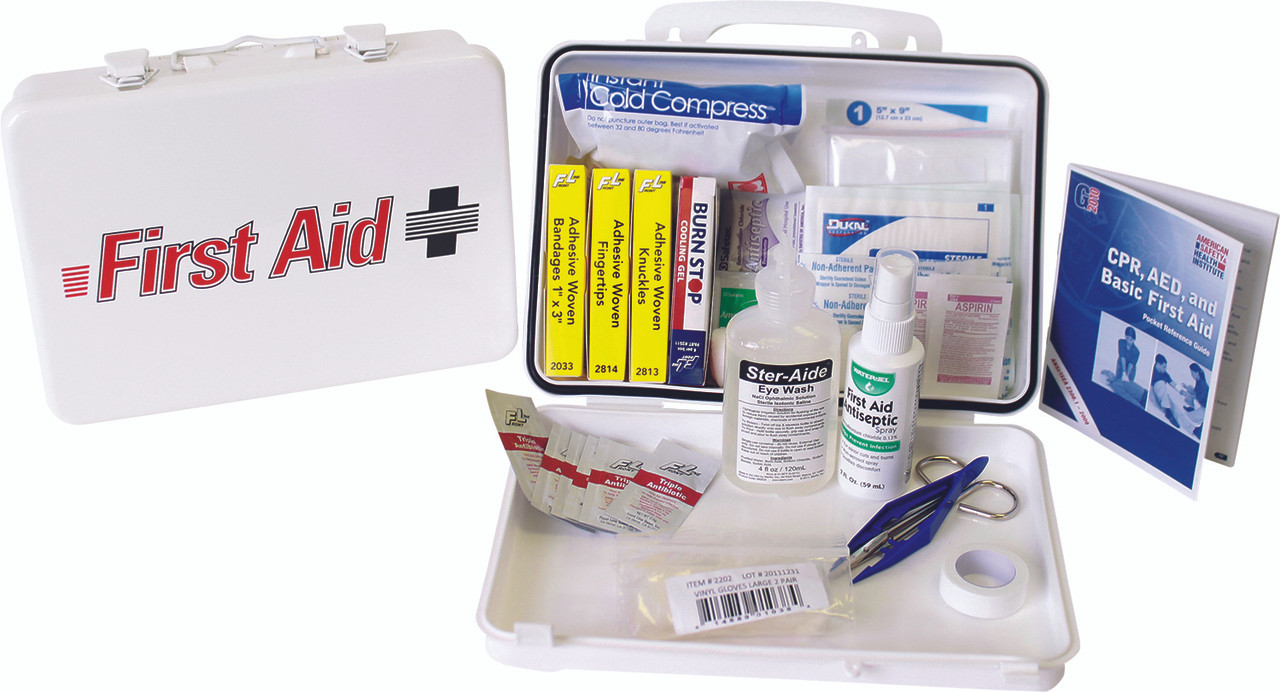
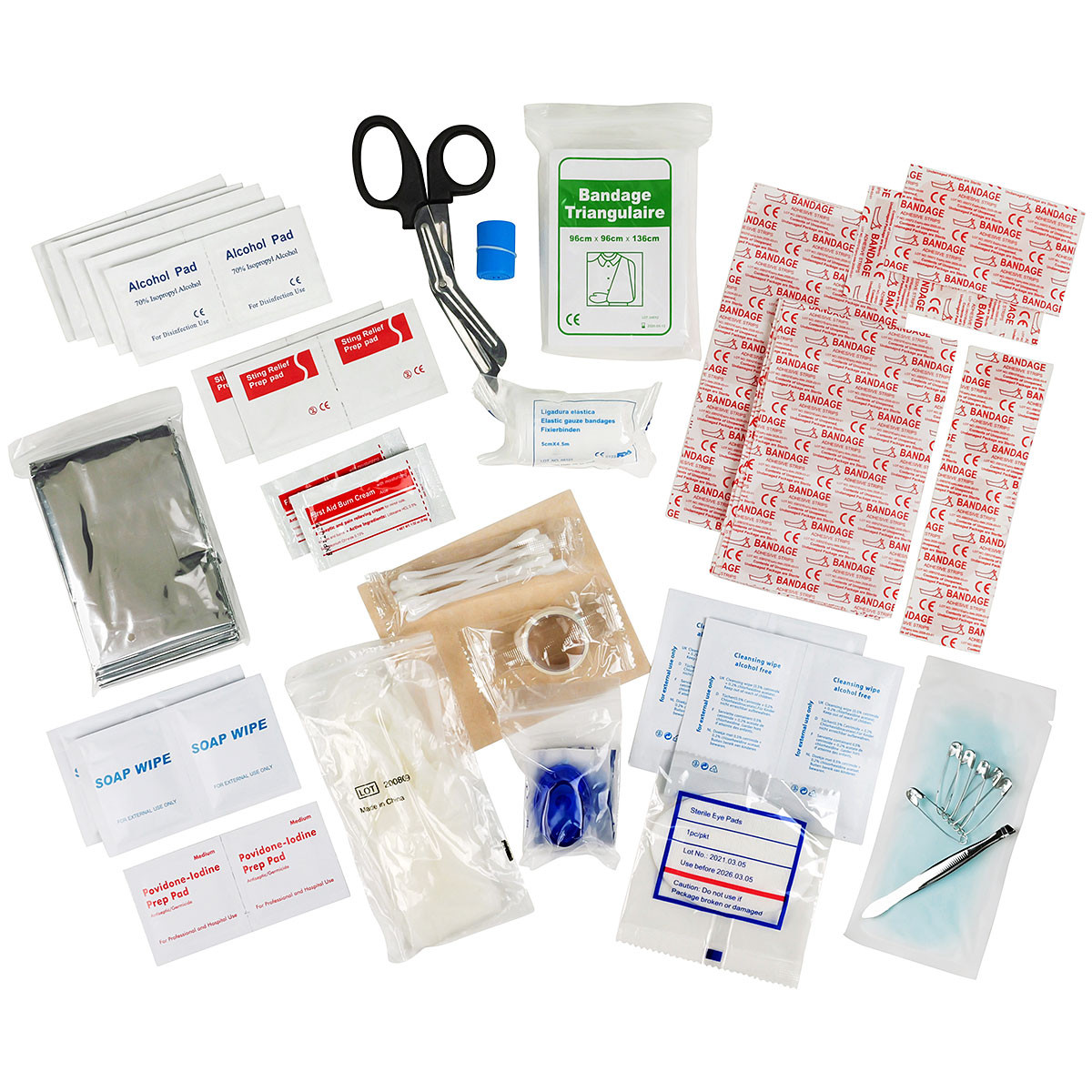
- Bandages and Adhesive Dressings: Various sizes of bandages to cover cuts and scrapes.
- Gauze Pads and Tape: For larger wounds that require more protection.
- Antiseptic Wipes or Solution: To clean and disinfect wounds to prevent infection.
- Tweezers and Scissors: For removing splinters or cutting bandages to size.
- Pain Relievers: Over-the-counter pain medications like acetaminophen or ibuprofen.
- Thermometer: To monitor body temperature in case of illness or fever.
- Gloves and Face Masks: For personal protection when providing first aid.
- Cold Pack: Instant cold packs for treating swelling or bruising.
- Emergency Contact Information: List of important phone numbers, including poison control and emergency services.
Tips for Maintaining Your First Aid Kit:
To ensure your household first aid kit is always ready for use, follow these tips:
- Check the expiration dates of medications and supplies regularly and replace them as needed.
- Keep your first aid kit in a designated, easily accessible location that is known to all family members.
- Familiarize yourself with the contents of the kit and how to use them properly in case of an emergency.
- Add any personal medications or specific items needed for family members with special medical conditions.
A well-prepared household first aid kit can make a significant difference in providing timely care during unexpected situations. By investing in this essential resource, you can help ensure the safety and well-being of your loved ones at home.
Essential Tips for Stocking and Maintaining Your Household First Aid Kit
- Include basic supplies such as bandages, gauze pads, adhesive tape, and antiseptic wipes.
- Add medications like pain relievers, antihistamines, and anti-diarrheal drugs.
- Include emergency contact numbers and a first aid manual for reference.
- Regularly check the kit for expired items and replace them as needed.
- Keep the kit in a cool, dry place out of reach of children but easily accessible to adults.
- Consider adding items specific to your family’s needs such as EpiPens for allergies or inhalers for asthma.
- Be familiar with how to use the items in the kit by taking a first aid course or reading up on basic first aid procedures.
Include basic supplies such as bandages, gauze pads, adhesive tape, and antiseptic wipes.
To effectively address minor injuries and emergencies at home, it is crucial to include basic supplies in your household first aid kit. Items such as bandages, gauze pads, adhesive tape, and antiseptic wipes are essential for providing immediate care for cuts, scrapes, and wounds. These supplies help in cleaning and dressing injuries properly to prevent infections and promote faster healing. By ensuring that your first aid kit is stocked with these fundamental items, you can be better prepared to handle common household accidents with confidence and efficiency.
Add medications like pain relievers, antihistamines, and anti-diarrheal drugs.
Including medications like pain relievers, antihistamines, and anti-diarrheal drugs in your household first aid kit is crucial for addressing common health issues quickly and effectively. Pain relievers can help alleviate discomfort from minor injuries or headaches, while antihistamines are essential for managing allergic reactions such as insect bites or seasonal allergies. Anti-diarrheal drugs can provide relief from stomach upset or food-related issues. Having these medications on hand ensures that you can respond promptly to various health concerns that may arise within your family or household.
Include emergency contact numbers and a first aid manual for reference.
It is crucial to include emergency contact numbers and a first aid manual in your household first aid kit. Having quick access to important phone numbers, such as emergency services and poison control, can be lifesaving during an urgent situation. Additionally, a first aid manual provides valuable guidance on how to administer basic medical care effectively. By including these essential resources in your kit, you can ensure that you are well-prepared to respond promptly and appropriately to any medical emergency that may arise within your home.
Regularly check the kit for expired items and replace them as needed.
Regularly inspecting your household first aid kit for expired items and promptly replacing them is crucial to ensure the effectiveness of the supplies in times of need. Expired medications or products may not provide the intended relief or treatment, potentially compromising the care you can offer during emergencies. By maintaining a vigilant eye on the contents of your first aid kit and keeping them up to date, you can be better prepared to handle unforeseen situations with confidence and efficiency.
Keep the kit in a cool, dry place out of reach of children but easily accessible to adults.
It is crucial to store your household first aid kit in a cool, dry place that is out of reach of children but easily accessible to adults. By keeping the kit in a secure location, you can prevent accidental misuse by children while ensuring that it is readily available for quick access during emergencies. Placing the first aid kit in a designated spot known to all family members helps promote safety and preparedness within the home.
Consider adding items specific to your family’s needs such as EpiPens for allergies or inhalers for asthma.
When assembling your household first aid kit, it is crucial to consider adding items tailored to your family’s specific medical needs. For individuals with allergies, including EpiPens can be life-saving in case of severe allergic reactions. Similarly, having inhalers on hand for family members with asthma ensures quick access to necessary medication during respiratory emergencies. By customizing your first aid kit with these essential items, you can better prepare for potential health crises and provide timely assistance to those who require specialized care within your household.
Be familiar with how to use the items in the kit by taking a first aid course or reading up on basic first aid procedures.
It is crucial to be familiar with how to use the items in your household first aid kit effectively. One way to achieve this is by taking a first aid course or reading up on basic first aid procedures. By gaining knowledge and understanding of proper first aid techniques, you can confidently respond to emergencies and provide essential care when needed. Being prepared and informed can make a significant difference in effectively utilizing your first aid kit to address minor injuries and potentially life-saving situations within your home.