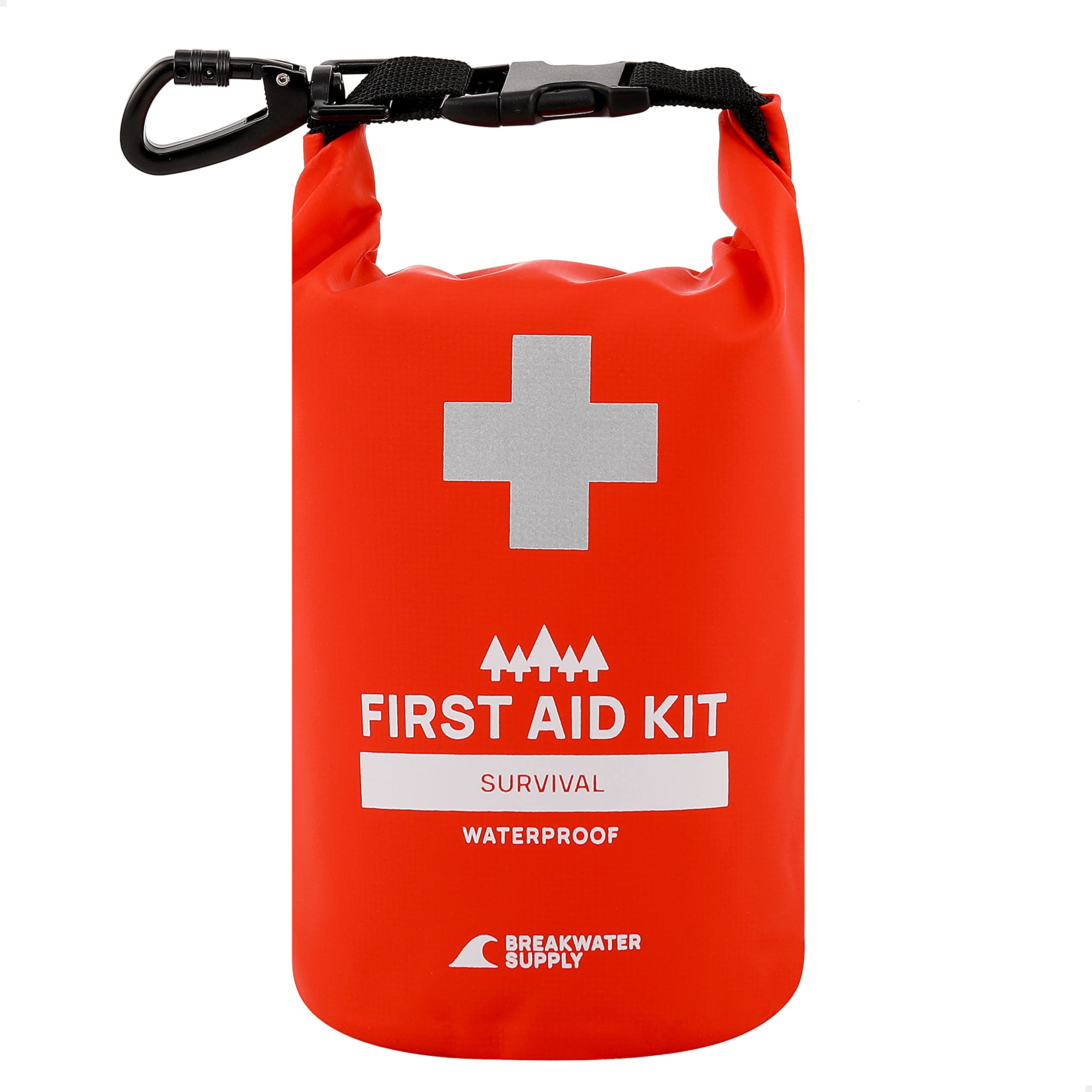
How to Build a First Aid Kit for Your Bug-Out Bag
A bug-out bag is meant to help you manage an emergency evacuation or short-term disruption. A well-planned first aid kit can help you handle minor injuries, provide basic care while you seek help, and keep essential medications within reach. The right kit depends on your health needs, destination, weather, trip length, and level of medical training.
A first aid kit is not a substitute for professional medical care. In a serious emergency, contact 911 when available and follow instructions from emergency responders.
Start With Your Needs
Before buying supplies, consider who will use the kit and what they may need. Include supplies for everyone in your household, such as children, older adults, and people with disabilities or chronic health conditions. Think about likely hazards, too: a city evacuation may call for different supplies than a hike through remote terrain.
Keep essential prescription medications in their original, labeled containers when practical. Ask a health care professional or pharmacist how to store them, how much to carry, and what to do if a dose is missed. Avoid placing medications in a hot vehicle or other conditions that may damage them.
Basic Supplies to Include
Use a durable, water-resistant pouch and organize supplies so they are easy to find. A practical kit may include:
- Protective supplies: Nitrile gloves, hand sanitizer, and a small supply of disposable face masks.
- Wound-care items: Adhesive bandages in several sizes, sterile gauze pads, rolled gauze, medical tape, and a clean cloth or dressing.
- Cleaning supplies: Sterile saline wound wash or clean water for rinsing, plus antiseptic wipes for cleaning around a wound. Avoid putting harsh chemicals into deep wounds.
- Blister and burn care: Blister dressings and a sterile, non-stick dressing. For a burn, cool the area with clean, cool running water when available; do not apply ice, butter, or ointments to a serious burn.
- Tools: Small blunt-tip scissors, tweezers, and a digital thermometer. Pack tools securely and follow local rules when traveling.
- Support supplies: An elastic bandage and a triangular bandage for basic support, if you know how to use them.
- Information: A compact first aid guide, emergency contacts, allergy information, and a current list of medications and relevant medical conditions.
Consider adding an emergency blanket, a small flashlight, and a whistle to your broader bug-out bag. These are not first aid treatments, but they can support safety while waiting for help.
Medicines and Personal Medical Supplies
Over-the-counter medicines may be useful, but only pack products that are appropriate for the people who will use them. Follow label directions and check with a health care professional or pharmacist about allergies, health conditions, pregnancy, medication interactions, and age restrictions. Keep medicines in their original packaging when possible so directions and warnings remain available.
Personal supplies may include prescription medications, an inhaler, an epinephrine auto-injector, glucose supplies, or other medically necessary items. Store and carry these according to the manufacturer’s instructions. Do not rely on a single kit to hold every critical item; keep essential medication accessible and plan for replacement if an evacuation lasts longer than expected.
Consider Bleeding-Control Supplies and Training
For people who have received hands-on instruction, a bleeding-control kit may include a commercial tourniquet and a hemostatic or pressure dressing. Severe bleeding can become life-threatening quickly, but these supplies must be used correctly. Take a recognized first aid or bleeding-control course and follow the specific training provided. Do not practice with a tourniquet on yourself or another person.
If you have not been trained, focus on calling for emergency help when possible and applying firm, continuous direct pressure to a bleeding wound with clean gauze or cloth while waiting for responders. Follow emergency dispatcher instructions.
Pack for the Environment
Heat, moisture, dust, and rough handling can damage medical supplies. Use sealed bags inside the kit to protect items from water, and avoid packing supplies that require special storage unless you can maintain those conditions. Check that the kit is easy to reach, even when the bag is full.
Keep the kit’s location familiar to everyone in your household. If a family member has specific medical needs, make sure another person knows where the relevant supplies are and how to access emergency information.
Check and Practice Regularly
Inspect your kit at least every six months and after using it. Replace expired medicines, damaged packaging, used items, and anything affected by moisture or extreme temperatures. Review the kit whenever household needs change, such as a new prescription or a change in family members.
Practice finding supplies and using basic items before an emergency. A first aid or CPR course can help you respond more confidently and understand when an injury requires professional care.
Be Prepared, but Keep It Practical
The best bug-out bag first aid kit is one you can carry, organize, and use safely. Start with essential supplies, add items based on your household’s medical needs, and get training for procedures that require special equipment. A thoughtfully maintained kit can support preparedness, but emergency services and professional medical care remain essential when someone is seriously injured or ill.
5 Essential Tips for Your Bug Out Bag First Aid Kit
- Pack bandages, gauze, tape, and antiseptic wipes.
- Include personal medications and a list of allergies.
- Add gloves, tweezers, and trauma shears.
- Keep supplies sealed in a waterproof pouch.
- Check expiration dates and refresh your first-aid skills.
Pack bandages, gauze, tape, and antiseptic wipes.
Pack a variety of adhesive bandages, sterile gauze pads, medical tape, and antiseptic wipes in your bug-out bag first aid kit. Bandages can cover small cuts and blisters, while gauze and tape help protect larger wounds. Use antiseptic wipes to clean the skin around a minor injury, and keep supplies sealed in a waterproof pouch so they stay clean and ready to use.
Include personal medications and a list of allergies.
Include personal medications and a written list of allergies in your bug-out bag first aid kit. Pack essential prescriptions in their original, labeled containers when possible, and follow storage instructions to protect them from heat or moisture. Keep the allergy list current and note relevant reactions, medical conditions, and emergency contacts so you—or someone helping you—can quickly share important information with medical professionals.
Add gloves, tweezers, and trauma shears.
Add a pair of nitrile gloves, tweezers, and trauma shears to your bug-out bag first aid kit. Gloves help reduce contact with blood and other bodily fluids, while tweezers can remove splinters or debris from the skin. Trauma shears are designed to cut clothing, gauze, or bandages quickly without sharp points near the skin. Store these tools where they’re easy to reach, and replace any damaged or contaminated items.
Keep supplies sealed in a waterproof pouch.
Keep first aid supplies sealed in a waterproof pouch to protect them from rain, flooding, spills, and damp conditions. Moisture can damage sterile dressings, weaken packaging, and make essential items harder to use when you need them. Choose a durable, easy-to-open pouch, and organize smaller items in labeled resealable bags so supplies stay dry and easy to find.
Check expiration dates and refresh your first-aid skills.
Check your bug-out bag first aid kit regularly, replacing expired medications and any supplies that are damaged, opened, or no longer sterile. Set a reminder to review the kit every six months and after using it. Refresh your first-aid skills with a reputable course so you know how to use your supplies safely and can respond with confidence in an emergency.