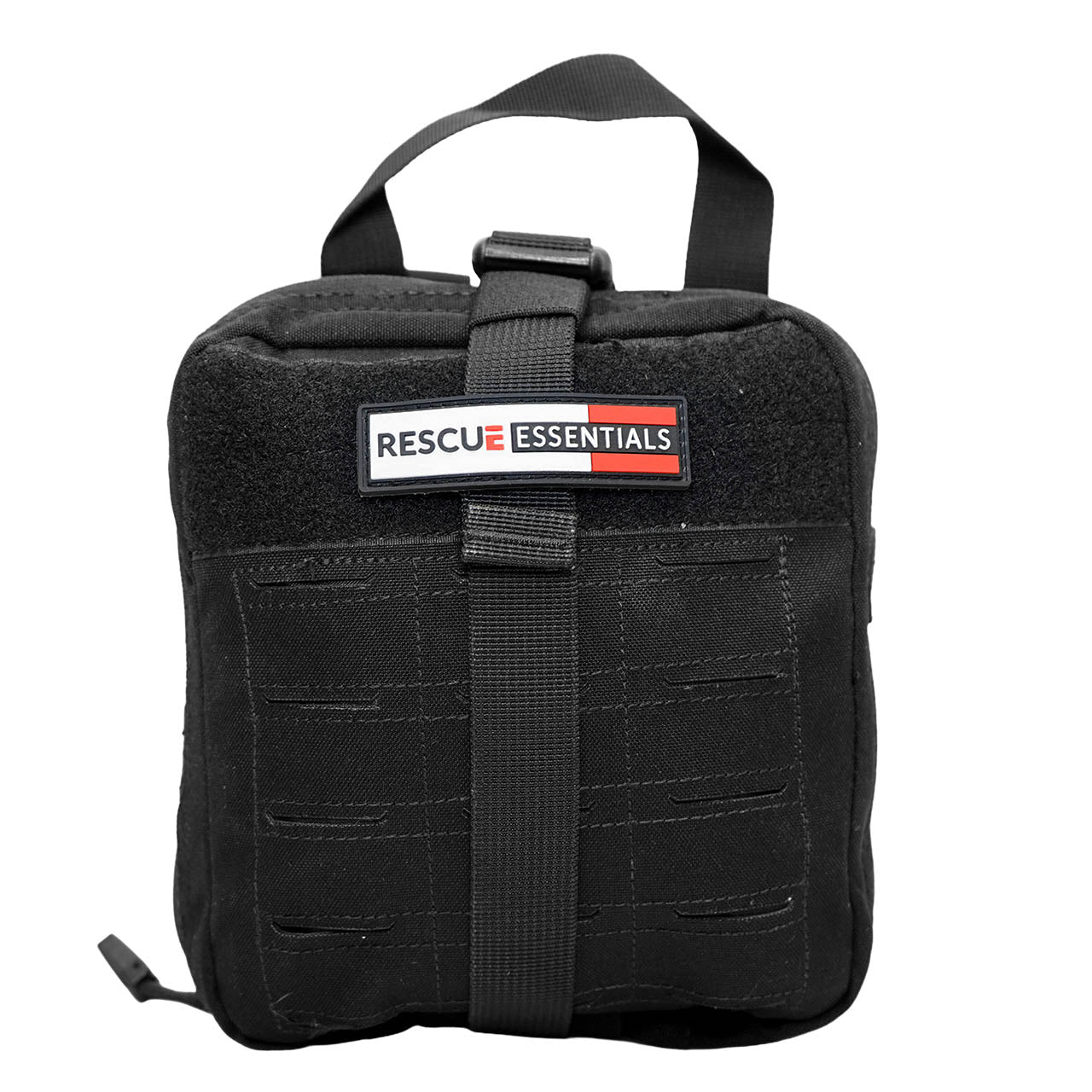
Professional First Aid Kit: How to Choose and Maintain One
A professional first aid kit is a well-organized collection of medical supplies intended to support prompt care for common injuries and emergencies. Workplaces, job sites, schools, vehicles, and community organizations may all need one. The right kit depends on the number of people it serves, the activities taking place, and how quickly professional medical help can arrive.
A kit can help someone provide basic first aid while waiting for emergency responders, but it does not replace medical care, first-aid training, or an emergency response plan.
What Makes a First Aid Kit “Professional”?
Professional kits are generally designed for frequent use, larger groups, or environments with specific hazards. They often include a broader range of supplies than a small household kit, with durable packaging, clearly labeled compartments, and enough materials to handle more than one incident.
There is no single kit that is right for every organization. A small office may need different supplies from a construction site, warehouse, laboratory, or outdoor event. In the United States, OSHA requires employers to have adequate first-aid supplies readily available when there is no infirmary, clinic, or hospital in near proximity. Employers should assess their workplace and consult applicable regulations and safety professionals when selecting supplies.
Common Supplies in a Professional First Aid Kit
Depending on the setting and risk assessment, a professional kit may include:
- Wound-care supplies: Adhesive bandages in assorted sizes, sterile gauze pads, roller bandages, medical tape, and wound dressings.
- Protective equipment: Disposable gloves, CPR face shields or breathing barriers, and eye protection where appropriate.
- Cleaning and burn-care items: Antiseptic wipes, sterile saline or eyewash supplies, and burn dressings suited to the environment.
- Tools: Scissors, tweezers, and a digital thermometer, if appropriate for the kit’s intended use.
- Support and comfort items: Cold packs, triangular bandages, and an emergency blanket.
- Emergency information: First-aid instructions, emergency phone numbers, and a list of the kit’s contents.
Some workplaces may need specialized equipment based on their hazards—for example, eyewash supplies where chemical exposure is possible. Specialized equipment should be selected and maintained according to the relevant hazard assessment and applicable requirements.
How to Choose the Right Kit
Consider the People and Setting
Think about how many people may need access to the kit, where they work, and what injuries are reasonably foreseeable. A remote job site may need more supplies and a stronger emergency plan than an office close to a medical facility.
Check Applicable Standards and Requirements
Some workplace first-aid kits are designed to meet the ANSI/ISEA Z308.1 standard. Check the kit’s product information to see what it includes and whether it is intended for your setting. A standards-labeled kit is not automatically appropriate for every workplace; additional supplies may be necessary based on local hazards and employer requirements.
Look for Clear Organization
Choose a case that is easy to open, clearly labeled, and suitable for its location. Wall-mounted cabinets work well in fixed facilities, while portable cases may be better for vehicles or mobile crews. In harsh environments, consider weather-resistant packaging.
Plan for Access and Training
Place kits where people can find them quickly, and make sure staff know how to access them. Identify trained first-aid responders when appropriate, and ensure that people understand how to contact emergency services and report an incident.
Medications and Specialized Equipment
Medication policies require extra care. Before adding over-the-counter medicines or prescription items, consider allergies, health conditions, storage requirements, expiration dates, and applicable workplace rules. Do not include prescription medication for general use unless it is managed under an appropriate policy and by qualified personnel.
Items such as tourniquets, trauma dressings, or automated external defibrillators (AEDs) may be appropriate in some settings, but they require proper selection, accessibility, inspection, and training. Follow the manufacturer’s instructions and applicable guidance for any specialized equipment.
Inspect and Restock the Kit Regularly
A first aid kit is useful only if its contents are present, clean, and in good condition. Assign someone to inspect it on a regular schedule and after every use. During each check:
- Replace used, damaged, or contaminated supplies.
- Check expiration dates and replace expired items.
- Confirm that packaging is sealed and supplies are stored as directed.
- Update the inventory and restock promptly.
- Make sure the kit remains visible, accessible, and easy to open.
Be Ready Before an Emergency
Pair a professional first aid kit with a written emergency plan, accessible emergency contact information, and appropriate first-aid training. In a life-threatening emergency, call 911 and follow the dispatcher’s instructions. Use supplies only within the limits of your training, and seek professional medical care when an injury or illness may be serious.
By choosing a kit that matches the risks, keeping it well stocked, and preparing people to use it safely, organizations can improve their readiness for workplace and community emergencies.
6 Essential Tips for Managing a Workplace First Aid Kit
- Choose a kit sized for your team and workplace risks.
- Keep it clearly labeled and easy to reach.
- Check supplies regularly and replace expired items.
- Include gloves, dressings, antiseptic, and basic tools.
- Store emergency instructions and contacts with the kit.
- Train staff to use supplies safely and call emergency services when needed.
Choose a kit sized for your team and workplace risks.
Choose a first aid kit that matches the size of your team and the risks in your workplace. A small office may need basic supplies, while a construction site, warehouse, or remote job site may require more extensive or specialized equipment. Consider how many people the kit must serve, the hazards they may encounter, and how quickly emergency services can reach them. Regularly review your workplace needs and restock the kit so essential supplies are available when needed.
Keep it clearly labeled and easy to reach.
Keep your professional first aid kit clearly labeled and in a location that people can reach quickly during an emergency. Use visible signage, keep the area around it clear, and make sure employees or team members know where it is. Avoid storing the kit in a locked or hard-to-access place, and check regularly that it remains in its designated spot and is ready to use.
Check supplies regularly and replace expired items.
Check your professional first aid kit regularly to make sure its supplies are complete, in good condition, and easy to access. Replace expired items promptly, since they may no longer be safe or effective, and restock anything used or damaged. A routine inspection schedule helps ensure the kit is ready when an emergency occurs.
Include gloves, dressings, antiseptic, and basic tools.
A professional first aid kit should include disposable gloves to help protect both the responder and the injured person, along with sterile dressings and gauze for covering wounds and controlling bleeding. Add antiseptic wipes for cleaning around minor cuts and scrapes, plus basic tools such as scissors and tweezers. Check supplies regularly, replace used or expired items, and choose products suited to the hazards in your workplace or setting.
Store emergency instructions and contacts with the kit.
Store emergency instructions and important contacts with your professional first aid kit so they’re easy to find when every second counts. Include the address of the site, emergency phone numbers, directions for contacting on-site responders, and clear steps for calling 911 and reporting an incident. Keep the information current, easy to read, and protected from damage, and make sure everyone knows where to find it.
Train staff to use supplies safely and call emergency services when needed.
Train staff to use first aid supplies safely and only within the limits of their training. Make sure they know where the kit is located, how to find key items, and when an injury or illness requires professional care. For life-threatening emergencies, call 911 promptly, follow the dispatcher’s instructions, and provide first aid while help is on the way.