The Importance of a Backcountry First Aid Kit
Exploring the great outdoors can be an exhilarating experience, but it also comes with its own set of risks. Whether you are hiking, camping, or backpacking in the backcountry, being prepared for emergencies is essential. One crucial item that every outdoor enthusiast should have is a backcountry first aid kit.
What is a Backcountry First Aid Kit?
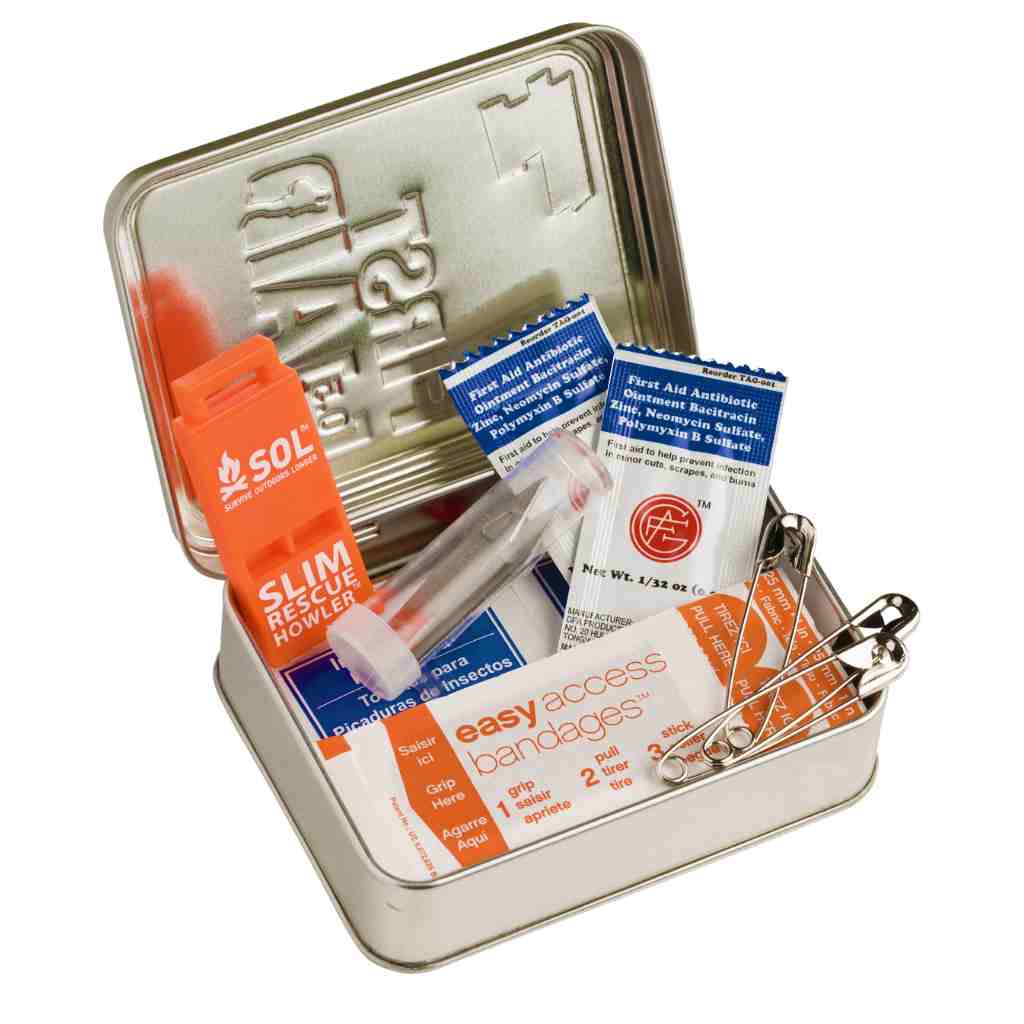
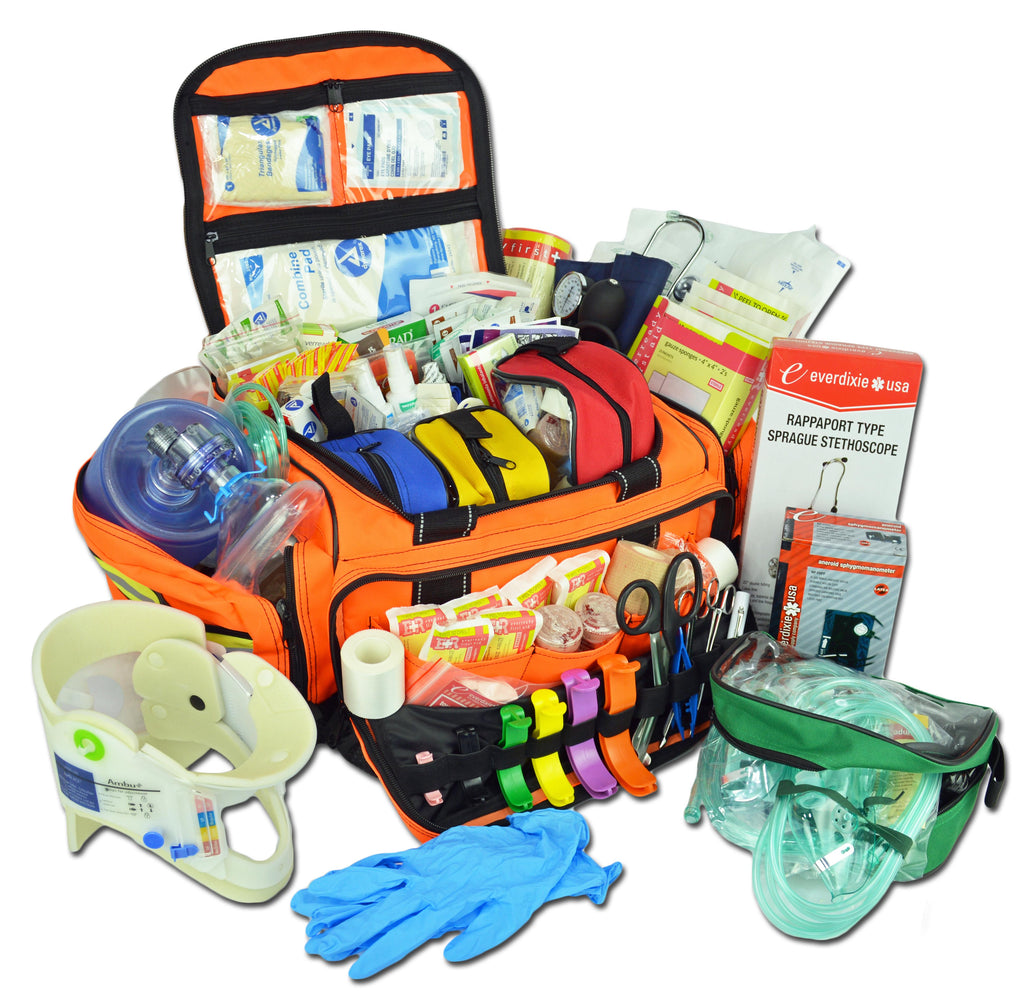
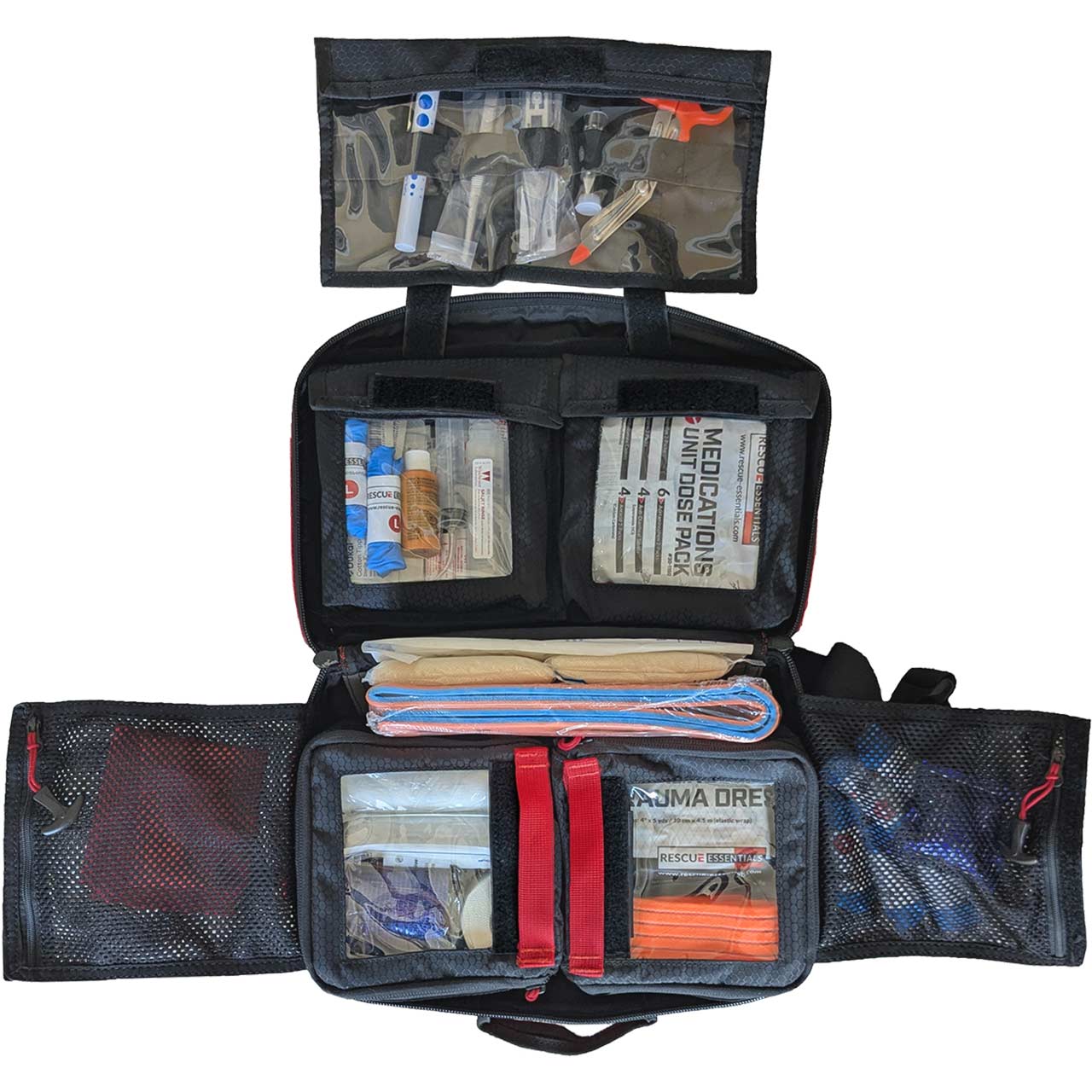
A backcountry first aid kit is a portable pack containing essential supplies to treat minor injuries and manage medical emergencies while you are away from immediate medical assistance. It typically includes items such as bandages, antiseptic wipes, pain relievers, adhesive tape, scissors, tweezers, and more.
Why You Need a Backcountry First Aid Kit
Accidents can happen anytime, anywhere, especially in remote wilderness areas where access to medical help may be limited. Having a well-stocked first aid kit can make a significant difference in how effectively you can respond to injuries and emergencies. Here are some reasons why a backcountry first aid kit is indispensable:
- Rapid Response: A first aid kit allows you to promptly address injuries and prevent them from worsening before professional help arrives.
- Safety Assurance: Knowing that you have essential medical supplies on hand can boost your confidence and peace of mind during outdoor adventures.
- Emergency Preparedness: In remote areas where communication may be limited, having a first aid kit can help you stabilize conditions until further assistance is available.
- Saves Lives: A well-equipped first aid kit can potentially save lives by providing immediate care for critical situations like severe bleeding or allergic reactions.
Building Your Backcountry First Aid Kit
When assembling your backcountry first aid kit, consider the specific needs of your outdoor activities and the number of people in your group. Customize your kit with items that cater to potential risks such as cuts, sprains, insect bites, and burns. Regularly check and replenish supplies to ensure that your kit remains up-to-date and functional.
In Conclusion
A backcountry first aid kit is an indispensable companion for outdoor enthusiasts venturing into remote wilderness areas. By investing in a well-prepared first aid kit and familiarizing yourself with its contents and usage, you are taking proactive steps to enhance safety and preparedness during your backcountry adventures.
Remember: Stay safe, stay prepared!
Essential Tips for Building a Comprehensive Backcountry First Aid Kit
- Include essential items like bandages, gauze, adhesive tape, and antiseptic wipes.
- Pack medications for common issues like pain relief, allergies, and stomach upset.
- Add emergency items such as a whistle, flashlight, space blanket, and multi-tool.
- Include personal medications and any specific medical supplies you may need.
- Regularly check and replenish supplies to ensure everything is up-to-date and in good condition.
- Consider taking a first aid course to learn how to effectively use the items in your kit.
Include essential items like bandages, gauze, adhesive tape, and antiseptic wipes.
To ensure you are well-prepared for emergencies in the backcountry, it is crucial to include essential items like bandages, gauze, adhesive tape, and antiseptic wipes in your first aid kit. Bandages and gauze are essential for covering wounds and controlling bleeding, while adhesive tape provides secure support for bandages. Antiseptic wipes help clean and disinfect wounds to prevent infection, making them vital components for maintaining proper wound care in remote outdoor settings. By including these key items in your backcountry first aid kit, you can effectively address minor injuries and promote faster healing while exploring the wilderness.
Pack medications for common issues like pain relief, allergies, and stomach upset.
When preparing your backcountry first aid kit, be sure to pack essential medications for common issues such as pain relief, allergies, and stomach upset. Including medications like pain relievers, antihistamines for allergies, and antacids for stomach discomfort can help address minor health concerns that may arise during your outdoor adventures. By having these medications readily available in your kit, you can effectively manage common ailments and ensure a more comfortable and safe experience in the backcountry.
Add emergency items such as a whistle, flashlight, space blanket, and multi-tool.
When preparing your backcountry first aid kit, it is essential to include emergency items that can serve multiple purposes in critical situations. Adding items such as a whistle for signaling, a flashlight for illumination, a space blanket for warmth and shelter, and a multi-tool for various tasks can significantly enhance your preparedness in the wilderness. These versatile tools not only complement your medical supplies but also provide essential functions for communication, navigation, and survival during emergencies. Ensure that these emergency items are easily accessible within your kit to maximize their effectiveness when needed most.
Include personal medications and any specific medical supplies you may need.
When preparing your backcountry first aid kit, it is crucial to remember to include your personal medications and any specific medical supplies you may need. Whether you have allergies, chronic conditions, or require specialized treatments, having these items readily available can be a lifesaver in remote wilderness areas where access to medical assistance is limited. By ensuring that your kit is tailored to meet your individual health needs, you are taking proactive steps to safeguard your well-being and enhance your preparedness for any unexpected medical situations during outdoor adventures.
Regularly check and replenish supplies to ensure everything is up-to-date and in good condition.
It is crucial to regularly check and replenish the supplies in your backcountry first aid kit to ensure that everything is up-to-date and in good condition. By conducting routine inspections of your kit, you can rest assured that essential items like bandages, medications, and tools are ready for use in case of emergencies. Keeping your supplies current and in optimal condition plays a vital role in maintaining the effectiveness of your first aid kit and ensuring that you are adequately prepared to handle unexpected situations while exploring the wilderness.
Consider taking a first aid course to learn how to effectively use the items in your kit.
To enhance your preparedness in the backcountry, consider taking a first aid course to learn how to effectively utilize the items in your first aid kit. By acquiring essential skills and knowledge through a formal training program, you can confidently respond to emergencies and provide proper care when needed. Understanding how to apply bandages, administer medications, and assess injuries can make a significant difference in the outcome of medical situations while exploring remote wilderness areas. Investing in your education ensures that you are not only equipped with the right supplies but also equipped with the necessary skills to handle unforeseen circumstances effectively.