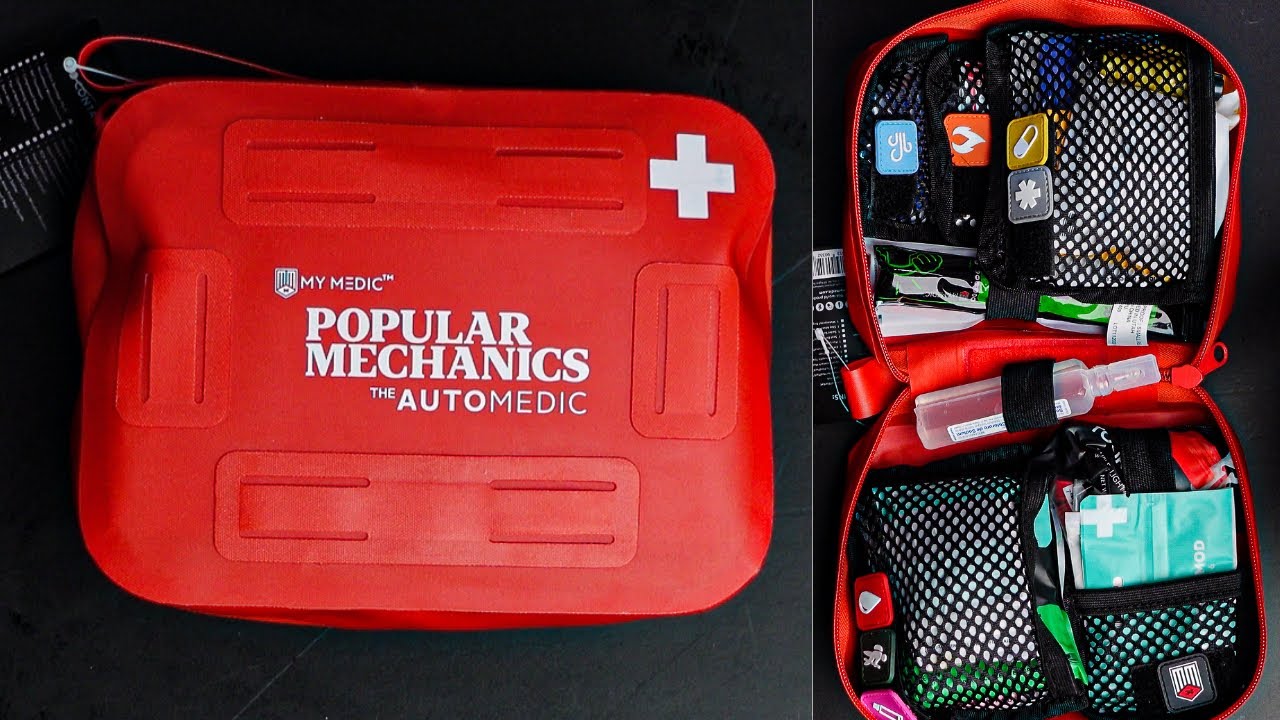
Vehicle First Aid Kits: What to Keep in Your Car
A vehicle first aid kit can help you handle minor injuries and provide basic care while you wait for professional help. Whether you commute every day or take long road trips, keeping a well-stocked kit in your car is a practical step toward being prepared. A first aid kit does not replace emergency services or medical training, but having the right supplies nearby can make it easier to respond calmly.
What to Include in a Vehicle First Aid Kit
You can buy a preassembled kit or put one together yourself. Check that supplies are sealed, clean, and within their expiration dates. A useful kit may include:
- Adhesive bandages in several sizes
- Sterile gauze pads and adhesive medical tape
- Antiseptic wipes or another appropriate wound-cleaning product
- Disposable nitrile gloves
- Blunt-tip scissors and tweezers
- An elastic bandage
- A triangular bandage
- A cold pack
- A small emergency blanket
- Basic first aid instructions
Consider adding items that suit your household’s needs, such as children’s bandages or supplies for a known allergy. Keep personal medications in their original packaging and follow storage instructions. Do not leave temperature-sensitive medicine in a hot or freezing vehicle unless its label says that storage is safe.
Choose a Kit That Fits Your Trips
Think about how and where you drive. A compact kit may be enough for daily errands, while frequent travelers may want a larger kit with extra dressings and supplies for more than one person. If you travel with children, older adults, or pets, plan for their needs too. For remote trips, consider bringing additional emergency equipment, such as drinking water, a flashlight, and a phone charger; these are useful but are not substitutes for first aid supplies.
Store It Where You Can Reach It
Keep the kit in a secure, easy-to-access place, such as the passenger compartment or a designated storage area. Avoid burying it beneath luggage or storing it where it could become a projectile during a sudden stop. Tell regular passengers where it is, and make sure the container is clearly labeled.
Vehicles can become very hot or cold, which may damage some supplies. Review the kit periodically, replace anything that is used or expired, and follow manufacturers’ storage guidance. Check it before long trips and after seasonal changes.
Know the Basics Before an Emergency
Take a reputable first aid and CPR course so you can use supplies appropriately and recognize when a situation is beyond your training. In an emergency, first make sure the scene is as safe as possible. Call 911 for serious injuries, trouble breathing, severe bleeding, or other urgent conditions. Follow the dispatcher’s instructions, and do not move an injured person unless there is immediate danger.
For minor wounds, wash your hands or put on gloves before providing care, if possible. Use supplies according to their instructions, and seek medical advice when an injury is severe, becomes infected, or does not improve.
Make Preparedness Part of Car Maintenance
A vehicle first aid kit is most useful when it is complete, accessible, and suited to the people who ride in your car. Add a quick kit check to your regular vehicle maintenance routine. A few minutes of preparation can help you respond more confidently to minor injuries and get appropriate help when a situation is serious.
Vehicle First Aid Kits: 7 Frequently Asked Questions
- What should be included in a vehicle first aid kit?
- Where should I store a first aid kit in my car?
- How often should I check or replace items in my vehicle first aid kit?
- Can heat or cold damage the supplies in a car first aid kit?
- Should I buy a preassembled kit or make my own?
- What extra first aid supplies should I keep in my car for children or pets?
- What should I do if someone is seriously injured and I only have a vehicle first aid kit?
What should be included in a vehicle first aid kit?
A vehicle first aid kit should include adhesive bandages in assorted sizes, sterile gauze pads, medical tape, antiseptic wipes, disposable gloves, tweezers, blunt-tip scissors, an elastic bandage, and a first aid instruction card. You may also want a cold pack and an emergency blanket, along with any personal supplies suited to your passengers’ needs. Check the kit regularly, replace used or expired items, and store it where it is easy to reach.
Where should I store a first aid kit in my car?
Store your first aid kit in a secure, easy-to-reach spot in the passenger area, such as a glove compartment, center console, or seat-back pocket. Avoid placing it under luggage or other items that could block access, and secure it so it won’t shift or become a hazard during a sudden stop. Because extreme heat and cold can damage some supplies, check product labels for storage guidance and inspect the kit regularly.
How often should I check or replace items in my vehicle first aid kit?
Check your vehicle first aid kit at least every six months and before long trips. Replace any supplies that have been used, damaged, contaminated, or expired, and make sure packaging is sealed and contents are easy to access. Heat and cold inside a vehicle can affect some items, so follow product storage instructions and check temperature-sensitive supplies more often.
Can heat or cold damage the supplies in a car first aid kit?
Yes. Extreme heat or cold in a vehicle can damage some first aid kit supplies. Heat may weaken adhesive bandages and tape, degrade certain medications, and shorten the shelf life of products; freezing temperatures can also affect medicines and liquid solutions. Check product labels for storage instructions, and avoid keeping temperature-sensitive items in your car long term. Inspect your kit regularly, replace anything expired, damaged, or exposed to unsuitable temperatures, and store the kit in a cool, dry place when practical.
Should I buy a preassembled kit or make my own?
Both options can work well. A preassembled vehicle first aid kit is convenient and gives you a ready-made starting point, but check that it contains supplies you know how to use and suits the number of people who usually ride with you. Making your own lets you customize the contents for your family, regular trips, and any specific needs. You can also start with a preassembled kit and add or replace items as needed. Whichever you choose, store it where it’s easy to reach and check it periodically for used, damaged, or expired supplies.
What extra first aid supplies should I keep in my car for children or pets?
For children, consider adding assorted child-size bandages, a digital thermometer, and any prescribed medicines or emergency supplies they may need; keep medicines in their original packaging and follow storage instructions, since a parked car can become very hot or cold. For pets, pack gauze pads, nonstick dressings, saline wound wash, and a pet-safe bandage wrap, along with your veterinarian’s contact information. Store small items where children cannot reach them, and never give a pet human medication unless a veterinarian specifically directs you to do so.
What should I do if someone is seriously injured and I only have a vehicle first aid kit?
If someone is seriously injured, call 911 immediately and follow the dispatcher’s instructions; a vehicle first aid kit is only for basic support and does not replace professional care. Make sure the scene is safe before approaching, and don’t move the injured person unless they’re in immediate danger. If there is severe bleeding, put on gloves if available and apply firm, steady pressure with clean gauze or cloth while help is on the way. Keep the person as still and warm as possible, monitor their breathing and responsiveness, and don’t give them food or drink. Use only supplies or techniques you’re trained to use, and stay with them until emergency responders arrive.