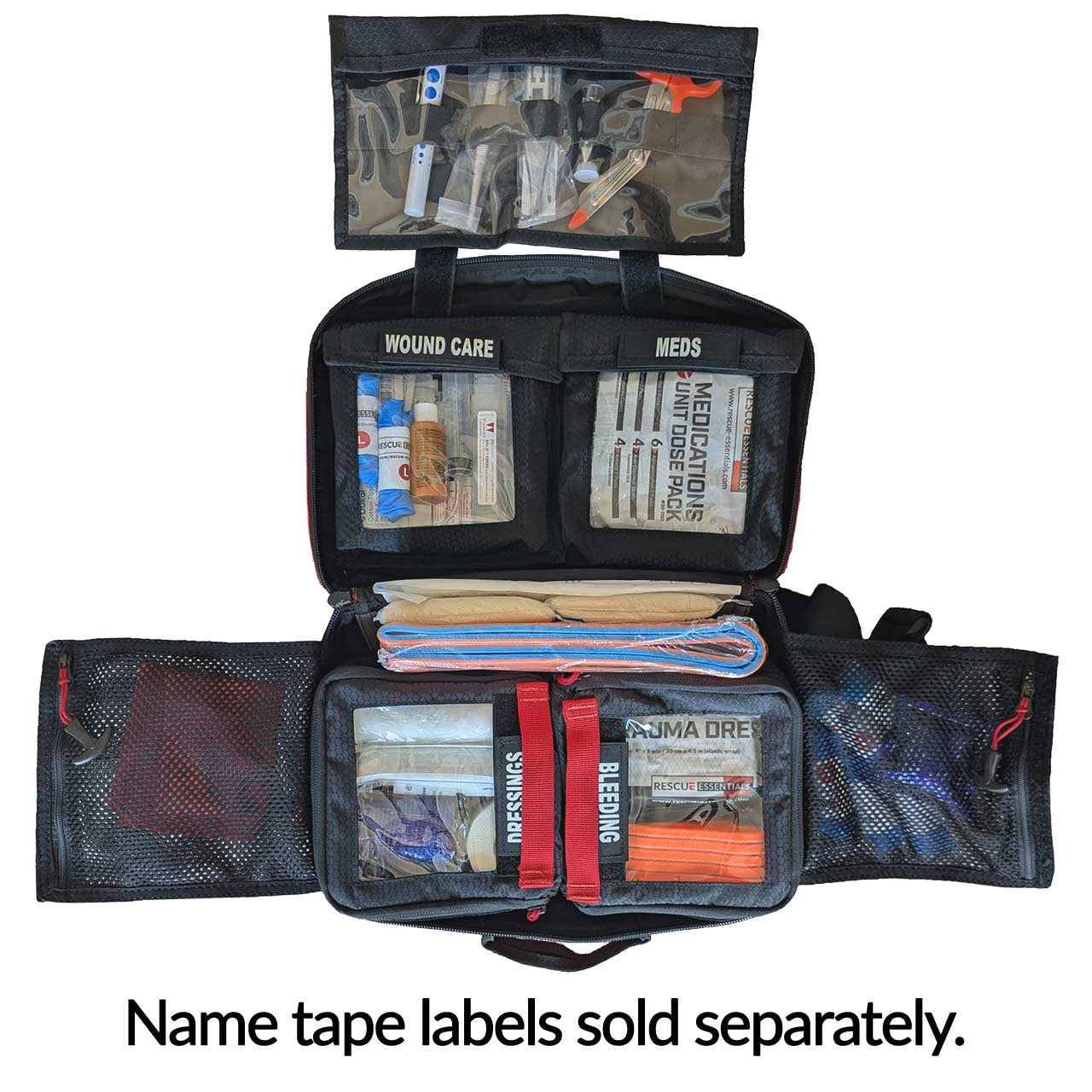
How to Build a Home Medical Kit
A well-stocked home medical kit can help you handle minor injuries and common health needs while you decide whether professional care is necessary. It does not replace a doctor, urgent care, or emergency services, but having essential supplies organized and easy to find can make stressful situations more manageable.
Essential First Aid Supplies
Keep basic wound-care and first aid items together in a clean, sturdy container. Consider including:
- Adhesive bandages in assorted sizes
- Sterile gauze pads and rolled gauze
- Medical adhesive tape
- Antiseptic wipes or another suitable wound-cleaning product
- Disposable, non-latex gloves
- Small scissors and tweezers
- Instant cold pack
- Digital thermometer
- Elastic bandage
- Saline solution for rinsing eyes or wounds
- First aid guide and a list of emergency contacts
Choose supplies that household members know how to use. Follow product directions, and avoid applying creams, powders, or medications to serious wounds unless a medical professional advises it.
Over-the-Counter Medicines
Depending on the needs of the household, a kit may include commonly used, nonprescription medicines such as pain or fever relievers, an antihistamine, an antacid, and oral rehydration solution. Read labels carefully and use each product only as directed. Check with a health care professional or pharmacist before giving medicine to children, combining medicines, or using a product if someone is pregnant, has a chronic condition, or takes prescription medication.
Keep prescription medicines in their original labeled containers and follow the prescriber’s storage and use instructions. Do not share prescription medication. Review medicine expiration dates regularly and dispose of expired or unwanted medicines according to local guidance.
Personalize the Kit
A useful kit reflects the people who may need it. Add supplies based on household members’ ages, allergies, medical conditions, and mobility needs. This could include a spare pair of glasses, medical alert information, glucose-testing supplies, or other equipment recommended by a health care professional. Keep a written record of important conditions, allergies, medications, and emergency contacts where it can be found quickly.
Store Supplies Safely
Store the kit in a clearly labeled, waterproof container in a cool, dry place. Keep it out of reach of young children, but make sure responsible adults can access it quickly. Avoid storing medicines in places exposed to heat or moisture, such as a bathroom cabinet, unless the label specifically allows it. Tell household members where the kit is and how to reach emergency contacts.
Check and Replace Items
Review the kit at least twice a year and after using any supplies. Replace used, damaged, or expired items, and check that batteries in devices such as thermometers are working. A simple checklist attached to the container can make these reviews easier.
Know When to Get Help
Seek professional medical advice when an injury or illness is severe, worsening, or beyond what household first aid can safely address. Call 911 in the United States for a life-threatening emergency, such as difficulty breathing, severe bleeding, unconsciousness, or signs of a stroke or heart attack. For possible poisoning, contact Poison Control at 1-800-222-1222 in the United States; call 911 if the person is unconscious, having a seizure, or having trouble breathing.
A home medical kit works best as part of a broader safety plan. Keep emergency numbers available, learn basic first aid from a reputable provider, and consult a health care professional about supplies suited to your household.
Home Medical Kit FAQs: Costs, Free Options, Must-Have Supplies, and Legal Considerations
- How much does the home medical kit cost?
- How to get a first aid kit for free?
- What is the best first aid kit for your home?
- What should be in a home trauma kit?
- What is the best at-home medical kit?
- Is the emergency medical kit legal?
- What should you have in a home medical kit?
How much does the home medical kit cost?
The cost of a home medical kit varies depending on its size, quality, and contents. A basic first aid kit may cost around $15 to $30, while a more comprehensive kit with additional supplies can cost $50 or more. You may also build your own kit by purchasing items separately, which lets you tailor it to your household’s needs. Check product contents and expiration dates, and remember that prescription medicines and specialized medical supplies may add to the total cost.
How to get a first aid kit for free?
You may be able to get a free first aid kit through local health departments, community centers, schools, employers, nonprofits, or emergency-preparedness events. Availability varies, so contact these organizations or call 211 in the United States to ask about nearby resources. Some health insurers or community programs may also offer safety supplies to members. Before relying on a free kit, check that it contains the supplies your household needs and replace anything used, damaged, or expired.
What is the best first aid kit for your home?
The best first aid kit for your home is one that’s easy to find, well stocked, and suited to your household’s needs. Choose a clearly labeled kit with essentials such as assorted bandages, sterile gauze, medical tape, disposable gloves, antiseptic wipes, tweezers, scissors, and a digital thermometer. Add any recommended items for children, older adults, allergies, or ongoing medical conditions, and keep medicines in their original packaging. Store the kit in a cool, dry place that adults can access quickly, and check it regularly to replace used or expired supplies.
What should be in a home trauma kit?
A home trauma kit should contain supplies for controlling bleeding and protecting the injured person while you seek professional help. Consider including disposable gloves, trauma shears, sterile gauze, a pressure dressing, medical tape, and a commercially made tourniquet, along with a first aid guide and emergency contact information. Store the kit in an accessible, clearly labeled place, and learn how to use each item through hands-on training; a tourniquet should be used only for life-threatening bleeding and according to its instructions or training. Call 911 for severe injuries, and don’t delay emergency care to use the kit.
What is the best at-home medical kit?
The best at-home medical kit is one tailored to your household’s needs, easy to access, and kept up to date. Look for a sturdy, clearly labeled container with basic first aid supplies—such as assorted bandages, sterile gauze, medical tape, gloves, tweezers, scissors, and a digital thermometer—and add any recommended items for children, allergies, or ongoing health conditions. If you include over-the-counter or prescription medicines, store and use them according to their labels and a health care professional’s advice. Check the kit regularly and replace anything used, damaged, or expired.
Is the emergency medical kit legal?
Yes, keeping an emergency medical kit at home is generally legal in the United States. Rules may differ for specific items, especially prescription medicines, controlled substances, oxygen, or medical devices, so use them only as directed and follow applicable storage and disposal requirements. If your kit is for a workplace, school, vehicle, or public event, additional rules may apply; check with the relevant local or state authorities.
What should you have in a home medical kit?
A home medical kit should include basic first-aid supplies such as adhesive bandages, sterile gauze, medical tape, antiseptic wipes, disposable gloves, tweezers, scissors, an elastic bandage, a digital thermometer, and a first-aid guide. You may also want to keep appropriate over-the-counter medicines and any household-specific medical supplies, following product labels and advice from a health care professional. Store everything in a clearly labeled, child-safe container, and check regularly for used or expired items.