The Essential Items for Your First Aid Kit
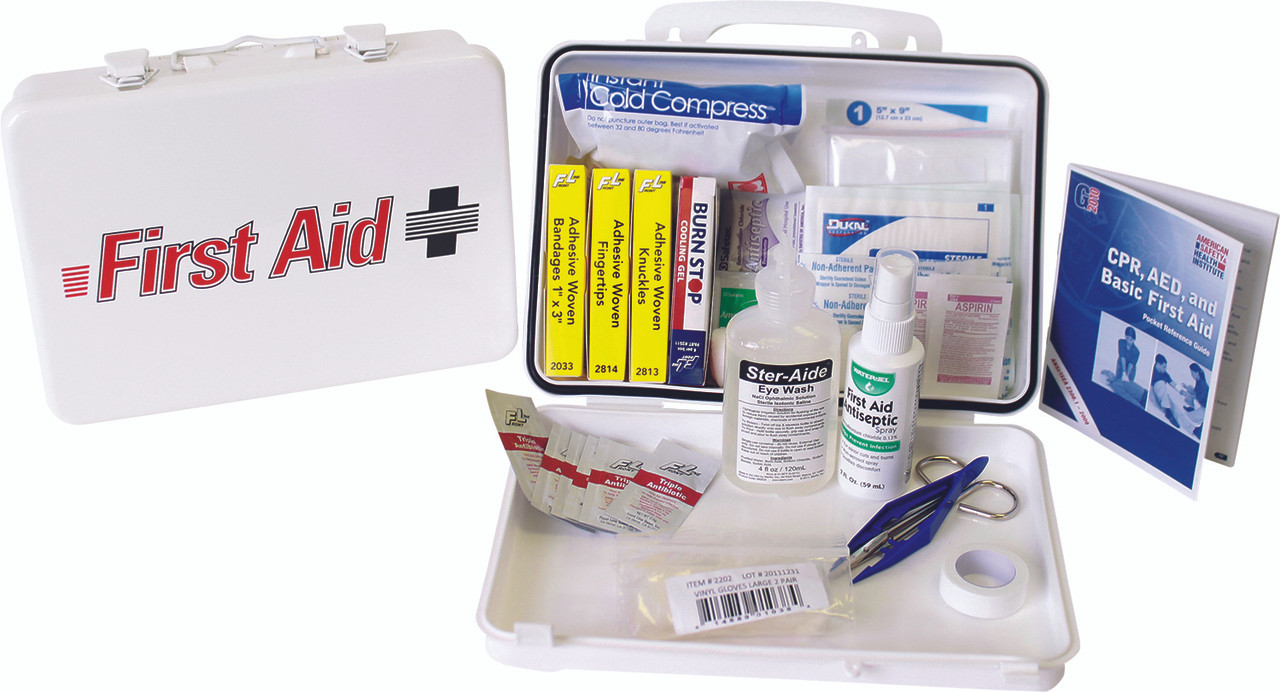
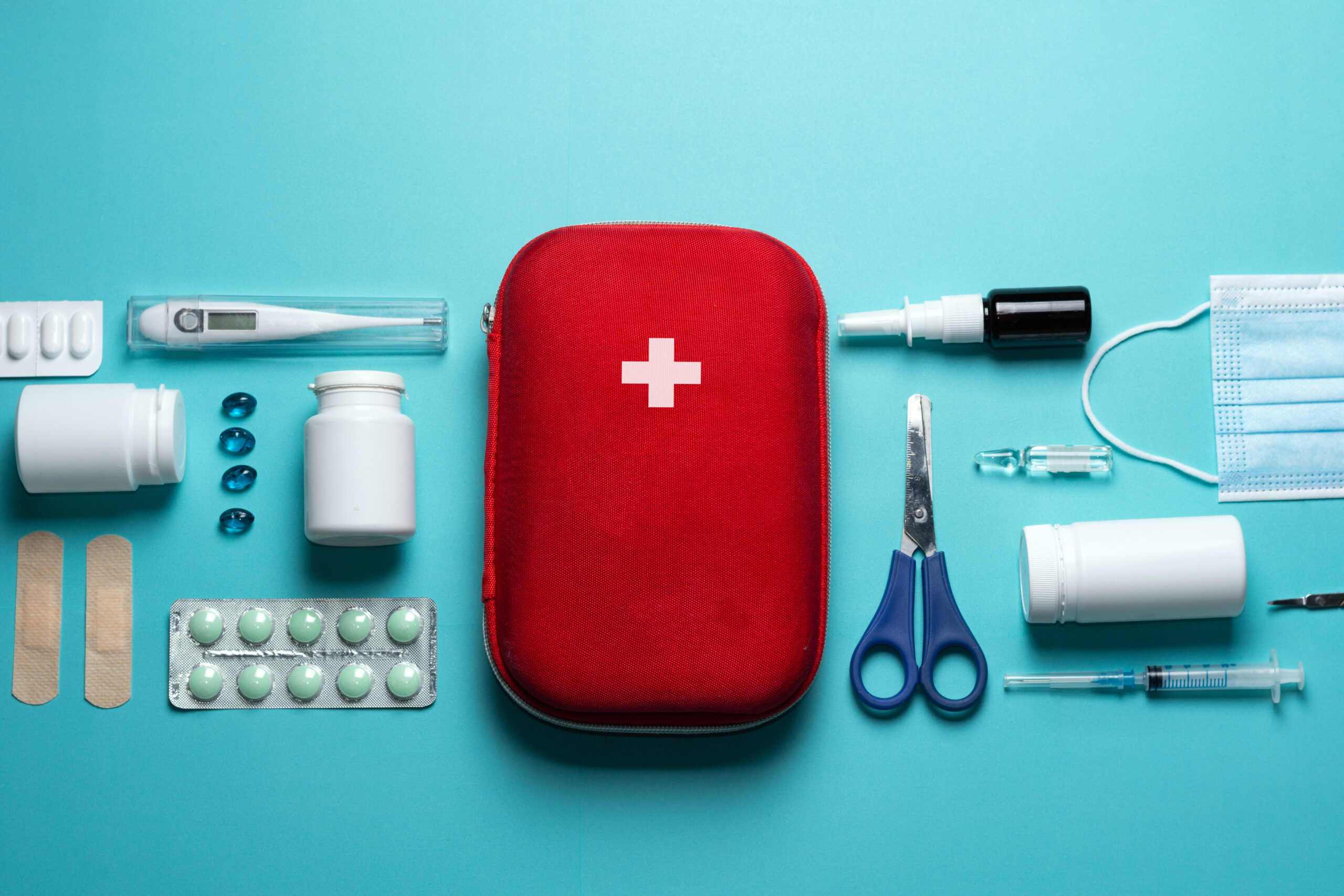
Having a well-stocked first aid kit is essential for handling minor injuries and emergencies effectively. Whether you are at home, on the road, or enjoying outdoor activities, having the right supplies can make a significant difference in providing immediate care. Here are some of the essential items to include in your first aid kit:
Bandages and Dressings
Adhesive bandages, sterile gauze pads, and adhesive tape are crucial for covering wounds and preventing infections. Make sure to include various sizes to accommodate different types of injuries.
Cleansing Agents
Antiseptic wipes, hydrogen peroxide, and alcohol pads are essential for cleaning wounds before dressing them. These items help prevent infections and promote faster healing.
Tools and Instruments
A pair of scissors, tweezers, and a thermometer are useful tools to have in your first aid kit. Scissors can be used to cut bandages or clothing in case of an emergency, while tweezers can help remove splinters or debris from wounds.
Medications
Include basic medications such as pain relievers (e.g., ibuprofen or acetaminophen), antihistamines for allergic reactions, and anti-diarrheal medications. It’s important to check expiration dates regularly and replace any expired medications.
Personal Protective Equipment (PPE)
Gloves and face masks are essential items to protect both the caregiver and the patient from contamination during first aid procedures. Make sure to include an ample supply of disposable gloves in your kit.
Emergency Contact Information
Include a list of emergency contact numbers, including local emergency services, poison control centers, and personal contacts. Having this information readily available can be crucial during emergencies.
Remember to periodically check your first aid kit for expired items or missing supplies. Keeping your kit well-organized and up-to-date ensures that you are prepared to handle any minor injuries or emergencies that may arise.
Stay safe and be prepared!
7 Essential Benefits of a Well-Stocked First Aid Kit
- Essential for providing immediate care during minor injuries and emergencies.
- Promotes faster healing and prevents infections with proper wound cleaning supplies.
- Versatile bandages and dressings accommodate various types of injuries.
- Includes basic medications for pain relief, allergic reactions, and other common ailments.
- Useful tools like scissors and tweezers aid in wound care and removal of debris.
- Personal protective equipment (PPE) such as gloves and masks ensure safety during first aid procedures.
- Emergency contact information readily available for quick access to essential numbers.
Challenges of Maintaining an Effective First Aid Kit: Expiration, Allergies, Storage, Training, Equipment Use, and Space Limitations
- Some first aid supplies have expiration dates and may need to be replaced regularly, adding to maintenance costs.
- Certain medications in the first aid kit may cause allergic reactions in individuals with sensitivities.
- Improper storage of first aid supplies can lead to degradation of items, reducing their effectiveness when needed.
- Inadequate training on how to use certain first aid items may result in improper or ineffective treatment of injuries.
- Some specialized medical equipment in a first aid kit may require specific knowledge or skills to use correctly.
- Limited space in a compact first aid kit may restrict the quantity and variety of supplies that can be included for diverse needs.
Essential for providing immediate care during minor injuries and emergencies.
Having a well-stocked first aid kit is essential for providing immediate care during minor injuries and emergencies. With the right supplies readily available, individuals can quickly address wounds, cuts, or other medical issues that may arise. This proactive approach not only ensures prompt treatment but also helps prevent complications and promote faster healing. A properly equipped first aid kit can make a significant difference in effectively managing unexpected situations and providing necessary care when it is needed most.
Promotes faster healing and prevents infections with proper wound cleaning supplies.
Proper wound cleaning supplies in a first aid kit play a crucial role in promoting faster healing and preventing infections. By ensuring that wounds are thoroughly cleaned with antiseptic wipes, hydrogen peroxide, or alcohol pads before dressing them, the risk of bacterial contamination is significantly reduced. This proactive approach not only accelerates the healing process but also minimizes the chances of complications that could arise from untreated or improperly cleaned wounds. Including these essential items in your first aid kit can make a significant difference in maintaining good wound care practices and ensuring optimal recovery outcomes.
Versatile bandages and dressings accommodate various types of injuries.
Versatile bandages and dressings are a crucial pro of first aid kit supplies as they can accommodate various types of injuries effectively. Whether it’s a small cut, a burn, or a more significant wound, having different sizes and types of bandages ensures that you can provide the appropriate care quickly. The versatility of these items not only allows for proper wound coverage but also helps in preventing infections and promoting faster healing. Having a range of bandages and dressings in your first aid kit ensures that you are prepared to address a wide array of injuries with the right tools at hand.
Includes basic medications for pain relief, allergic reactions, and other common ailments.
One of the key advantages of a well-equipped first aid kit is the inclusion of basic medications to address various common ailments. Having pain relievers for minor injuries, antihistamines for allergic reactions, and other essential medications on hand can provide immediate relief and comfort in times of need. Being prepared with these medications allows individuals to effectively manage unexpected health issues and promote faster recovery when faced with minor emergencies.
Useful tools like scissors and tweezers aid in wound care and removal of debris.
Having useful tools like scissors and tweezers in your first aid kit is essential for effective wound care and the removal of debris. Scissors can be used to cut bandages or clothing to access and treat wounds, while tweezers are handy for safely removing splinters, glass shards, or other foreign objects from the skin. These tools not only facilitate proper wound management but also help prevent infections and promote faster healing. Including these items in your first aid kit ensures that you are equipped to handle minor injuries and emergencies with precision and care.
Personal protective equipment (PPE) such as gloves and masks ensure safety during first aid procedures.
Personal protective equipment (PPE) plays a crucial role in ensuring the safety of both the caregiver and the patient during first aid procedures. Items like gloves and masks create a barrier that helps prevent the spread of infections and contaminants. By using PPE, individuals can reduce the risk of exposure to bodily fluids, pathogens, and other potentially harmful substances, thereby promoting a safer environment for administering first aid. Incorporating PPE into first aid kits underscores the importance of prioritizing safety and hygiene in emergency situations.
Emergency contact information readily available for quick access to essential numbers.
Having emergency contact information readily available in your first aid kit is a crucial advantage as it allows for quick access to essential numbers during emergencies. In high-stress situations, having immediate access to contact numbers for local emergency services, poison control centers, and personal contacts can make a significant difference in obtaining timely assistance and support. This proactive approach ensures that necessary help can be summoned swiftly, enhancing the overall effectiveness of first aid response efforts.
Some first aid supplies have expiration dates and may need to be replaced regularly, adding to maintenance costs.
One drawback of maintaining a first aid kit is that some supplies come with expiration dates, necessitating regular replacement. This requirement adds to the overall maintenance costs associated with keeping a well-stocked and up-to-date kit. Constantly monitoring and replenishing items that have expired can be an ongoing task, requiring both time and financial investment to ensure that the first aid kit remains fully functional and ready for use in case of emergencies.
Certain medications in the first aid kit may cause allergic reactions in individuals with sensitivities.
Certain medications included in a first aid kit may pose a con by potentially triggering allergic reactions in individuals with sensitivities. While medications like pain relievers and antihistamines are commonly included to address various health issues, it is important to be aware of potential allergens that could lead to adverse reactions. Individuals with known sensitivities or allergies should carefully review the contents of their first aid kit and consult with a healthcare provider to identify suitable alternatives or take necessary precautions to avoid any allergic complications.
Improper storage of first aid supplies can lead to degradation of items, reducing their effectiveness when needed.
Improper storage of first aid supplies can have detrimental consequences, as it can lead to the degradation of items over time. Factors such as exposure to extreme temperatures, moisture, or direct sunlight can compromise the integrity and effectiveness of the supplies within the first aid kit. For example, medications may lose their potency, adhesive bandages may lose their stickiness, and sterile items may become contaminated if not stored properly. It is crucial to store first aid supplies in a cool, dry place away from direct sunlight and humidity to ensure that they remain viable and effective when needed during emergencies. Regularly checking and replenishing expired or damaged items is essential to maintain a well-prepared first aid kit.
Inadequate training on how to use certain first aid items may result in improper or ineffective treatment of injuries.
Inadequate training on how to use certain first aid items can lead to improper or ineffective treatment of injuries. While having a well-stocked first aid kit is essential, knowing how to utilize its contents correctly is equally important. Without proper training, individuals may misuse supplies or apply treatments incorrectly, potentially exacerbating injuries or delaying proper care. It is crucial for individuals to educate themselves on basic first aid procedures and seek training to ensure they can effectively respond to emergencies and provide appropriate care when needed.
Some specialized medical equipment in a first aid kit may require specific knowledge or skills to use correctly.
One potential drawback of including specialized medical equipment in a first aid kit is that certain items may require specific knowledge or skills to use correctly. For example, items such as splints, tourniquets, or advanced airway devices may be essential for certain emergencies but can be ineffective or even harmful if used improperly. Without the necessary training or expertise, individuals may struggle to utilize these tools effectively, highlighting the importance of proper education and training in first aid procedures. It is crucial to understand the limitations of one’s skills and seek professional assistance when dealing with complex medical equipment to ensure the safety and well-being of the patient.
Limited space in a compact first aid kit may restrict the quantity and variety of supplies that can be included for diverse needs.
Limited space in a compact first aid kit can pose a challenge when it comes to accommodating a wide range of supplies for diverse needs. The constraint of space may restrict the quantity and variety of items that can be included, potentially leaving out essential supplies for specific emergencies or injuries. It becomes crucial to prioritize the most critical items and ensure they are versatile enough to address various situations effectively. Regularly assessing and updating the contents of the first aid kit becomes even more important in managing the limitations of space while still maintaining its functionality and preparedness.