The Essential Items for Your First Aid Kit
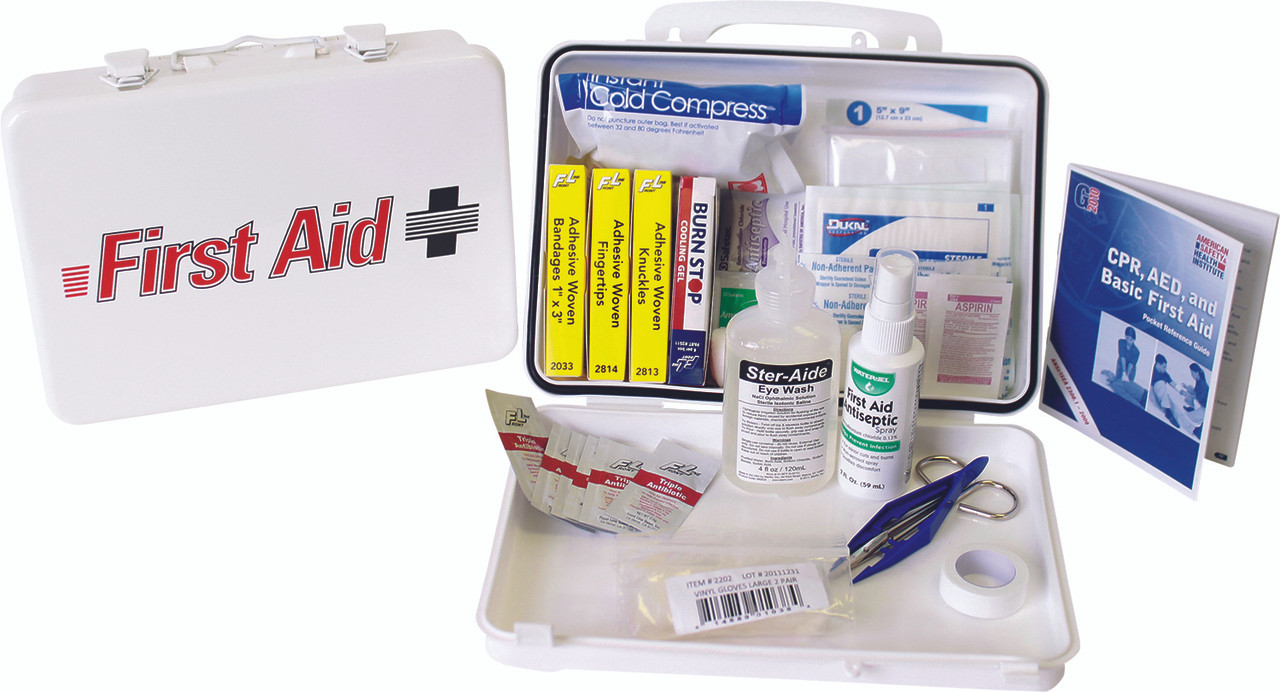
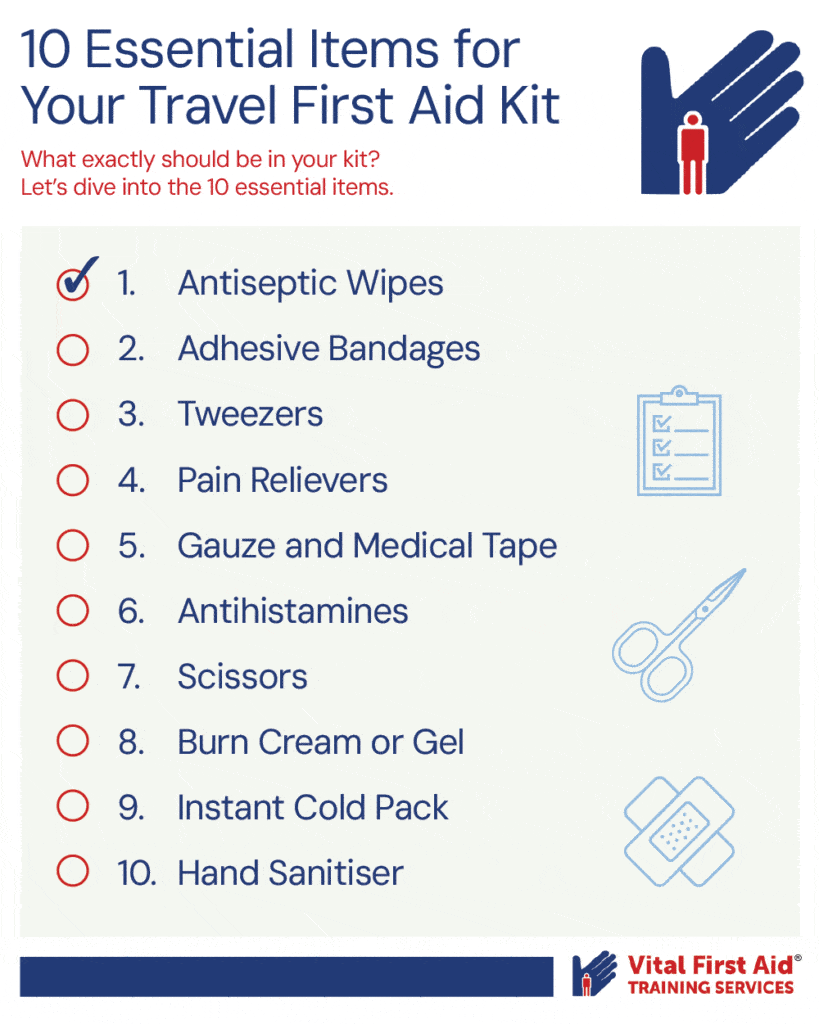
Having a well-stocked first aid kit is essential for handling minor injuries and emergencies at home, during outdoor activities, or while traveling. Here are some key items that should be included in your first aid kit:
Bandages and Dressings
- Gauze pads in various sizes
- Adhesive bandages (band-aids)
- Rolled gauze for wrapping wounds
- Sterile dressings to cover larger wounds
Cleaning and Disinfecting Supplies
- Antiseptic wipes or solution
- Hydrogen peroxide or rubbing alcohol
- Cotton balls or swabs for cleaning wounds
Tools and Instruments
- Tweezers for removing splinters or debris
- Scissors for cutting bandages and dressings
- Thermometer to monitor body temperature
- Tourniquet for controlling severe bleeding (advanced users only)
Medications and Ointments
- Pain relievers such as acetaminophen or ibuprofen
- Allergy medication (antihistamines)
Miscellaneous Items
- Always check the expiration dates of items in your first aid kit and replace any expired items.
- Include a variety of bandages in different sizes and shapes to cover various wounds.
- Add antiseptic wipes or solution to clean wounds before applying bandages.
- Include adhesive tape for securing bandages or splints in place.
- Pack disposable gloves to protect yourself when providing first aid to others.
- Consider including a basic first aid manual or instructions for guidance on how to use the items in your kit.
A first aid manual with instructions on how to use the items in the kit
Emergency contact numbers
Blanket
Scissors
Tweezers
Instant cold packs
Calamine lotion
Hydrocortisone cream
Antibiotic ointment
Antiseptic wipes
Remember to check your first aid kit regularly to ensure that all items are up-to-date and in good condition. Having a well-prepared first aid kit can make a significant difference in providing timely care during unexpected situations.
Essential Tips for Stocking Your First Aid Kit: 6 Must-Have Items and Practices
Always check the expiration dates of items in your first aid kit and replace any expired items.
It is crucial to always check the expiration dates of items in your first aid kit and promptly replace any expired items. Expired products may not be as effective in providing the necessary care during emergencies, potentially compromising the treatment of injuries or illnesses. Regularly reviewing and refreshing your first aid kit ensures that you have reliable supplies readily available when needed, promoting efficient and effective response to medical situations.
Include a variety of bandages in different sizes and shapes to cover various wounds.
To ensure effective wound care in diverse situations, it is crucial to include a variety of bandages in different sizes and shapes in your first aid kit. Having an assortment of bandages allows you to adequately cover various types of wounds, from small cuts and scrapes to larger injuries. By including bandages of different sizes and shapes, you can ensure that you are prepared to provide proper protection and promote faster healing for a range of wounds.
Add antiseptic wipes or solution to clean wounds before applying bandages.
It is crucial to include antiseptic wipes or solution in your first aid kit to clean wounds effectively before applying bandages. Cleaning the wound with antiseptic helps reduce the risk of infection and promotes faster healing. By incorporating this simple step into your first aid routine, you can ensure proper wound care and minimize complications. Remember, a clean wound is the first step towards successful healing and prevention of further issues.
Include adhesive tape for securing bandages or splints in place.
Including adhesive tape in your first aid kit is crucial for securing bandages or splints in place effectively. Adhesive tape provides a secure and reliable way to keep dressings in position, preventing them from shifting or coming loose during movement. Additionally, adhesive tape can be used to immobilize injured limbs by securing splints, offering stability and support until further medical assistance is available. Having adhesive tape on hand ensures that you can properly care for wounds and injuries, promoting faster healing and reducing the risk of complications.
Pack disposable gloves to protect yourself when providing first aid to others.
When assembling your first aid kit, remember to include disposable gloves to protect yourself while providing assistance to others. Disposable gloves serve as a barrier against potential contaminants and help prevent the spread of infections during first aid procedures. By wearing gloves, you not only safeguard your own health but also ensure the safety of the individual receiving care. Always have a supply of disposable gloves on hand to maintain proper hygiene and minimize risks when administering first aid.
Consider including a basic first aid manual or instructions for guidance on how to use the items in your kit.
Consider including a basic first aid manual or instructions in your first aid kit to provide guidance on how to effectively use the items within it. Having access to clear and concise instructions can be invaluable during emergencies, ensuring that you can administer proper care promptly and confidently. A first aid manual can help you understand how to address various injuries and medical situations, making it a crucial addition to your kit for optimal preparedness.