How to Build a Hunting First Aid Kit
A well-stocked first aid kit is essential hunting gear. Cuts, blisters, sprains, burns, allergic reactions, and serious injuries can happen far from a vehicle or medical facility. The right supplies can help you provide care while you contact emergency services or arrange evacuation.
Your kit should match your hunting location, trip length, group size, weather, and medical needs. A short day hunt near town may require less equipment than a remote, multi-day backcountry trip. Just as important as the supplies is knowing how to use them.
Essential Supplies
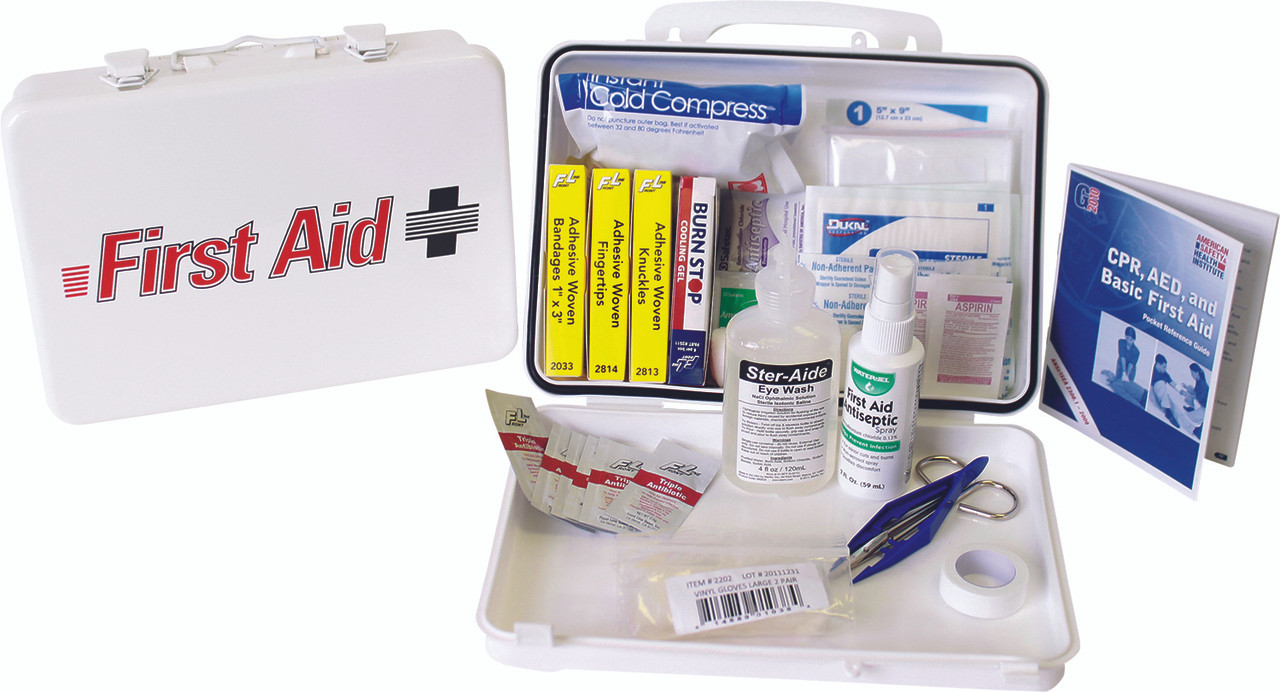
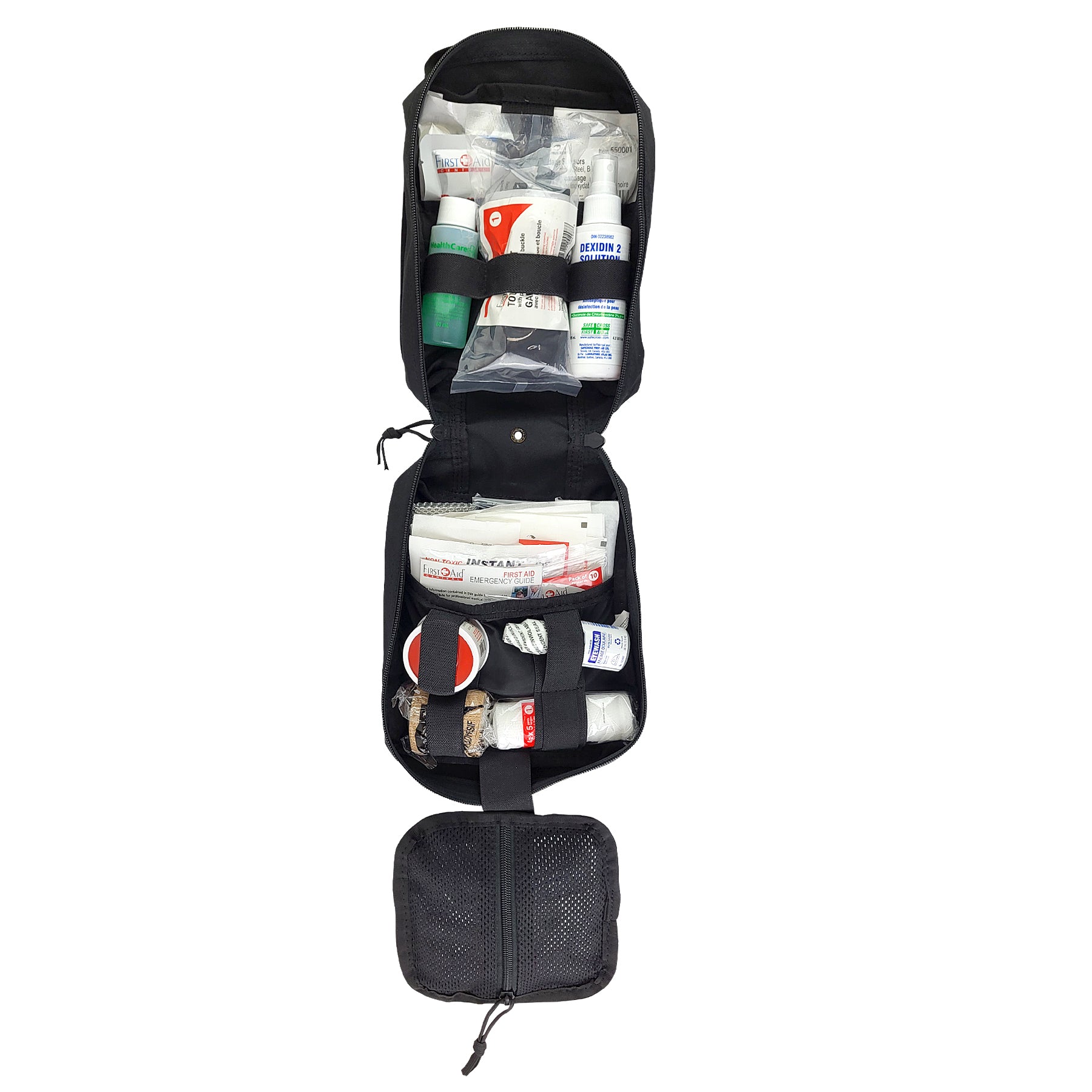
Keep your kit in a durable, waterproof pouch that is easy to find and open. Consider organizing supplies in labeled sections. A basic hunting first aid kit may include:
- Protective gear: Nitrile gloves and a CPR face shield or breathing barrier.
- Wound care: Sterile gauze pads, rolled gauze, adhesive bandages in several sizes, medical tape, and wound-closure strips.
- Bleeding control: A pressure dressing and a commercially made tourniquet. Choose a reputable product and learn its proper use before your trip.
- Cleaning supplies: Sterile saline or clean-water wound-irrigation supplies, antiseptic wipes for surrounding skin, and small packets of antibiotic ointment if appropriate for you.
- Injury support: An elastic wrap, triangular bandage, and a compact splint or materials that can be used to improvise one.
- Common comfort items: Blister pads or moleskin, tweezers, small scissors, and a digital thermometer.
- Emergency protection: An emergency blanket, hand warmers, and a whistle.
- Personal needs: Any required prescription medication, such as an epinephrine auto-injector, plus a written list of medical conditions, allergies, and emergency contacts.
For longer or more remote hunts, consider extra gloves, dressings, water-purification supplies, and backup medications. Avoid adding unfamiliar medications or treatments without understanding their risks and instructions.
Prepare for Hunting-Specific Risks
Hunting often involves firearms, knives, rough terrain, changing weather, and time away from help. Plan for those risks before leaving. Tell someone where you are going and when you expect to return. Share your route and a plan for what to do if you miss your check-in time.
Carry a charged phone, but do not assume you will have cell service. In remote areas, a satellite communicator or personal locator beacon may be appropriate. Learn how to use it before the trip, and keep it accessible rather than buried in a pack.
For firearm-related injuries or other severe bleeding, call emergency services as soon as possible. Apply firm pressure to a wound with clean gauze or a dressing. Use a tourniquet for life-threatening bleeding from an arm or leg only if you have one and know how to apply it. Follow the device’s instructions and emergency dispatcher guidance. Do not remove an embedded object; stabilize it and get urgent medical help.
Know How to Use Your Kit
A first aid kit is only useful if you can find and use its contents under stress. Take a recognized first aid and CPR course, and consider wilderness first aid training if you hunt in remote areas. Training can help you assess an injury, control bleeding, prevent shock, and decide when evacuation is needed.
Before each trip, check that supplies are clean, intact, and within their expiration dates. Replace anything used, damaged, or expired. Keep the kit in the same easy-to-reach place, and make sure everyone in your hunting party knows where it is.
When to Seek Emergency Help
Get emergency help for severe bleeding, trouble breathing, signs of a serious allergic reaction, loss of consciousness, suspected head or spine injury, major burns, or a serious wound. If someone is badly injured, keep them as warm and still as possible, monitor their condition, and follow instructions from emergency services. Do not delay a call for help while trying to manage a serious injury with a kit.
A thoughtfully packed kit, a clear communication plan, and practical training can make a hunting trip safer. Prepare before you head out, and adjust your supplies to the people, conditions, and distance from help involved in each hunt.
Essential First Aid Kit Tips for Hunters: 9 Must-Have Items and Practices
- Pack a compact, waterproof first aid kit.
- Include sterile gauze, bandages, and medical tape.
- Carry a tourniquet and learn how to use it.
- Add wound-cleaning supplies and antiseptic wipes.
- Bring trauma shears and disposable gloves.
- Pack personal medications and allergy treatments.
- Include a first aid guide and emergency contacts.
- Check expiration dates and restock after each trip.
- Tell someone your location and carry a way to call for help.
Pack a compact, waterproof first aid kit.
Pack a compact, waterproof first aid kit so essential supplies stay clean, dry, and ready when you need them. Choose a durable pouch that fits easily in your hunting pack and keep it somewhere easy to reach. Stock it with basics such as gloves, gauze, adhesive bandages, medical tape, and any personal medications, then check and replenish the kit before each trip.
Include sterile gauze, bandages, and medical tape.
Include sterile gauze, adhesive bandages, and medical tape in your hunting first aid kit to help care for cuts and scrapes in the field. Gauze can cover a wound or help apply pressure to bleeding, while bandages and tape hold dressings securely in place. Store supplies in a waterproof pouch and replace anything used, damaged, or no longer sterile.
Carry a tourniquet and learn how to use it.
Carry a commercially made tourniquet in your hunting first aid kit, and learn how to use it before heading into the field. Severe bleeding can become life-threatening quickly, especially when you’re far from help. Training helps you apply the tourniquet correctly under pressure; follow the device’s instructions and emergency dispatcher guidance, and call 911 or activate your emergency communication device as soon as possible.
Add wound-cleaning supplies and antiseptic wipes.
Add wound-cleaning supplies and antiseptic wipes to your hunting first aid kit so you can clean minor cuts and scrapes as soon as possible. Pack sterile saline or another clean-water option to rinse away dirt and debris, along with antiseptic wipes for the surrounding skin. Clean hands and careful wound care can help reduce infection risk, but avoid putting wipes or harsh antiseptics directly into deep wounds; seek medical care for serious, dirty, or worsening injuries.
Bring trauma shears and disposable gloves.
Bring trauma shears and disposable gloves in your hunting first aid kit. Trauma shears can quickly cut clothing or bandages to reach and assess an injury, while disposable gloves help protect you and the injured person from blood and other bodily fluids. Choose sturdy shears and pack several pairs of nitrile gloves in an easily accessible, waterproof pouch.
Pack personal medications and allergy treatments.
Pack any personal medications you may need during the hunt, including enough for the full trip plus a small backup supply. If you have severe allergies, carry your prescribed emergency treatment, such as an epinephrine auto-injector, and make sure it’s easy to reach—not buried in your pack. Check expiration dates before you leave, store medications as directed, and tell your hunting partners where they are and how to help in an emergency.
Include a first aid guide and emergency contacts.
Include a compact first aid guide and a written list of emergency contacts in your hunting kit. In an emergency, clear instructions can help you act quickly, especially when stress makes it hard to remember what to do. Add local emergency numbers, your group members’ contacts, important medical information, and the phone number of someone who knows your hunting location and expected return time. Store the information in a waterproof sleeve, and make sure everyone in your party knows where to find it.
Check expiration dates and restock after each trip.
Check your hunting first aid kit before every trip, and replace any expired, damaged, or used supplies. Even items that seem durable can lose effectiveness over time, while a missing bandage or medication may matter when you need it most. After each hunt, restock what you used and return everything to its designated place so the kit is ready for the next outing.
Tell someone your location and carry a way to call for help.
Before heading out, tell a trusted person where you’ll be hunting, your planned route, and when you expect to return. Carry a fully charged phone, but don’t rely on cell service in remote areas; consider a satellite communicator or personal locator beacon, and learn how to use it before your trip. Keep your communication device accessible so you can call for help quickly if someone is injured or your plans change.