How to Build a First Aid Backpack
A first aid backpack keeps essential medical supplies organized and ready for emergencies at home, on the road, or outdoors. Unlike a small kit kept in one place, a backpack can be carried when you need to evacuate or move between locations. A well-planned pack should be easy to carry, simple to use, and tailored to the people and risks in your household.
Choose the Right Backpack
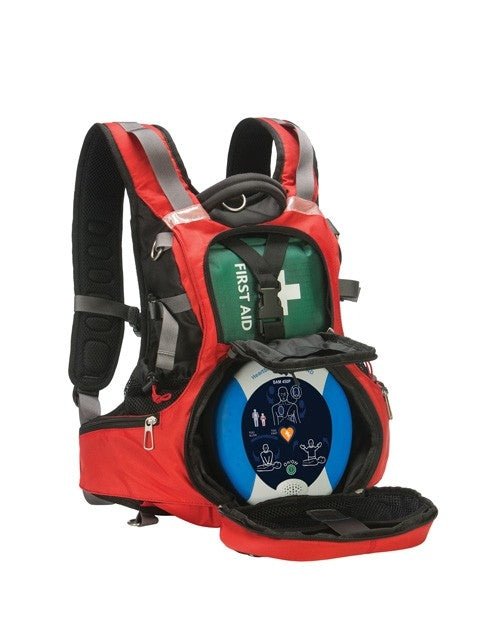
Start with a sturdy, comfortable backpack that has several compartments. Choose a size that can hold your supplies without becoming too heavy to carry. Water-resistant material and clearly labeled pouches can help protect and organize items, but no backpack is completely waterproof. Store critical supplies in sealed plastic bags or waterproof pouches, especially if flooding is a concern.
Keep the backpack somewhere adults can reach quickly, and make sure everyone in the household knows where it is. If you have children, older adults, or people with disabilities at home, plan how the pack will be carried and who will help.
What to Put in a First Aid Backpack
Use a commercially prepared first aid kit as a starting point, then add supplies based on your household’s needs. Consider including:
- Adhesive bandages in assorted sizes
- Sterile gauze pads, roller gauze, and medical tape
- Antiseptic wipes and antibiotic ointment
- Disposable gloves
- Scissors and tweezers
- A digital thermometer
- A cold pack
- A first aid guide and a list of emergency contacts
- Hand sanitizer and a small supply of soap
- Personal prescription medicines and necessary medical supplies
Include any items specific to your family, such as children’s supplies, allergy medication, spare eyeglasses, hearing-aid batteries, or diabetes supplies. Keep medicines in their original packaging when possible, and follow the storage instructions on the label. Do not add prescription medication for someone who has not been instructed to take it.
Make It Useful During an Emergency
A first aid backpack is not a substitute for professional medical care or emergency services. Add a charged phone or backup battery if space allows, and keep emergency numbers and important medical information in a waterproof sleeve. If someone in your household has a serious allergy or medical condition, include clear instructions for caregivers and make sure they know where the necessary supplies are stored.
For flood preparedness, protect supplies from water and keep the backpack near an exit or in a location you can reach quickly. Do not walk or drive through floodwater to retrieve it. Floodwater can contain sewage, chemicals, debris, and other hazards. If authorities tell you to evacuate, follow their instructions and prioritize personal safety over belongings.
Learn How to Use the Supplies
Having supplies is only part of being prepared. Learn basic first aid and CPR through a recognized training course, and read the instructions included with your kit. In a serious emergency, call 911 when available and follow the dispatcher’s guidance. Only provide care that you are trained to give.
Check and Restock Your Backpack
Review the backpack at least twice a year and after using it. Replace expired or damaged items, restock anything that has been used, and check batteries and personal medications. Make sure supplies remain suitable for everyone in the household as needs change.
A thoughtfully packed and regularly checked first aid backpack can make it easier to respond to minor injuries and support your household while help is on the way. Keep it accessible, know what is inside, and pair it with a broader emergency plan.
9 Benefits of a First Aid Backpack for Everyday Emergencies
- Keeps medical supplies organized.
- Easy to carry in an emergency.
- Useful at home, work, or outdoors.
- Helps treat minor injuries quickly.
- Provides quick access to essential items.
- Can be customized for family needs.
- Water-resistant bags help protect supplies.
- Supports emergency preparedness.
- Easy to inspect and restock.
5 Drawbacks of a First Aid Backpack
- Can become heavy and difficult to carry.
- Supplies may expire or degrade over time.
- May not contain items for every medical need.
- Requires regular checking and restocking.
- Cannot replace professional medical care.
Keeps medical supplies organized.
A first aid backpack keeps medical supplies organized so essential items are easier to find when time matters. Separate pockets or labeled pouches can group bandages, medications, gloves, and other supplies, helping you quickly locate what you need without rummaging through a scattered kit.
Easy to carry in an emergency.
A first aid backpack is easy to carry in an emergency, leaving your hands free to open doors, use a phone, or help someone who needs assistance. Its portable design lets you take essential medical supplies with you during an evacuation, on a hike, or while moving between locations. Choose a comfortable pack that’s light enough to carry and keep it in an accessible spot so you can grab it quickly.
Useful at home, work, or outdoors.
A first aid backpack is useful at home, at work, or outdoors because it keeps essential medical supplies together and easy to carry wherever they’re needed. Whether you’re handling a minor injury at home, responding to an incident at the workplace, or treating a scrape on a hike, a portable, organized kit helps you find supplies quickly.
Helps treat minor injuries quickly.
A first aid backpack keeps basic medical supplies organized and easy to carry, so you can quickly find what you need for minor injuries such as small cuts, scrapes, or blisters. Having bandages, gauze, antiseptic wipes, and gloves close at hand can help you provide prompt care while you decide whether additional medical attention is needed.
Provides quick access to essential items.
A first aid backpack provides quick access to essential items when every moment counts. Its supplies are kept together in one portable, organized place, so you can find bandages, gloves, antiseptic wipes, or other basics without searching through drawers or bags. Clearly labeled compartments make it easier to locate what you need and carry it wherever help is needed—at home, on the road, or outdoors.
Can be customized for family needs.
A first aid backpack can be customized to fit your family’s specific needs, making it more useful in an emergency. Along with basic bandages and wound-care supplies, you can include children’s items, prescription medications, allergy supplies, spare eyeglasses, or medical equipment for a family member. Personalizing the contents helps ensure the backpack is ready for the people who may rely on it.
Water-resistant bags help protect supplies.
Water-resistant bags help keep first aid supplies dry and ready to use when conditions are wet or unpredictable. By reducing exposure to rain, splashes, and damp environments, they can help protect items such as bandages, gauze, and medical instructions from moisture damage. For extra protection, place critical supplies in sealed waterproof pouches inside the backpack, since water-resistant materials may not keep everything dry if the bag is submerged.
Supports emergency preparedness.
A first aid backpack supports emergency preparedness by keeping essential medical supplies organized and ready to grab when an unexpected situation occurs. Its portable design makes it easier to take supplies during an evacuation, on a trip, or to another part of the home, helping you respond to minor injuries while waiting for professional assistance.
Easy to inspect and restock.
A first aid backpack is easy to inspect and restock because its supplies can be grouped in labeled pouches or compartments. You can quickly check what’s missing, replace used items, and spot expired or damaged supplies without emptying the entire pack. Regular checks help keep the backpack organized and ready when an emergency arises.
Can become heavy and difficult to carry.
A first aid backpack can become heavy and difficult to carry, especially when it is packed with extra supplies, water, or equipment. This may be a challenge for children, older adults, or anyone with limited mobility, and a bulky pack can slow you down during an evacuation. Choose a size that matches your needs, pack only essential items, and check the weight before an emergency.
Supplies may expire or degrade over time.
One drawback of a first aid backpack is that its supplies may expire or degrade over time, especially if they’re exposed to heat, moisture, or direct sunlight. Adhesives can lose their stickiness, sterile packaging can become damaged, and medications may pass their expiration dates. Check the backpack regularly, replace expired or compromised items, and store it in a cool, dry place so its contents are ready when needed.
May not contain items for every medical need.
A first aid backpack may not contain the supplies needed for every medical situation. Its contents are usually designed for common minor injuries, so specialized needs—such as prescription medications, allergy treatments, or supplies for chronic conditions—may require additional items. Review the pack regularly and tailor it to the people who may use it, while following medical advice and medication storage instructions.
Requires regular checking and restocking.
A first aid backpack is only useful if its supplies are ready when needed, so it requires regular checking and restocking. Medications and antiseptic products may expire, bandages or gloves can be used up, and items may become damaged by heat, moisture, or time in storage. Checking the pack at least twice a year—and after every use—takes time and may add to its upkeep.
Cannot replace professional medical care.
A first aid backpack can help you manage minor injuries and provide basic support while waiting for help, but it cannot replace professional medical care. Serious bleeding, breathing problems, severe burns, suspected fractures, and other urgent conditions require prompt attention from trained medical professionals. Call 911 for emergencies, follow the dispatcher’s instructions, and use only supplies or techniques you’re trained to handle.