The Essential Guide to Building an Emergency Aid Kit
Having a well-stocked emergency aid kit is crucial for handling unexpected situations and providing immediate medical assistance when needed. Whether you are at home, traveling, or facing a natural disaster, having the right supplies can make all the difference in ensuring safety and well-being. Here is a comprehensive guide to help you build your own emergency aid kit:
Basic Supplies
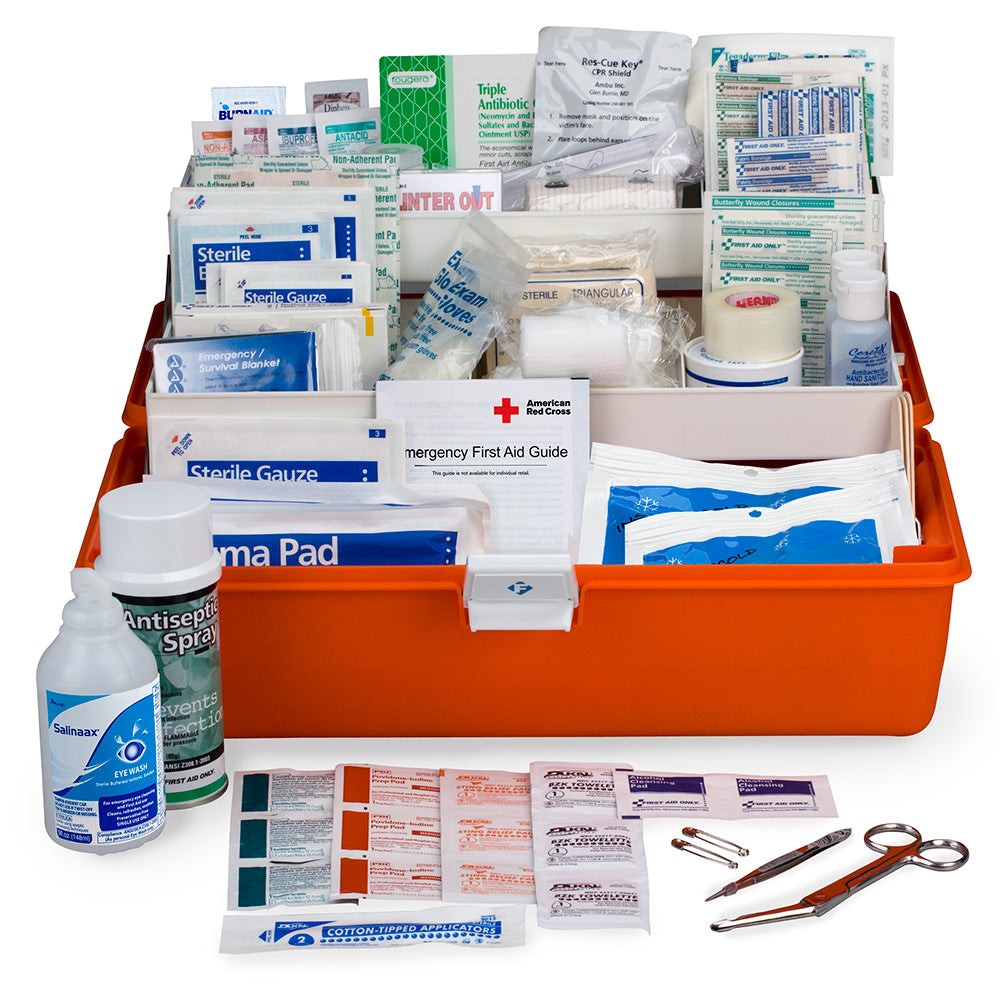
- Bandages of various sizes
- Gauze pads and adhesive tape
- Antiseptic wipes or spray
- Tweezers and scissors
- Disposable gloves
- Cotton balls and swabs
- Pain relievers (e.g., ibuprofen, acetaminophen)
Additional Essentials
- Emergency blanket
- Instant cold packs
- Thermometer
- Safety pins and sewing kit
- Hydrocortisone cream for insect bites or rashes
- Cough drops or throat lozenges
Specialized Items
- EpiPen for severe allergies (if needed)
- Asthma inhaler (if needed)
- Blood sugar monitoring supplies (if diabetic)
- Prescription medications (if applicable)
- Contact lens solution and case (if applicable)
- Sunscreen and lip balm with SPF protection
/ul
In addition to these supplies, it is important to regularly check your emergency aid kit for expired items and replenish any used supplies. Store your kit in a designated, easily accessible location that all family members are aware of.
Remember, being prepared can help you stay calm in emergencies and provide timely assistance to those in need. Build your emergency aid kit today and be ready for whatever comes your way.
Essential Information: Understanding and Stocking Your Aid and Emergency Kits
- What should be in an aid kit?
- What is the meaning of aid kit?
- What is 10 items in a first aid kit?
- What are 10 items in an emergency kit?
What should be in an aid kit?
When assembling an aid kit, it is essential to include a variety of basic supplies such as bandages of different sizes, gauze pads, adhesive tape, antiseptic wipes or spray, tweezers, scissors, and disposable gloves. Additionally, having pain relievers like ibuprofen or acetaminophen can be beneficial. Other important items to consider adding to your aid kit are an emergency blanket, instant cold packs, thermometer, safety pins, and sewing kit. Tailoring your aid kit to include specialized items like an EpiPen for severe allergies or prescription medications if needed ensures that you are well-prepared for various situations. Regularly checking and replenishing your aid kit is crucial to maintaining its effectiveness in times of need.
What is the meaning of aid kit?
An aid kit, commonly known as an emergency first aid kit, is a collection of essential medical supplies and equipment designed to provide immediate assistance in the event of an injury or medical emergency. These kits typically include items such as bandages, antiseptic wipes, pain relievers, and other medical necessities to address minor injuries or stabilize a situation until professional medical help can be obtained. Having a well-prepared aid kit on hand can make a significant difference in ensuring prompt and effective care during unexpected situations.
What is 10 items in a first aid kit?
A standard first aid kit typically contains essential items to address common injuries and medical emergencies. Ten items commonly found in a first aid kit include bandages of various sizes, adhesive tape, antiseptic wipes or spray, gauze pads, disposable gloves, scissors, tweezers, pain relievers such as ibuprofen or acetaminophen, an emergency blanket, and cotton balls. These items are fundamental for treating minor cuts, scrapes, burns, and other injuries that may occur in everyday situations. It is important to regularly check and replenish these supplies to ensure the kit is always ready for use in times of need.
What are 10 items in an emergency kit?
An emergency kit should contain essential items to help you deal with unexpected situations effectively. Ten important items to include in an emergency kit are bandages of various sizes, gauze pads and adhesive tape, antiseptic wipes or spray, tweezers and scissors, disposable gloves, cotton balls and swabs, pain relievers like ibuprofen or acetaminophen, an emergency blanket, instant cold packs, and a thermometer. These items can address common injuries and provide basic medical care during emergencies. It is crucial to customize your emergency kit based on your specific needs and potential risks in your environment.