The Importance of an Emergency Health Kit
During emergencies or natural disasters, having an emergency health kit can make a significant difference in ensuring your well-being and that of your loved ones. An emergency health kit is a collection of essential items that can help you address minor injuries, illnesses, or medical needs when access to professional healthcare may be limited or unavailable.
Key Items to Include in an Emergency Health Kit:
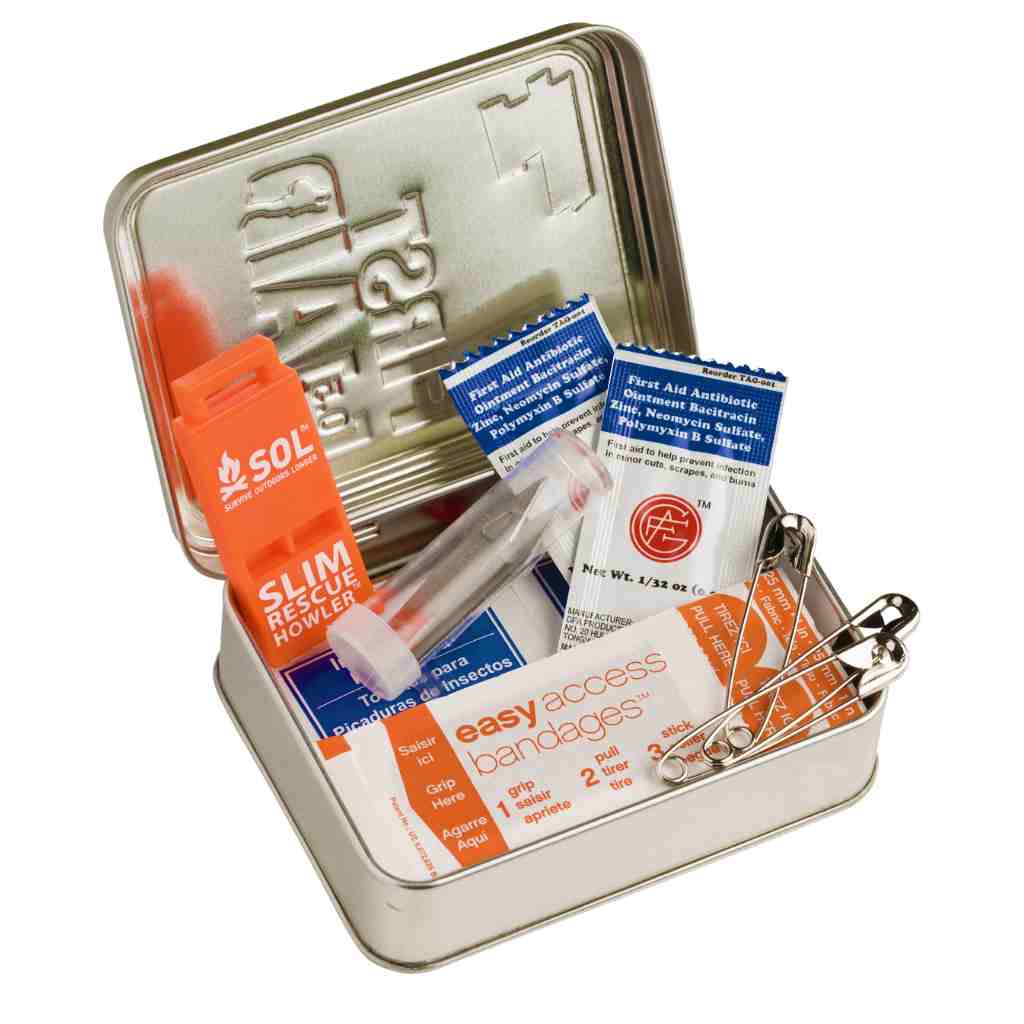
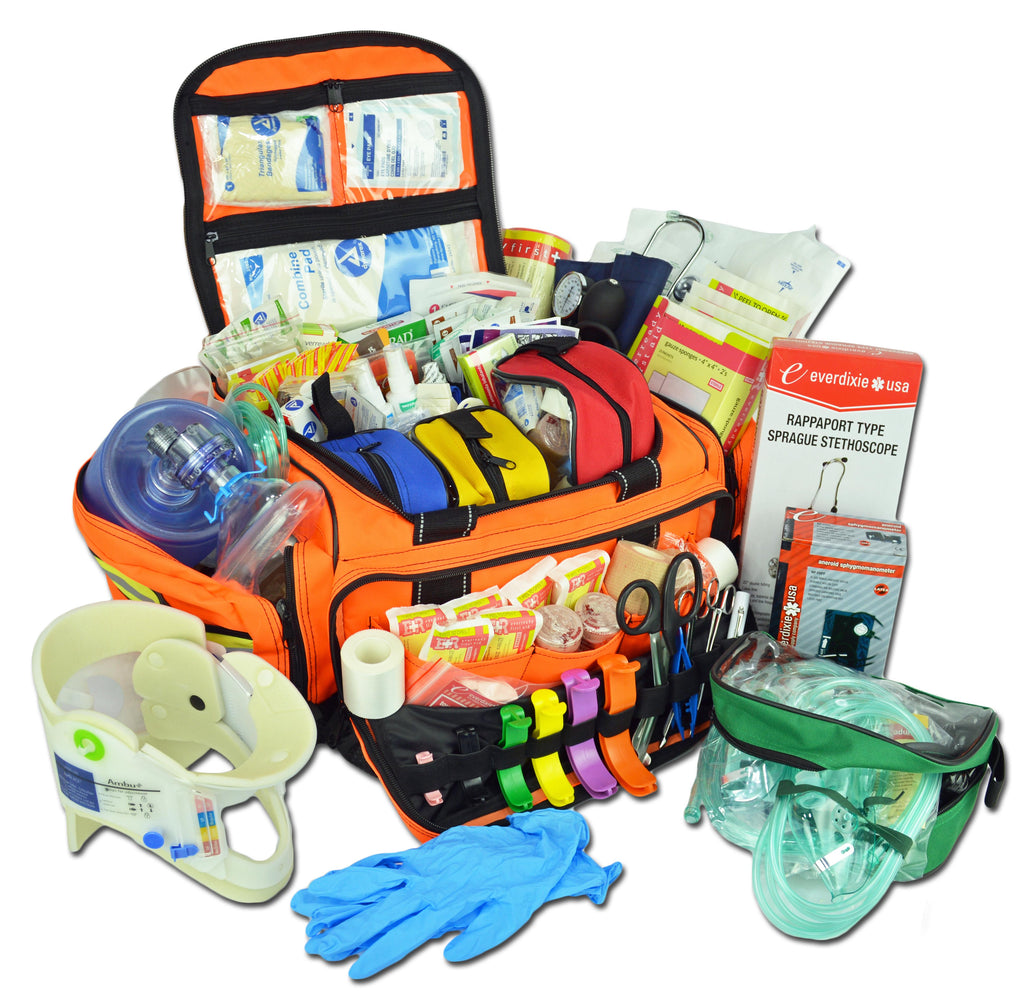
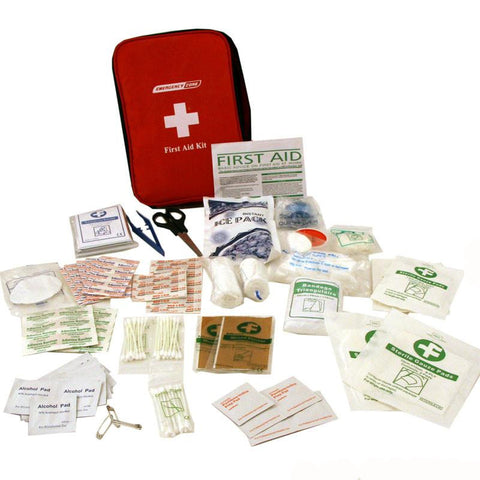
- First Aid Supplies: Bandages, gauze pads, adhesive tape, antiseptic wipes, scissors, tweezers.
- Medications: Include a supply of essential medications for chronic conditions (e.g., asthma inhaler, insulin) and over-the-counter medications like pain relievers and antihistamines.
- Sanitation Supplies: Hand sanitizer, soap, disinfectant wipes, personal hygiene items.
- Emergency Contact Information: List of important contacts including family members, healthcare providers, and emergency services.
- Medical Documents: Copies of important medical records such as prescriptions, allergies, and insurance information.
- Emergency Blanket: Compact thermal blanket for warmth in case of exposure to extreme conditions.
Tips for Maintaining Your Emergency Health Kit:
It is crucial to regularly check and update your emergency health kit to ensure that all items are in good condition and within their expiration dates. Keep the kit in a designated place that is easily accessible to all family members. Review the contents periodically and replace any used or expired items promptly.
In Conclusion
An emergency health kit is a vital component of your overall emergency preparedness plan. By assembling a well-stocked kit with essential supplies tailored to your specific needs, you can better protect yourself and your family during unexpected situations. Remember that being prepared can make all the difference when facing challenging circumstances.
Essential Guide to Emergency Health Kits: FAQs on Contents, Storage, and Customization
- What should I include in an emergency health kit?
- How often should I update my emergency health kit?
- Where should I store my emergency health kit?
- Are there specific medications I should have in my emergency health kit?
- What documents should be included in an emergency health kit?
- How can I customize an emergency health kit for specific medical needs?
- What are the key differences between a basic first aid kit and an emergency health kit?
What should I include in an emergency health kit?
When assembling an emergency health kit, it is essential to include a range of essential items to address potential medical needs during emergencies or natural disasters. Key items to include in your emergency health kit are first aid supplies such as bandages, gauze pads, and antiseptic wipes, medications for chronic conditions and common ailments, sanitation supplies like hand sanitizer and disinfectant wipes, emergency contact information, copies of important medical documents, and an emergency blanket for warmth. Regularly reviewing and updating your emergency health kit ensures that you are prepared to handle minor injuries or medical needs effectively when access to professional healthcare may be limited.
How often should I update my emergency health kit?
It is recommended to update your emergency health kit at least once a year, or more frequently if needed. Regularly reviewing and refreshing the contents of your kit ensures that all items are in good condition, medications are not expired, and supplies are adequate for your current needs. Additionally, any changes in your health status or medication requirements should prompt an immediate update of your emergency health kit to reflect these updates accurately. By staying proactive in maintaining your kit, you can ensure that it remains effective and ready to support you during times of emergency.
Where should I store my emergency health kit?
When considering where to store your emergency health kit, it is important to choose a location that is easily accessible yet protected from potential hazards. Ideally, the storage area should be a designated spot that all household members are aware of. It is recommended to keep the kit in a cool, dry place away from direct sunlight and extreme temperatures. Avoid storing it in areas prone to flooding or other environmental risks. Additionally, consider placing the emergency health kit in a portable container or bag that can be quickly grabbed in case of evacuation. Regularly check the storage location to ensure that all items are intact and up to date, ready for use when needed most.
Are there specific medications I should have in my emergency health kit?
When preparing an emergency health kit, it is important to include specific medications that cater to your individual health needs. Essential medications such as those for chronic conditions like asthma, diabetes, or heart disease should be prioritized. Additionally, over-the-counter medications like pain relievers, antihistamines, and anti-diarrheal drugs can be beneficial in addressing common health issues during emergencies. Consult with your healthcare provider to determine which medications are crucial for your emergency health kit based on your medical history and any existing conditions. Regularly review and update the medication supply in your kit to ensure readiness for unforeseen situations.
What documents should be included in an emergency health kit?
In an emergency health kit, it is important to include essential documents that can provide crucial information about your medical history and facilitate prompt care during emergencies. Key documents to include are a list of current medications, allergies, and medical conditions, as well as copies of prescriptions and insurance cards. Emergency contact information for family members, healthcare providers, and any relevant medical records should also be included. Having these documents readily available in your emergency health kit can help healthcare professionals make informed decisions and ensure you receive appropriate treatment when access to regular medical services may be limited.
How can I customize an emergency health kit for specific medical needs?
When customizing an emergency health kit for specific medical needs, it is important to consider the individual’s unique health requirements and any existing medical conditions. Start by consulting with a healthcare provider to determine which medications, supplies, or equipment are essential for managing the specific medical needs. Include an ample supply of prescribed medications, specialized medical devices, and any necessary documentation detailing the condition and treatment plan. Tailoring the emergency health kit to address specific medical needs ensures that individuals have access to the necessary resources during emergencies or disasters when professional medical assistance may be limited. Regularly review and update the customized kit to ensure its effectiveness in addressing individual health concerns.
What are the key differences between a basic first aid kit and an emergency health kit?
When comparing a basic first aid kit to an emergency health kit, the key differences lie in their scope and purpose. A basic first aid kit typically contains essential items for addressing minor injuries and providing immediate medical assistance in everyday situations. On the other hand, an emergency health kit is more comprehensive and includes a wider range of supplies to manage various medical needs during extended periods of limited access to professional healthcare, such as during natural disasters or emergencies. While a basic first aid kit focuses on immediate care for minor injuries, an emergency health kit is designed to sustain individuals with necessary medications, sanitation supplies, and medical documents for prolonged periods of self-care in challenging circumstances.