The Essential Guide to Building a Prepper Medical Kit
As a prepper, being prepared for emergencies is crucial, and having a well-stocked medical kit is an essential component of any emergency preparedness plan. A prepper medical kit is designed to provide basic medical care during disasters or emergencies when access to professional medical help may be limited or unavailable.
Key Components of a Prepper Medical Kit
When building your prepper medical kit, consider including the following key components:
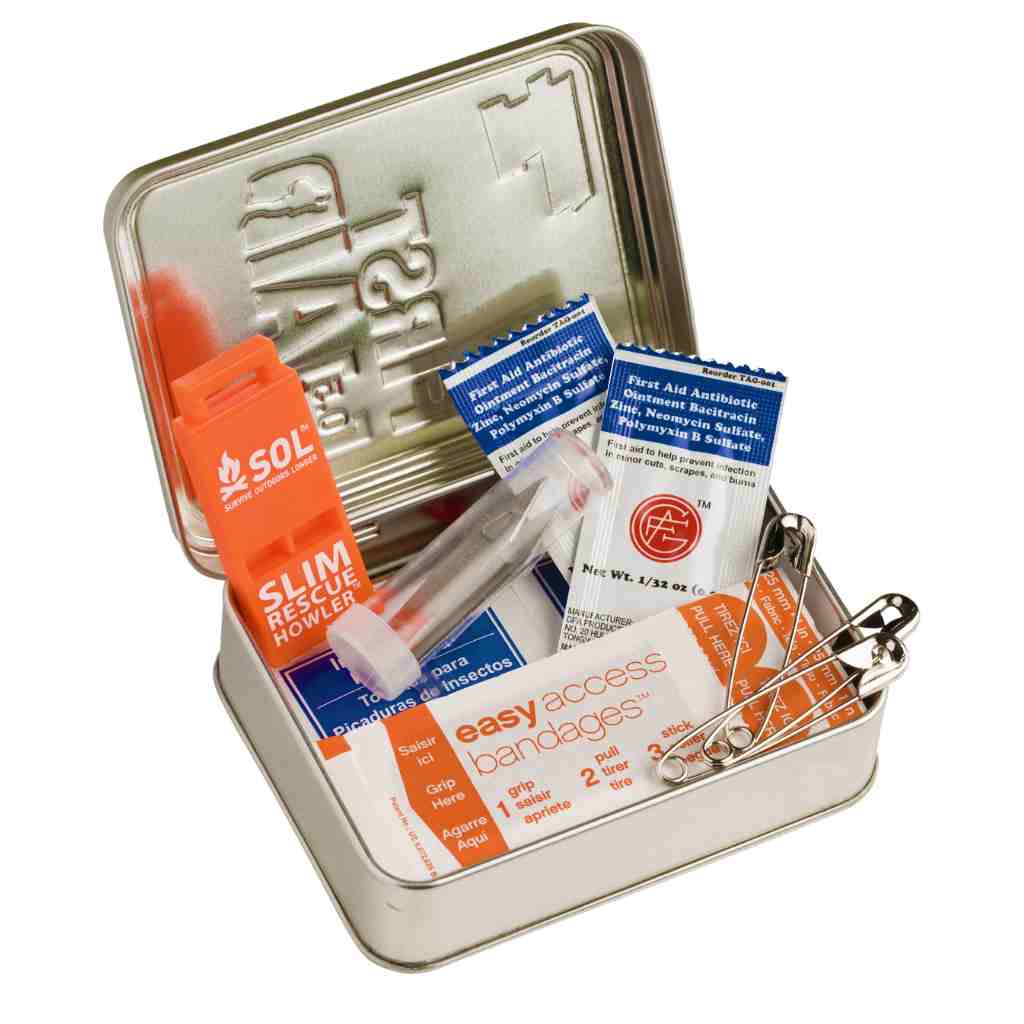
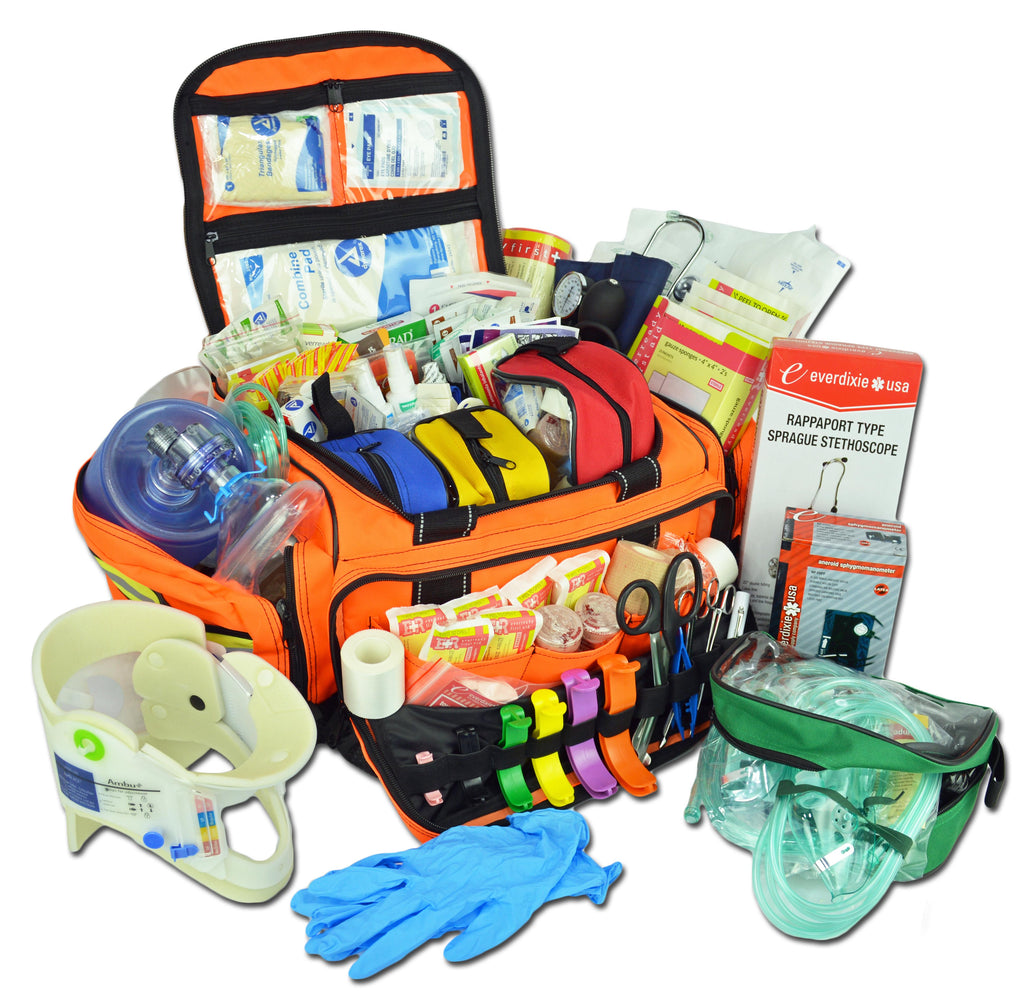
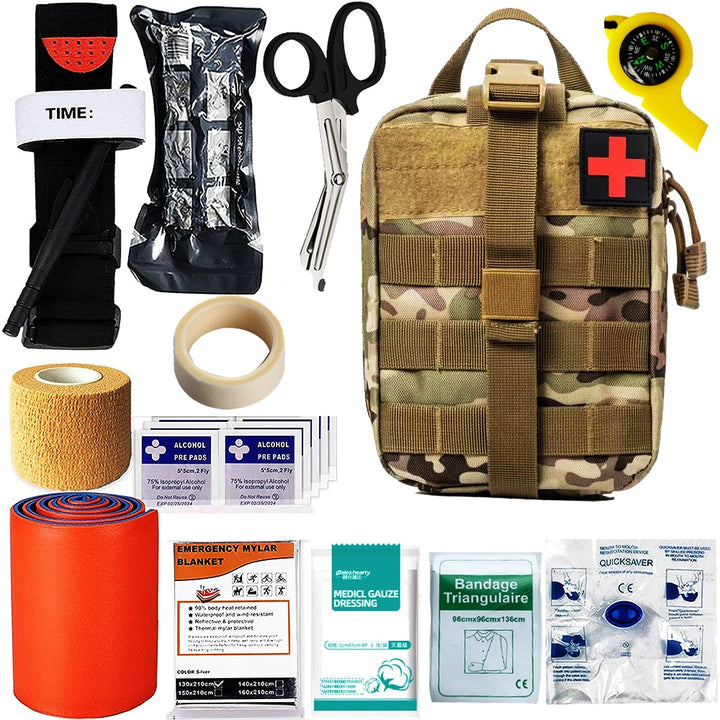
- First Aid Supplies: Bandages, gauze pads, adhesive tape, antiseptic wipes, and scissors.
- Over-the-Counter Medications: Pain relievers, antihistamines, anti-diarrheal medication, and electrolyte packets.
- Personal Medications: Prescription medications for chronic conditions such as asthma or diabetes.
- Medical Tools: Thermometer, tweezers, gloves, and a basic first aid manual.
- Emergency Supplies: Emergency blanket, CPR mask, and hand sanitizer.
Tips for Building and Maintaining Your Prepper Medical Kit
To ensure your prepper medical kit is always ready for use when needed, follow these tips:
- Regularly Check Expiry Dates: Replace expired medications and supplies to maintain effectiveness.
- Cater to Specific Needs: Consider any unique medical needs of family members when stocking your kit.
- Keep It Portable: Store your medical kit in a waterproof container that is easy to carry in case of evacuation.
- Educate Yourself: Take a first aid course to enhance your skills in providing basic medical care during emergencies.
In Conclusion
A well-prepared prepper medical kit can make a significant difference in ensuring the health and safety of you and your loved ones during emergencies. By carefully selecting essential supplies and regularly maintaining your kit, you can be better equipped to handle unexpected situations with confidence.
8 Essential Tips for Building a Comprehensive Prepper Medical Kit
- Include a variety of bandages and dressings for different types of injuries.
- Pack essential medications and first aid supplies, such as pain relievers and antiseptic wipes.
- Add medical tools like scissors, tweezers, and a thermometer to your kit.
- Include items for treating burns, cuts, sprains, and insect bites.
- Pack personal hygiene items like soap, hand sanitizer, and feminine hygiene products.
- Don’t forget to include a first aid manual or guide for reference.
- Regularly check the expiration dates of medications and supplies in your kit.
- Consider any specific medical needs or conditions of you or your family members when stocking the kit.
Include a variety of bandages and dressings for different types of injuries.
When assembling your prepper medical kit, it is important to include a variety of bandages and dressings suited for different types of injuries. Having a diverse selection of bandages ensures that you are prepared to address various wounds, from minor cuts and scrapes to more serious injuries. By including different sizes and types of bandages and dressings, you can effectively manage different levels of trauma and provide appropriate care in emergency situations.
Pack essential medications and first aid supplies, such as pain relievers and antiseptic wipes.
When assembling your prepper medical kit, it is crucial to pack essential medications and first aid supplies to address common health concerns during emergencies. Including items like pain relievers and antiseptic wipes can help alleviate discomfort and prevent infections, ensuring you can provide basic medical care when professional help is not readily available. These supplies are fundamental in promoting quick recovery and maintaining overall well-being in challenging situations.
Add medical tools like scissors, tweezers, and a thermometer to your kit.
Including essential medical tools such as scissors, tweezers, and a thermometer in your prepper medical kit is crucial for providing basic medical care during emergencies. Scissors are versatile for cutting bandages or clothing, tweezers can be used to remove splinters or ticks, and a thermometer helps monitor body temperature. These tools enable you to address minor injuries or illnesses effectively, making your kit more comprehensive and prepared for a range of medical situations that may arise in times of need.
Include items for treating burns, cuts, sprains, and insect bites.
It is essential to include items in your prepper medical kit for treating burns, cuts, sprains, and insect bites. Burns can happen during emergencies, and having burn ointments or dressings can help provide immediate relief. Cuts and wounds should be cleaned and covered with bandages to prevent infection. Sprains may occur during physical activities or evacuations, so having elastic bandages or wraps can support and stabilize injured joints. Additionally, insect bites can lead to allergic reactions or infections, so including antihistamines or anti-itch creams can help alleviate symptoms. Being prepared with these items ensures that you can address a variety of common injuries and conditions effectively in emergency situations.
Pack personal hygiene items like soap, hand sanitizer, and feminine hygiene products.
When assembling your prepper medical kit, it is crucial to include personal hygiene items such as soap, hand sanitizer, and feminine hygiene products. These items are essential for maintaining cleanliness and preventing the spread of infections during emergencies or disasters. Having access to proper hygiene supplies can help ensure the overall well-being and comfort of individuals in challenging situations where regular amenities may be limited or unavailable.
Don’t forget to include a first aid manual or guide for reference.
It is essential to remember to include a first aid manual or guide in your prepper medical kit for reference. Having access to a comprehensive resource that outlines basic first aid procedures and guidelines can be invaluable during emergencies when professional medical help is not readily available. A first aid manual can provide step-by-step instructions on how to address common injuries and illnesses, empowering you to administer proper care effectively. Ensure that your prepper medical kit includes this vital reference tool to enhance your preparedness and response capabilities in times of need.
Regularly check the expiration dates of medications and supplies in your kit.
Regularly checking the expiration dates of medications and supplies in your prepper medical kit is essential to ensure their effectiveness when needed during emergencies. Expired medications may lose their potency or even become harmful, compromising your ability to provide proper care. By staying vigilant and replacing expired items promptly, you can maintain a reliable and functional medical kit that is ready to support you and your loved ones in times of need.
Consider any specific medical needs or conditions of you or your family members when stocking the kit.
When stocking your prepper medical kit, it is essential to consider any specific medical needs or conditions of you or your family members. Tailoring the contents of the kit to accommodate individual requirements, such as prescription medications for chronic conditions like asthma or diabetes, ensures that you are adequately prepared to address unique health concerns during emergencies. By taking into account specific medical needs, you can enhance the effectiveness and relevance of your prepper medical kit in providing essential care when it is needed most.