The Essential First Aid Kit Necessities Every Home Should Have
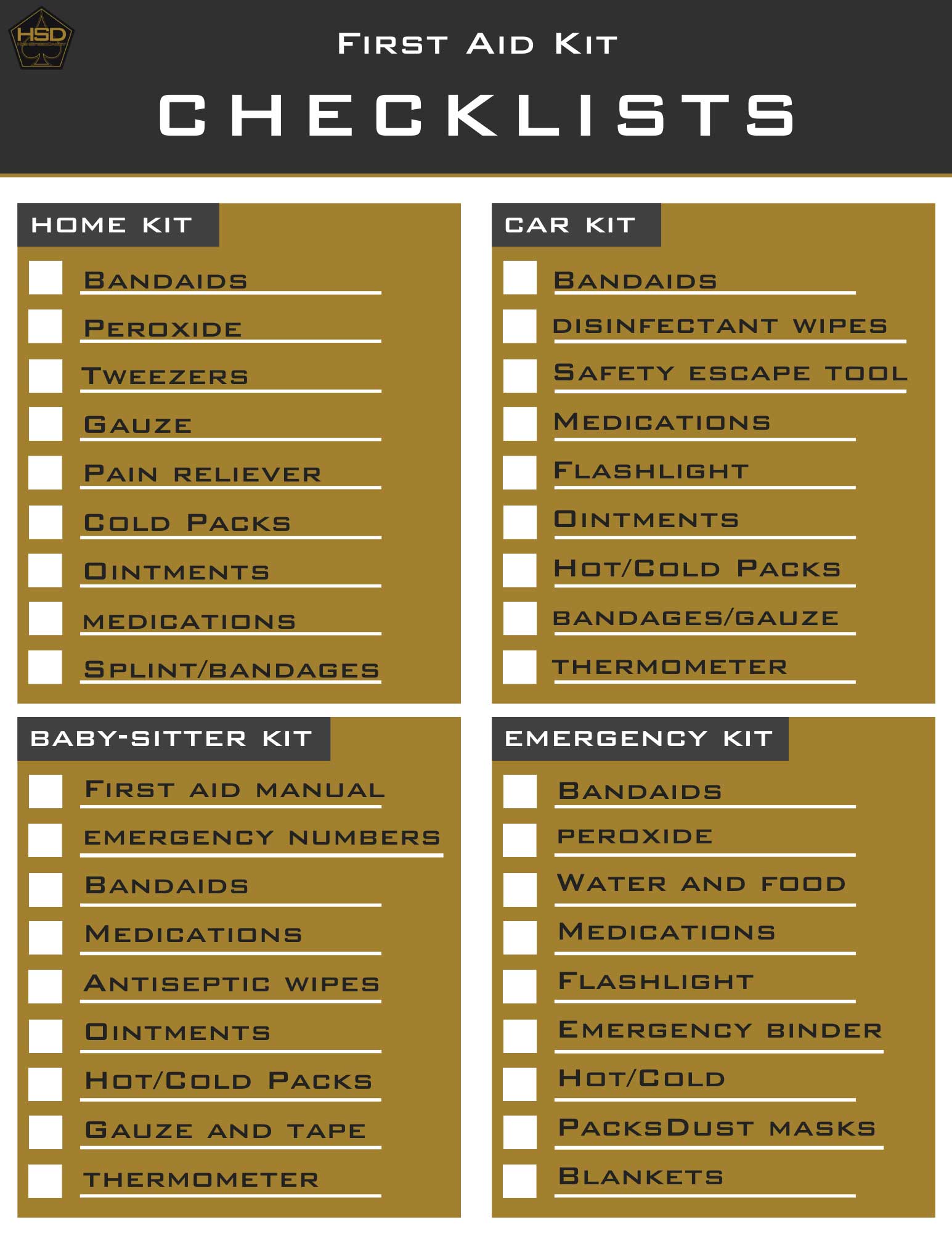
Accidents and emergencies can happen at any time, which is why having a well-equipped first aid kit at home is crucial. Whether it’s a minor cut or a more serious injury, having the right supplies on hand can make all the difference in providing immediate care. Here are some essential items that every first aid kit should contain:
Bandages and Dressings
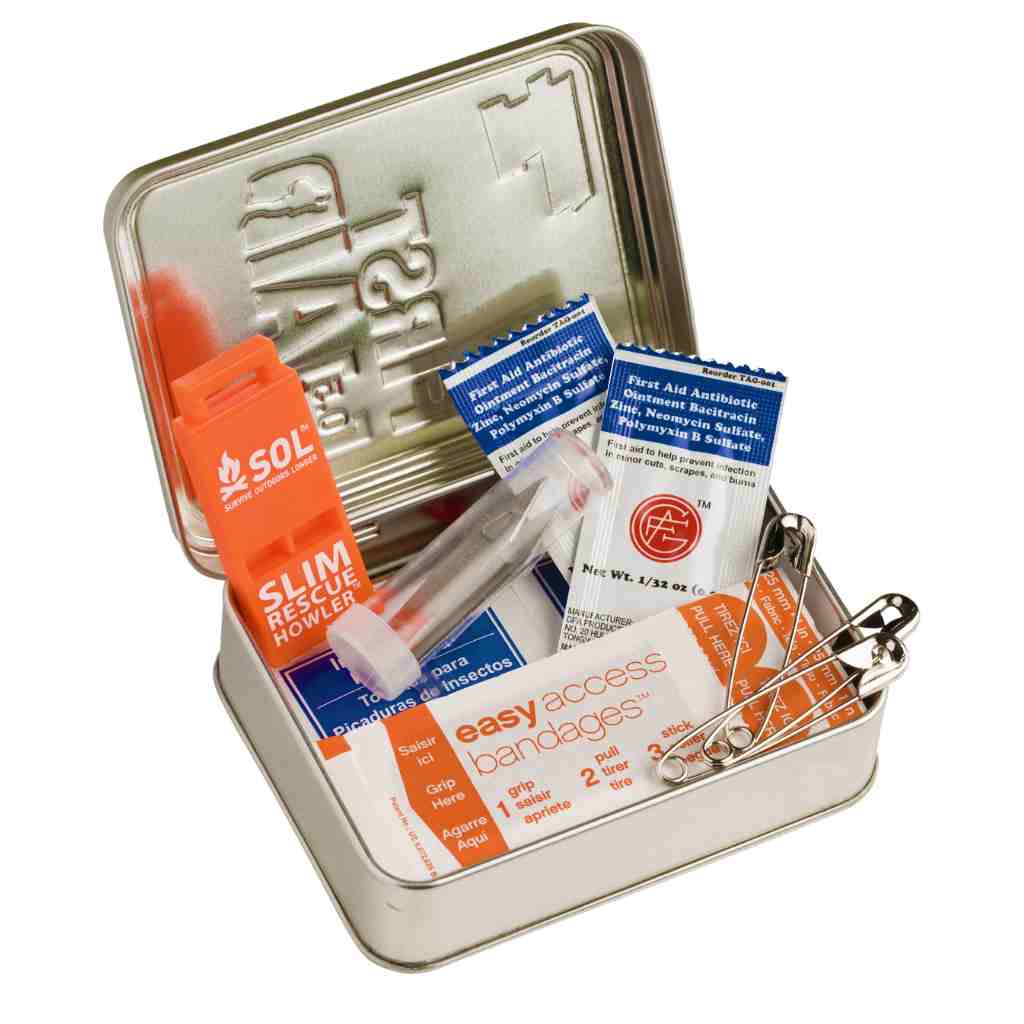
- Sterile adhesive bandages in various sizes
- Gauze pads and rolls
- Adhesive tape for securing dressings
- Triangular bandages for making slings
Cleansing and Disinfecting Supplies
- Antiseptic wipes or solution for cleaning wounds
- Hydrogen peroxide or rubbing alcohol for disinfecting tools and surfaces
- Cotton balls or swabs for applying antiseptics
Tools and Instruments
- Scissors for cutting bandages and clothing if needed
- Tweezers for removing splinters or debris from wounds
- Thermometer to monitor body temperature in case of fever or illness
- Gloves to protect against contamination during treatment
Pain Relief and Medications
- Pain relievers such as acetaminophen or ibuprofen for minor aches and pains
- Antihistamines for allergic reactions or insect bites/stings
- Note: It’s important to regularly check your first aid kit to ensure that supplies are up-to-date, medications have not expired, and that you have all the necessary items for treating common injuries. Being prepared with a well-stocked first aid kit can help you respond effectively in times of need.
Essential First Aid Kit Guide: Must-Have Items, Restocking Tips, Recommended Medications, Specialized Tools, and Usage Instructions
- What essential items should be included in a basic first aid kit?
- How often should I check and restock my first aid kit supplies?
- Are there any specific medications that are recommended for inclusion in a first aid kit?
- Do I need to include specialized items like CPR masks or splints in my first aid kit?
- Can you provide guidance on how to use the different items in a first aid kit effectively?
What essential items should be included in a basic first aid kit?
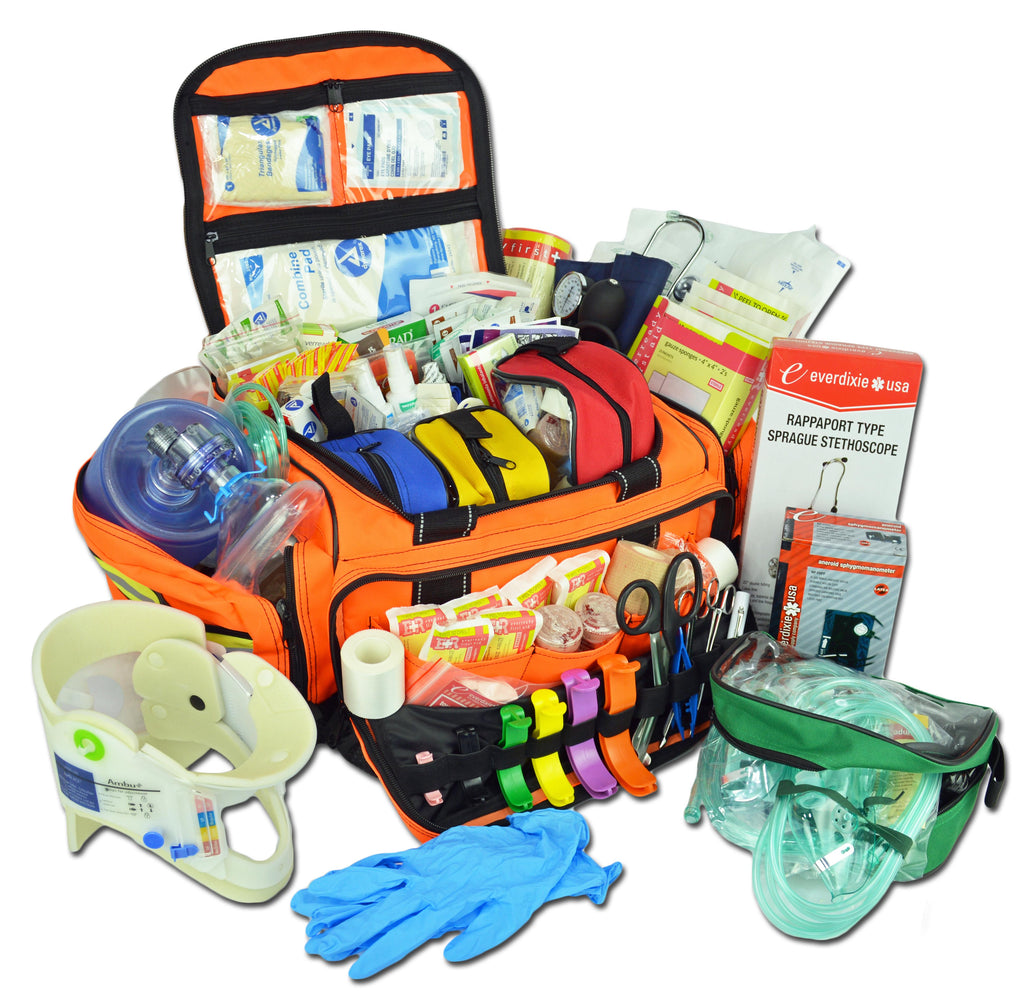
When assembling a basic first aid kit, it is important to include essential items that can address common injuries and emergencies. Some key necessities to consider are adhesive bandages in various sizes for covering cuts and scrapes, sterile gauze pads and rolls for wound dressing, adhesive tape for securing bandages in place, antiseptic wipes or solution for cleaning wounds, and scissors for cutting bandages or clothing if needed. Additionally, it is recommended to include tweezers for removing splinters or debris, pain relievers such as acetaminophen or ibuprofen, and gloves to protect against contamination during treatment. By including these essential items in a basic first aid kit, you can be better prepared to provide immediate care in times of need.
How often should I check and restock my first aid kit supplies?
It is recommended to check and restock your first aid kit supplies at least every six months to ensure that all items are up-to-date and in good condition. Regularly inspecting your first aid kit allows you to replace any expired medications, replenish used supplies, and add any new items that may be necessary. By maintaining a well-stocked and current first aid kit, you can be better prepared to respond effectively to emergencies or injuries as they arise.
Are there any specific medications that are recommended for inclusion in a first aid kit?
When it comes to including medications in a first aid kit, there are a few key items that are commonly recommended for various situations. Pain relievers such as acetaminophen or ibuprofen can be helpful for addressing minor aches and pains. Antihistamines are often suggested for allergic reactions or insect bites/stings. However, it’s important to consult with a healthcare professional or pharmacist to determine the most appropriate medications based on individual needs and any existing medical conditions. Additionally, always check the expiration dates of medications in your first aid kit and replace them as needed to ensure their effectiveness when required.
Do I need to include specialized items like CPR masks or splints in my first aid kit?
When considering the contents of your first aid kit, it’s important to evaluate your level of preparedness and the potential risks you may encounter. While items like CPR masks and splints are considered specialized, they can be invaluable in certain emergency situations. CPR masks provide a barrier for performing mouth-to-mouth resuscitation, reducing the risk of infection transmission, while splints can help stabilize fractures or injuries before professional medical help arrives. Including these specialized items in your first aid kit can enhance your ability to provide effective care in more serious medical emergencies.
Can you provide guidance on how to use the different items in a first aid kit effectively?
When it comes to using the items in a first aid kit effectively, proper guidance is essential to ensure that you can provide timely and appropriate care in emergency situations. Understanding how to use bandages, dressings, cleansing supplies, tools, and medications correctly can make a significant difference in the outcome of treating injuries. It is important to familiarize yourself with the instructions for each item in your first aid kit and consider taking a basic first aid training course to learn proper techniques for wound care, splinting, and other essential skills. By being prepared and knowledgeable about the items in your first aid kit, you can confidently respond to emergencies and provide necessary assistance when needed.