The Importance of Having an Emergency Response Plan
Emergencies can happen unexpectedly, and having a well-thought-out emergency response plan in place can make all the difference in ensuring the safety and well-being of individuals and communities. An emergency response plan is a crucial document that outlines procedures to follow in the event of a disaster or crisis.
Key Components of an Emergency Response Plan
An effective emergency response plan typically includes:
- Emergency Contact Information: List of key contacts, including emergency services, local authorities, and designated response team members.
- Evacuation Procedures: Clear guidelines on how to safely evacuate the premises or area in case of an emergency.
- Communication Protocols: Methods for communicating with individuals during an emergency, such as using alarms or designated communication channels.
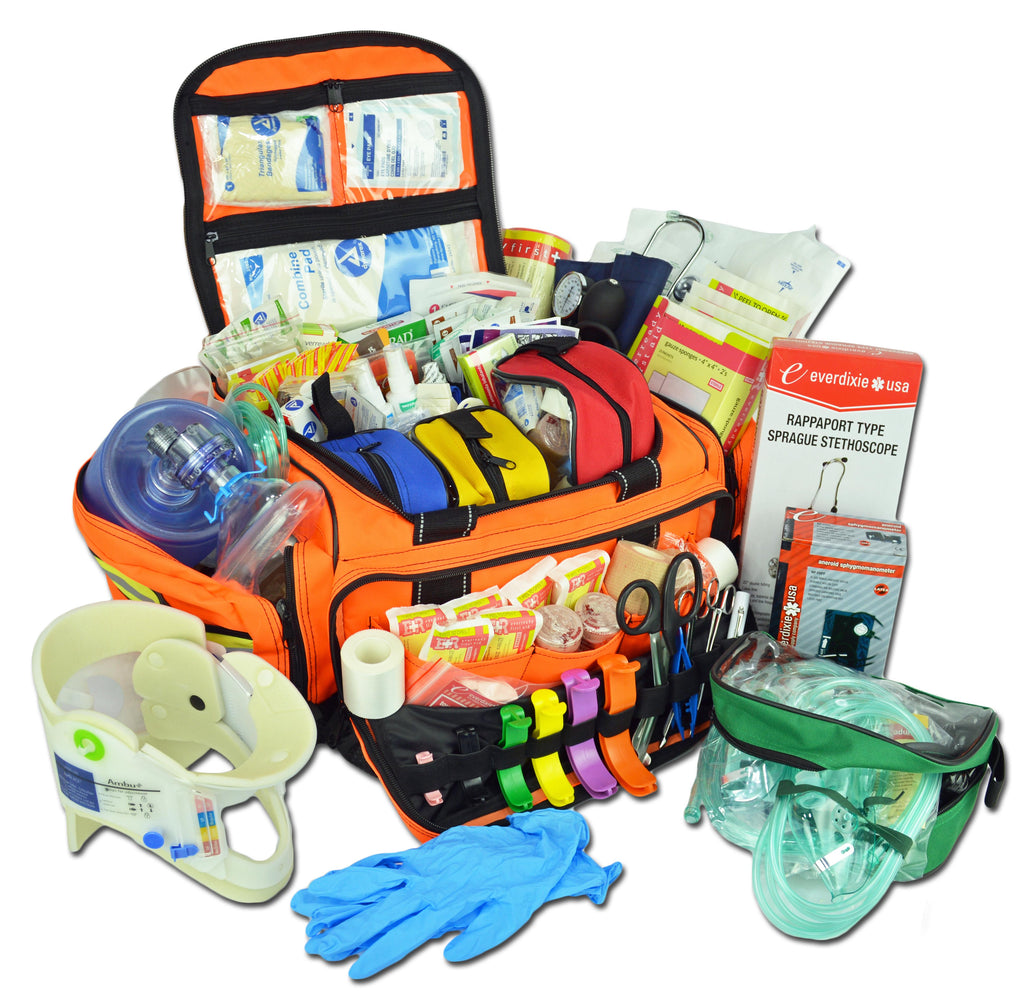
- Resource Allocation: Allocation of resources such as medical supplies, food, water, and shelter for those affected by the emergency.
- Training and Drills: Regular training sessions and drills to ensure that individuals are familiar with the emergency procedures and can respond effectively.
The Benefits of an Emergency Response Plan
Having a well-prepared emergency response plan offers several benefits:
- Rapid Response: A structured plan enables quick decision-making and response during emergencies, reducing potential risks and damages.
- Safety and Security: Ensures the safety and security of individuals by providing clear guidance on how to respond to different types of emergencies.
- Mitigation of Losses: Minimizes potential losses by outlining preventive measures and effective response strategies.
- Community Resilience: Strengthens community resilience by fostering preparedness and coordination among residents, organizations, and authorities.
In Conclusion
In conclusion, developing an emergency response plan is a proactive measure that can save lives, protect property, and enhance overall resilience in the face of emergencies. By investing time and resources into creating a comprehensive plan tailored to specific risks and needs, individuals and communities can better prepare for unforeseen events and mitigate their impact effectively.
6 Essential Tips for Developing an Effective Emergency Response Plan
- Establish a chain of command for clear communication.
- Train employees regularly on emergency procedures.
- Conduct drills to practice responses to different scenarios.
- Create and maintain an updated list of emergency contacts.
- Designate evacuation routes and meeting points.
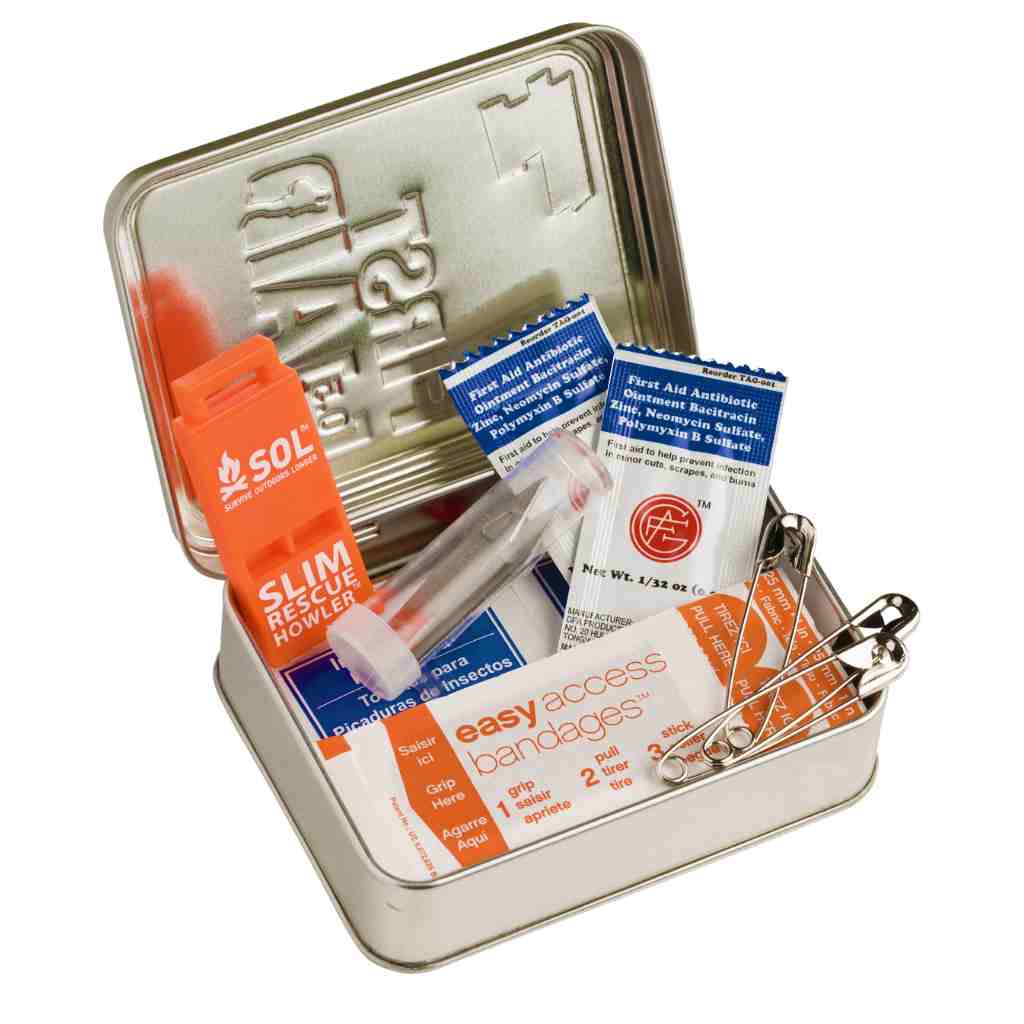
- Provide necessary resources like first aid kits and emergency supplies.
Establish a chain of command for clear communication.
Establishing a chain of command within an emergency response plan is crucial for ensuring clear communication and effective decision-making during crises. By defining roles and responsibilities within the hierarchy, individuals know whom to report to, who is in charge of specific tasks, and how information should flow within the organization. This structured approach not only streamlines communication but also helps maintain order and coordination in high-stress situations, ultimately enhancing the overall efficiency and success of the emergency response efforts.
Train employees regularly on emergency procedures.
Training employees regularly on emergency procedures is a critical aspect of ensuring a swift and effective response during crises. By conducting regular training sessions, employees become familiar with the necessary protocols and actions to take in various emergency scenarios. This not only enhances their preparedness but also instills confidence and readiness to handle emergencies calmly and efficiently. Continuous training helps reinforce key procedures, improves response times, and ultimately contributes to a safer work environment for all individuals involved.
Conduct drills to practice responses to different scenarios.
To enhance preparedness and effectiveness in emergency situations, it is essential to conduct drills to practice responses to various scenarios. By simulating different emergency scenarios through drills, individuals and teams can familiarize themselves with the appropriate procedures, test communication protocols, and identify areas for improvement. Regular practice not only builds confidence but also ensures a swift and coordinated response when faced with real-life emergencies. Conducting drills helps reinforce the importance of an emergency response plan and enhances overall readiness to handle unexpected situations with efficiency and effectiveness.
Create and maintain an updated list of emergency contacts.
Creating and maintaining an updated list of emergency contacts is a crucial tip in developing an effective emergency response plan. This list should include essential contacts such as local emergency services, medical facilities, designated response team members, and key personnel. Ensuring that contact information is current and easily accessible can significantly streamline communication during emergencies, enabling swift coordination and response efforts to protect lives and property. Regularly reviewing and updating the list of emergency contacts is vital to ensure that the right individuals can be reached promptly in times of crisis.
Designate evacuation routes and meeting points.
In an effective emergency response plan, it is crucial to designate clear evacuation routes and establish designated meeting points for individuals to gather safely. By identifying primary and alternative evacuation routes in advance, organizations and communities can ensure a swift and orderly evacuation process during emergencies. Additionally, establishing meeting points outside the affected area helps to account for all individuals and facilitates efficient communication and coordination among responders and evacuees. Planning and practicing these procedures are essential steps in enhancing preparedness and ensuring the safety of everyone involved in emergency situations.
Provide necessary resources like first aid kits and emergency supplies.
Providing necessary resources such as first aid kits and emergency supplies is a critical aspect of an effective emergency response plan. In times of crisis, having access to essential items can make a significant difference in addressing injuries, ensuring basic needs are met, and enhancing overall safety and well-being. By including provisions for these resources in the emergency response plan, organizations and individuals can better prepare for emergencies and respond promptly and effectively to mitigate potential risks and support those in need.