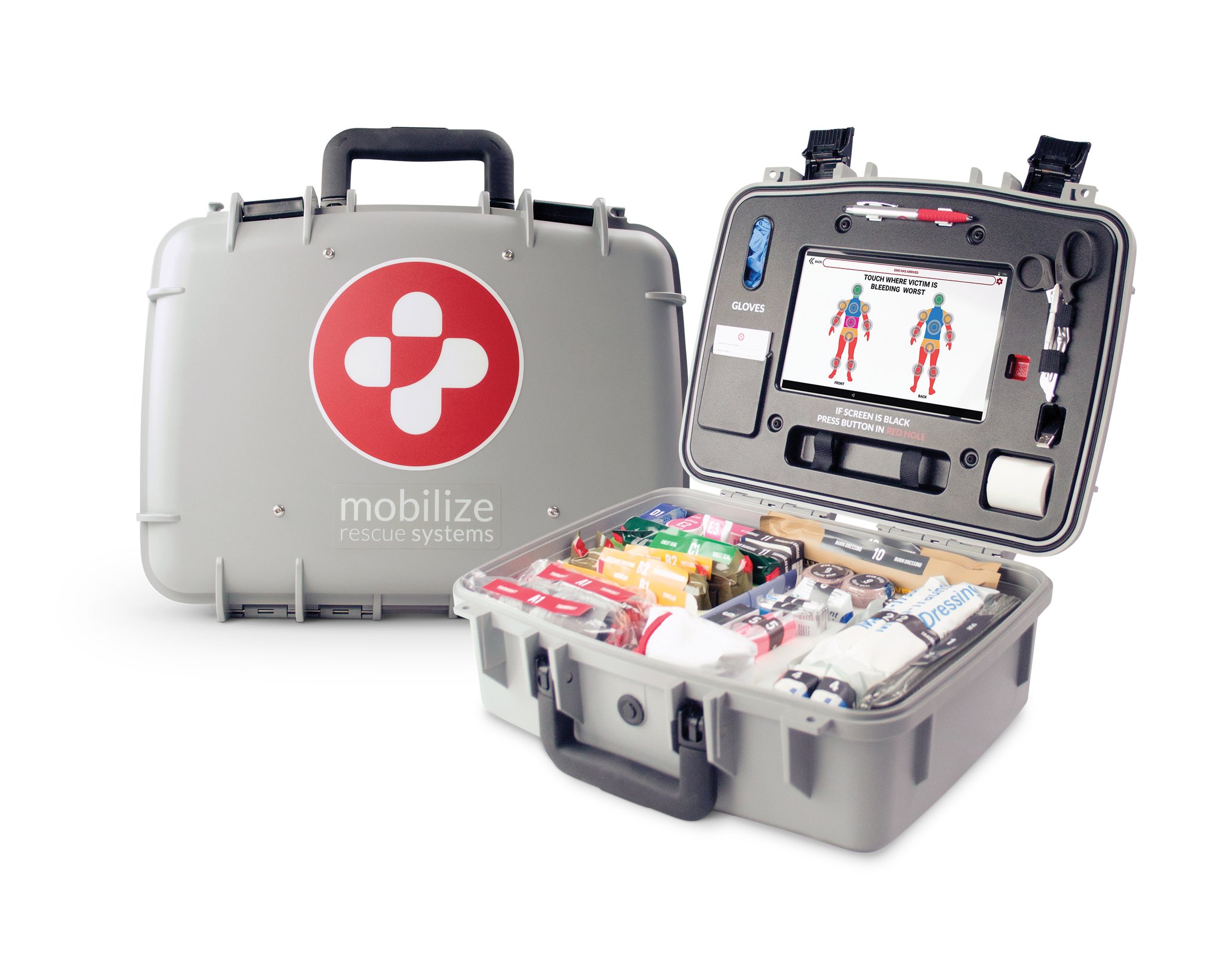
Trauma Medical Kit: What to Include and How to Use It
A trauma medical kit is a collection of supplies for responding to serious injuries, especially life-threatening bleeding, until professional medical help arrives. It can be useful at home, in a vehicle, at work, or during outdoor activities. A kit is not a substitute for emergency services or hands-on training, but having the right supplies—and knowing how to use them—can help you act quickly.
When to Call for Emergency Help
Call 911 for severe bleeding, a deep or penetrating wound, a major burn, a serious head or chest injury, or any situation that may be life-threatening. Put the call on speakerphone if possible so you can follow the dispatcher’s instructions while helping. Make sure the scene is safe before approaching, and use disposable gloves or other protective barriers when available.
Core Supplies for a Trauma Kit
Contents should reflect your likely needs, the size of the kit, and your training. Common supplies include:
- Commercial tourniquet: For severe bleeding from an arm or leg. Choose a reputable, proven model and learn how to apply it through hands-on instruction.
- Hemostatic gauze: Gauze treated to help control bleeding when used as directed. It is typically packed firmly into an appropriate wound and held with pressure; follow the product instructions and your training.
- Compressed gauze and sterile dressings: Useful for applying firm pressure and covering wounds.
- Pressure bandage: Helps secure dressings and maintain pressure on an injury.
- Medical gloves and protective eyewear: Reduce exposure to blood and other body fluids.
- Trauma shears: Help cut clothing so an injury can be seen and treated.
- Emergency blanket: Helps reduce heat loss while waiting for emergency responders.
- Permanent marker: Can be used to record the time a tourniquet was applied, if you are trained to do so.
- Basic first-aid items: Adhesive bandages, small dressings, and antiseptic wipes may be useful for less serious injuries, though they are not a substitute for major-bleeding supplies.
Keep items in clearly labeled, durable packaging. A compact kit may cover basic bleeding-control needs, while a larger workplace or vehicle kit may include additional supplies. Avoid adding equipment that requires advanced skills unless the intended users have the appropriate training.
Basic Steps for a Bleeding Emergency
- Check for danger. Do not enter an unsafe area. Put on gloves if available.
- Call 911. Give the location and a brief description of the injury.
- Expose the wound. Use trauma shears if needed, while avoiding unnecessary movement of the injured person.
- Apply firm, direct pressure. Use gauze or a clean dressing. For a deep wound, wound packing should only be done when appropriate and preferably by someone trained.
- Use a tourniquet for life-threatening bleeding from an arm or leg if one is available and you know how to use it. Follow the device instructions and dispatcher guidance. Do not loosen or remove it; leave that to medical professionals.
- Stay with the person. Keep them as comfortable and warm as possible, monitor their condition, and follow the 911 dispatcher’s instructions until help arrives.
Do not remove an object embedded in a wound. Apply pressure around it, not directly on it. Do not give food, drink, or medication to someone with a serious injury unless emergency professionals instruct you to do so.
Training Matters
Owning a trauma kit is only part of being prepared. Consider taking an in-person bleeding-control or first-aid course from a reputable provider. Training can help you recognize life-threatening bleeding, use supplies correctly, and stay calm under pressure. Check whether the kit’s contents match your level of training and the needs of the people who may use it.
Check and Maintain Your Kit
Inspect your kit regularly—at least every few months and after any use. Replace opened, damaged, or expired items, and make sure supplies remain clean and accessible. Store the kit where it can be reached quickly, but protect it from excessive heat, moisture, and direct sunlight. Tell household members or coworkers where it is kept.
Prepare Before an Emergency
A well-maintained trauma medical kit, practical training, and a plan for calling emergency services can make a meaningful difference during an emergency. Choose supplies suited to your setting, learn how to use them safely, and call 911 whenever an injury may be life-threatening.
5 Key Benefits of a Trauma Medical Kit for Emergency Preparedness
- Helps control severe bleeding.
- Keeps emergency supplies in one place.
- Supports faster first aid while help is coming.
- Useful at home, work, or on the road.
- Promotes preparedness when paired with training.
6 Drawbacks of a Trauma Medical Kit
- Can be expensive to assemble.
- Requires regular inspection and restocking.
- Supplies may expire or become damaged.
- Some items require hands-on training.
- May be bulky to carry.
- Cannot replace professional medical care.
Helps control severe bleeding.
A trauma medical kit can help control severe bleeding by providing supplies such as gauze, pressure dressings, and tourniquets. Used promptly and correctly, these items can help limit blood loss while emergency services are on the way. Knowing how to use the supplies is essential, so consider taking a hands-on bleeding-control course and always call 911 for life-threatening injuries.
Keeps emergency supplies in one place.
A trauma medical kit keeps essential emergency supplies organized in one place, making them easier to find when time matters. Instead of searching through drawers or bags for gauze, gloves, or a tourniquet, you can quickly access the items you need and focus on helping the injured person.
Supports faster first aid while help is coming.
A trauma medical kit can help people provide faster first aid while emergency services are on the way. Having supplies such as gauze, dressings, gloves, and a tourniquet readily available can make it easier to respond promptly to serious bleeding or injuries. When used by someone with appropriate training and alongside guidance from 911 dispatchers, these supplies can help bridge the gap until professional care arrives.
Useful at home, work, or on the road.
A trauma medical kit is useful at home, at work, or on the road because serious injuries can happen almost anywhere. Keeping one in an easy-to-reach location lets you respond quickly while waiting for emergency services, whether an accident occurs in the kitchen, at a job site, or during a trip. Choose a kit suited to your setting, check its supplies regularly, and learn how to use them safely.
Promotes preparedness when paired with training.
A trauma medical kit promotes preparedness when it’s paired with hands-on training. Knowing where supplies are and how to use them can help you respond more confidently to severe bleeding or other emergencies while waiting for professional help. Regular practice also helps you recognize when to call 911 and use equipment safely.
Can be expensive to assemble.
A trauma medical kit can be expensive to assemble, especially when it includes quality bleeding-control supplies, protective equipment, and durable storage. Costs may rise further when kits are needed for multiple vehicles, workplaces, or family members. To manage the expense, prioritize essential supplies, compare reputable products, and build the kit gradually—but avoid choosing unreliable equipment just because it is cheaper.
Requires regular inspection and restocking.
A trauma medical kit requires regular inspection and restocking to ensure it’s ready when an emergency happens. Supplies can expire, become damaged, or get used without being replaced, so it’s important to check the kit periodically, replace missing or outdated items, and make sure everything is clean and accessible. This ongoing upkeep takes time and may add to the kit’s overall cost.
Supplies may expire or become damaged.
Trauma medical kit supplies may expire or become damaged over time, especially if exposed to heat, moisture, or rough handling. Expired or compromised items may not work as intended when needed, so check the kit regularly, replace anything past its expiration date or damaged packaging, and store supplies in a cool, dry place.
Some items require hands-on training.
Some items in a trauma medical kit, such as tourniquets and hemostatic gauze, require hands-on training to use safely and effectively. Without practice, someone may hesitate or use the supplies incorrectly during an emergency. Taking a hands-on bleeding-control or first-aid course can help users understand when and how to use these items.
May be bulky to carry.
One drawback of a trauma medical kit is that it may be bulky to carry, especially when it contains supplies for a range of serious injuries. Its size and weight can make it inconvenient to keep in a backpack, vehicle, or work area, so it’s important to choose a kit that balances portability with the supplies you may need.
Cannot replace professional medical care.
A trauma medical kit can help provide immediate first aid, but it cannot replace professional medical care. Serious injuries may require specialized treatment, equipment, and medical judgment that a kit—and an untrained user—cannot provide. Call 911 for life-threatening injuries, follow the dispatcher’s instructions, and use the kit only as a temporary measure while waiting for emergency responders.