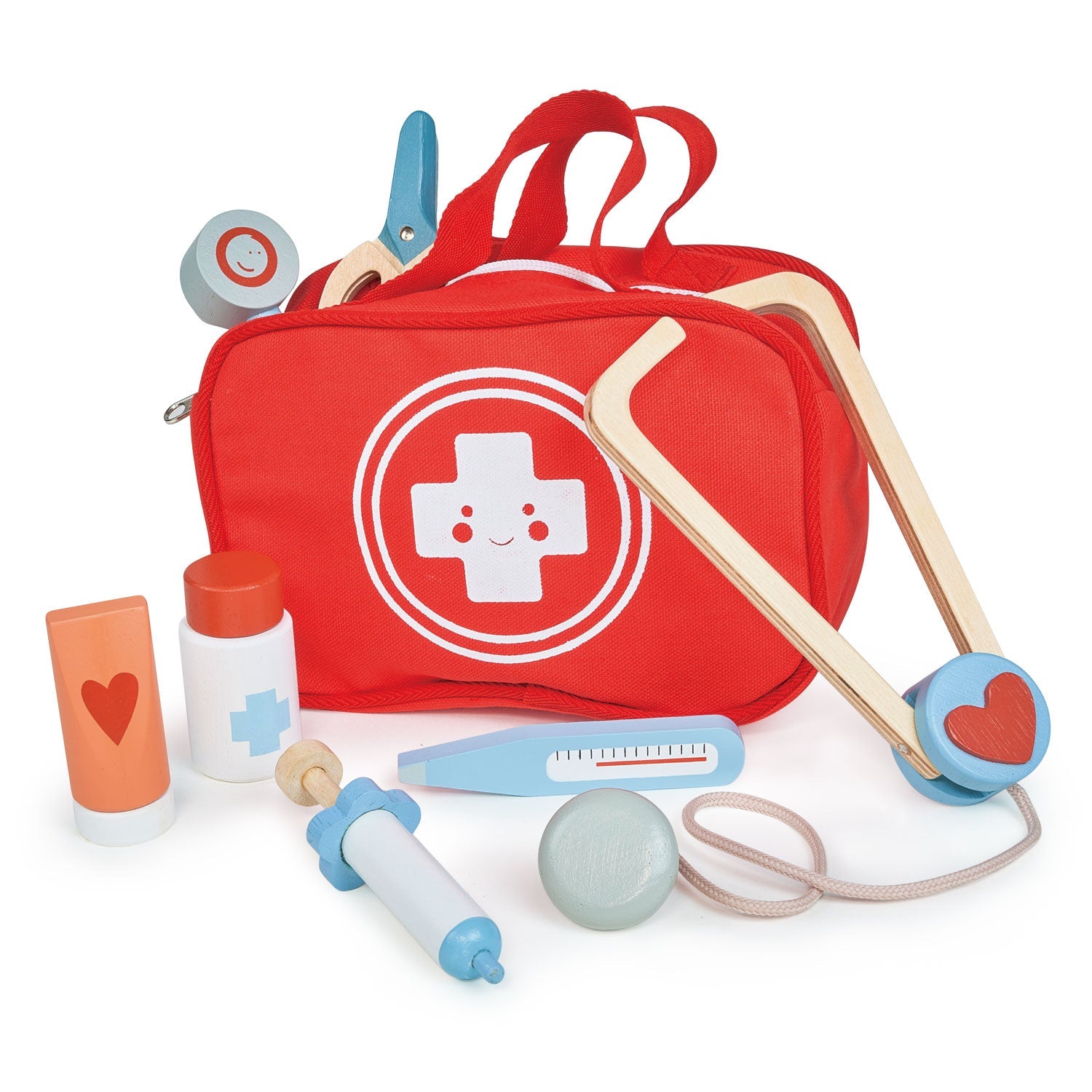
My Med Kit: What to Include and How to Keep It Ready
A well-stocked medical kit can help you handle minor injuries and provide basic care while waiting for professional help. Whether it stays at home, travels in a vehicle, or goes into an emergency bag, a med kit should be easy to find, clearly organized, and suited to the people who may need it.
Start with the Essentials
For basic first aid, consider including:
- Adhesive bandages in several sizes
- Sterile gauze pads and roller bandages
- Medical tape and a triangular bandage
- Antiseptic wipes and antibiotic ointment
- Disposable nitrile gloves
- Small scissors and tweezers
- A digital thermometer
- A cold pack
- A CPR face shield or breathing barrier
- A first-aid guide with clear instructions
Pack only supplies that can be used safely and appropriately. A kit is not a substitute for professional medical care, and serious injuries or sudden, severe symptoms require emergency assistance.
Add Personal and Household Supplies
Every household has different needs. Include a list of current medications, allergies, emergency contacts, and important medical conditions. Keep necessary prescription medicines in their original containers and follow storage instructions. For children, older adults, and people with specific health needs, ask a health care professional which additional supplies should be included.
Over-the-counter medicines may also be useful, but choose them with care. Check labels, expiration dates, and age restrictions, and store medicines securely out of children’s reach. Do not include medicines that household members should not take.
Make the Kit Easy to Use
Choose a durable, water-resistant container and label it clearly. Store it in a known, accessible location away from heat, moisture, and direct sunlight. Keep a smaller kit in the car or emergency bag, but avoid leaving temperature-sensitive supplies in a vehicle for long periods.
Organize items by purpose, such as wound care, protective equipment, and personal medications. A simple inventory taped inside the lid can make it easier to find supplies and notice what needs replacing.
Check and Restock Regularly
Review the med kit at least twice a year and after each use. Replace expired or damaged supplies, replenish anything that has been used, and confirm that batteries still work in items such as a thermometer or flashlight. Make sure everyone in the household knows where the kit is and how to use basic supplies.
Be Ready for Emergencies
A med kit is most useful when paired with basic first-aid knowledge and an emergency plan. Consider taking a recognized first-aid and CPR course. In an emergency, call 911 for life-threatening conditions and follow instructions from emergency professionals.
5 Benefits of Keeping a First-Aid Kit Ready
- Keeps essential first-aid supplies in one place.
- Helps you respond quickly to minor injuries.
- Can be customized for your household’s needs.
- Easy to take along in a car or emergency bag.
- Encourages preparedness at home and on the go.
6 Potential Drawbacks of Your Medical Kit
- May be missing essential supplies.
- Medications can expire unnoticed.
- Poor storage can damage supplies.
- An unorganized kit wastes time.
- Some items require training to use.
- A kit cannot replace professional care.
Keeps essential first-aid supplies in one place.
My med kit keeps essential first-aid supplies together in one convenient place, so bandages, gauze, antiseptic wipes, and other basics are easier to find when they’re needed. Instead of searching through drawers or cabinets, I can quickly check the kit and get the right supplies to help with minor injuries.
Helps you respond quickly to minor injuries.
My med kit helps me respond quickly to minor injuries by keeping essential supplies—such as bandages, gauze, and antiseptic wipes—close at hand. Instead of searching for what I need, I can clean and cover a small cut or scrape right away, helping protect it until it heals.
Can be customized for your household’s needs.
One of the biggest advantages of my med kit is that it can be customized for my household’s needs. I can choose supplies based on family members’ ages, allergies, medical conditions, and daily medications, then update the contents as those needs change. This makes the kit more practical and helps ensure the right essentials are close at hand when someone needs care.
Easy to take along in a car or emergency bag.
My med kit is compact and easy to take along, so I can keep it in the car or tuck it into an emergency bag. Having basic first-aid supplies close by makes it easier to respond to minor injuries at home, on the road, or while traveling.
Encourages preparedness at home and on the go.
My med kit encourages preparedness at home and on the go by keeping essential first-aid supplies close at hand. Whether it’s stored in a convenient spot at home, packed for a trip, or kept in the car, it helps me feel ready to handle minor injuries and respond more calmly when unexpected situations arise.
May be missing essential supplies.
One potential drawback of my med kit is that it may be missing essential supplies when they’re needed. If items have been used, overlooked, or not replaced after expiring, the kit may not be ready for an injury or emergency. Checking it regularly and keeping an updated inventory can help ensure it has the basics on hand.
Medications can expire unnoticed.
One drawback of my med kit is that medications can expire without anyone noticing. Expired medicines may be less effective, and some may not be safe to use, so it’s important to check expiration dates regularly. Keeping an inventory and reviewing the kit every few months can help ensure that medications are current and ready when needed.
Poor storage can damage supplies.
Poor storage can damage the supplies in my med kit and make them less effective when I need them. Heat, moisture, sunlight, and extreme cold can affect items such as medications, adhesive bandages, and sterile dressings. To keep the kit ready for emergencies, I should store it in a cool, dry place, follow product storage instructions, and check supplies regularly for damage or expiration.
An unorganized kit wastes time.
An unorganized med kit can waste precious time when someone is hurt or feeling sick. If bandages, antiseptic wipes, or other supplies are scattered or hard to find, it may take longer to provide basic care when every moment matters. Keep items grouped by type, return them to their designated spots after use, and check the kit regularly so supplies are easy to locate in an emergency.
Some items require training to use.
Some items in my med kit require training to use safely and correctly. Without the right knowledge, it can be difficult to know when or how to use them, and improper use could cause harm or delay appropriate care. It’s important to learn how to use specialized supplies before an emergency and to follow the instructions provided by a health care professional or the product manufacturer.
A kit cannot replace professional care.
A med kit can help with minor injuries, but it cannot replace professional medical care. Serious wounds, severe allergic reactions, chest pain, trouble breathing, or other urgent symptoms require prompt attention from a health care professional. Use the supplies only for basic first aid, and call 911 or seek medical help when a condition is severe, worsening, or uncertain.