How Much Does a First Aid Kit Cost?
A first aid kit can cost anywhere from about $10 to more than $150, depending on its size, contents, and intended use. A small kit for a car or daypack is usually less expensive than a well-stocked household, workplace, or outdoor kit. Prices also vary by brand and retailer, so it’s worth comparing what’s included rather than choosing by price alone.
Typical First Aid Kit Price Ranges
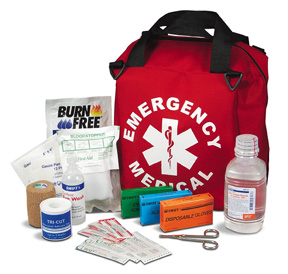
- Basic personal kit: $10–$25. Usually contains essentials such as adhesive bandages, gauze, antiseptic wipes, and medical tape. It may suit a desk, backpack, or small vehicle.
- Home or family kit: $25–$60. Often includes a wider selection of bandages and wound-care supplies, plus items such as tweezers, scissors, gloves, and a cold pack.
- Large or specialty kit: $50–$150 or more. Kits for larger households, workplaces, vehicles, camping, or outdoor activities may include more supplies, a sturdier case, or items tailored to specific risks.
These are general estimates, not set prices. A kit’s contents and quality can vary significantly even when two products cost about the same.
What Affects the Cost?
Number of people served: A compact kit intended for one person typically costs less than one designed for a family, team, or workplace.
Type and quantity of supplies: More bandages, gauze, gloves, and other items can raise the price. Specialized supplies—such as a tourniquet or trauma dressing—may add to the cost, but they are not included in every kit and require appropriate training to use.
Case and portability: A simple pouch is often cheaper than a durable, water-resistant case designed for a vehicle or outdoor use.
Brand and organization: Some kits cost more because they use higher-quality components, clearly labeled compartments, or a layout intended for quick access. Check the product details to see whether the higher price reflects supplies you actually need.
Buying a Kit or Building Your Own
Preassembled kits are convenient and can be a good starting point. A do-it-yourself kit may offer better value if you already have some supplies or want to choose specific items. However, building one takes time, and you’ll need to make sure it includes the essentials for the people and activities it will serve.
Before buying, consider where the kit will be kept and what it needs to cover. A home kit may benefit from a broader selection of wound-care supplies, while a car kit should be easy to store and access. For work or organized activities, check applicable workplace or industry requirements rather than assuming a general-purpose kit meets them.
Remember to Budget for Restocking
The purchase price is only part of the cost. Supplies get used, packages can be damaged, and some products have expiration dates. Check the kit periodically and replace missing, expired, or compromised items. Common replacements such as bandages, gauze, and antiseptic wipes may cost only a few dollars, while replacing specialized items can cost more.
How to Choose the Right Value
- Compare the contents, not just the number of pieces advertised.
- Choose supplies suited to the number of people and likely activities.
- Look for clear labeling and a case that fits the storage location.
- Check whether items are individually sealed and whether the kit includes a contents list.
- Plan to inspect and restock the kit regularly.
For many households, a useful first aid kit can be found in the $25–$60 range. The best choice is one that fits your needs, is easy to access, and stays stocked—not necessarily the largest or most expensive option.
5 Cost-Saving Benefits of First Aid Kits
- Affordable options are available for basic needs.
- Preassembled kits save time and effort.
- Buying a larger kit can lower cost per item.
- Reusable cases help keep supplies organized.
- Restocking only used items can save money.
6 Cost-Related Drawbacks of First Aid Kits
- Basic kits may lack important supplies.
- Larger kits can be expensive.
- Specialty items raise the price.
- Supplies need regular replacement.
- Cheap kits may have lower-quality items.
- Restocking adds ongoing costs.
Affordable options are available for basic needs.
Affordable first aid kits are readily available for everyday needs, making it easy to keep basic supplies on hand without spending a lot. Lower-cost options often include essentials such as adhesive bandages, gauze, antiseptic wipes, and medical tape, which can be useful at home, in a car, or in a backpack. Before buying, check the contents to make sure the kit includes the items you’re most likely to need.
Preassembled kits save time and effort.
Preassembled first aid kits save time and effort by gathering essential supplies in one convenient package. Instead of researching every item, buying them separately, and organizing them yourself, you can choose a kit that fits your needs and have it ready to use. This convenience can make the kit’s cost worthwhile, especially for busy households, workplaces, and people who need supplies for travel or outdoor activities.
Buying a larger kit can lower cost per item.
Buying a larger first aid kit can lower the cost per item because supplies are often less expensive when purchased in bulk. This can make a well-stocked kit a good value for families, workplaces, or groups that need more supplies on hand. Before buying, compare the kit’s contents and quality—not just the number of items—to make sure the savings come with supplies you’ll actually use.
Reusable cases help keep supplies organized.
Reusable cases can make a first aid kit a better value by keeping supplies organized and easy to find. After using or replacing items, you can return them to their designated compartments instead of buying a new kit. A durable case can also be repurposed for restocked supplies, helping reduce waste and keeping essentials together for the next emergency.
Restocking only used items can save money.
Restocking only the items you’ve used can help keep first aid kit costs down. Instead of replacing the entire kit, check its contents after use and buy only what’s missing, such as bandages, gauze, or antiseptic wipes. Regular checks also help you spot expired or damaged supplies, so you can replace them as needed without paying for items that are still in good condition.
Basic kits may lack important supplies.
Basic first aid kits are often affordable, but their low price may reflect a limited selection of supplies. They might include bandages and antiseptic wipes while leaving out useful items such as gauze, medical tape, gloves, or a cold pack. This can mean buying additional supplies separately, increasing the overall cost, or finding that the kit doesn’t meet your needs when an emergency occurs. Check the contents list before purchasing and add any essentials that are missing.
Larger kits can be expensive.
Larger first aid kits can be expensive, especially when they include supplies for multiple people, specialized equipment, or a durable case. The upfront cost may be difficult to manage, and the expense can continue over time as used or expired items need replacing. Compare the kit’s contents with your actual needs to avoid paying for supplies you’re unlikely to use.
Specialty items raise the price.
Specialty items can raise the price of a first aid kit, especially when it includes products such as a tourniquet, trauma dressing, or emergency splint. These supplies may be useful for specific activities or risks, but not everyone needs them, and some require training to use safely. Check the kit’s contents before buying so you’re paying for items that fit your needs.
Supplies need regular replacement.
First aid kit costs don’t end at the checkout. Supplies may be used, damaged, or expire, so you’ll need to inspect the kit regularly and replace items to keep it ready for an emergency. Even small restocks can add up over time, especially for larger kits or specialized supplies.
Cheap kits may have lower-quality items.
Cheap first aid kits can be appealing, but lower prices may mean lower-quality supplies. Bandages might not stick well, packaging may tear easily, or items may be missing, poorly labeled, or unsuitable for the situations you need to handle. Before buying, check the kit’s contents, reviews, and packaging, and make sure essential supplies are intact and easy to use. A slightly more expensive kit may offer better reliability and value over time.
Restocking adds ongoing costs.
Restocking adds to the long-term cost of a first aid kit. Bandages, gauze, antiseptic wipes, and other supplies need replacing after they’re used, damaged, or expired, so the initial purchase price isn’t the only expense. Checking the kit regularly and setting aside a small budget for replacements helps ensure it stays ready when needed.