The Importance of Having a First Aid Box
Accidents can happen anytime, anywhere, and being prepared with a well-stocked first aid box can make a significant difference in handling emergencies effectively. Whether at home, in the car, or at the workplace, having a first aid kit readily available can provide immediate medical assistance before professional help arrives.
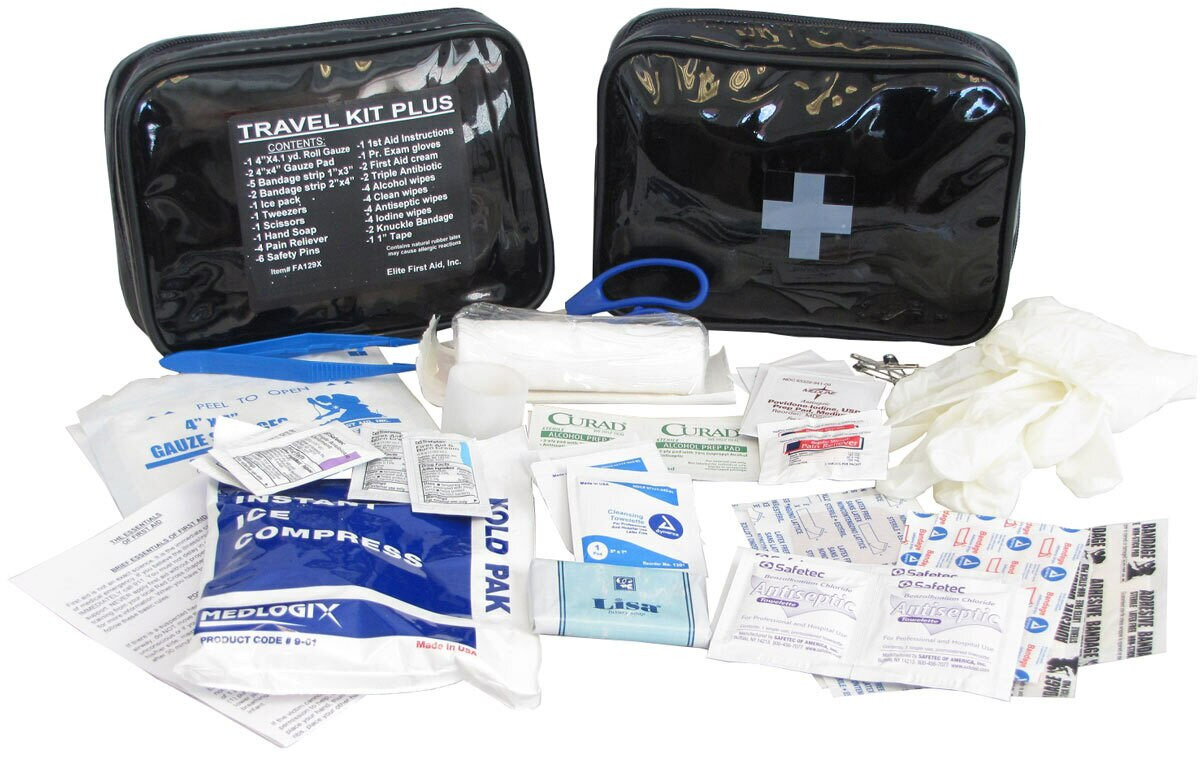
Key Items to Include in a First Aid Box:
- Bandages: Various sizes of adhesive bandages to cover cuts and wounds.
- Gauze Pads: Sterile gauze pads for cleaning and dressing wounds.
- Antiseptic Wipes: Alcohol-based wipes to clean the skin around injuries.
- Tweezers: To remove splinters or debris from wounds.
- Scissors: Sharp scissors for cutting bandages and tape.
- Pain Relievers: Over-the-counter pain medications like ibuprofen or acetaminophen.
- Gloves: Disposable gloves to protect both the responder and the injured person from contamination.
- Tape: Medical tape for securing bandages and dressings in place.
The Benefits of Having a First Aid Box:
A well-equipped first aid kit can help prevent minor injuries from escalating into more serious conditions. It provides immediate care that can stabilize a person’s condition until professional medical help is available. Additionally, having a first aid box promotes safety awareness and preparedness within households, workplaces, schools, and other settings.
Maintaining Your First Aid Kit:
Regularly check your first aid box to ensure that supplies are up-to-date and not expired. Replace any used or outdated items promptly to maintain the kit’s effectiveness during emergencies. Store the first aid box in a cool, dry place that is easily accessible to everyone in case of an emergency.
In conclusion, investing in a well-stocked first aid box is a simple yet crucial step towards ensuring the safety and well-being of yourself and those around you. By being prepared with essential medical supplies, you can respond promptly to accidents and injuries, potentially saving lives in critical situations.
Essential FAQs for Building and Maintaining Your First Aid Box
- What should be included in a basic first aid box?
- How often should I check and restock my first aid kit?
- Where is the best place to store a first aid box?
- Are there specific regulations or guidelines for workplace first aid kits?
- What are the essential items to have in a travel-sized first aid kit?
- Can I customize my first aid kit based on specific medical conditions or needs?
- How do I properly clean and disinfect items in my first aid box?
- Is it necessary to undergo training on how to use the items in a first aid kit?
What should be included in a basic first aid box?
A basic first aid box should include essential items to address common injuries and emergencies. Key items to include are adhesive bandages in various sizes, sterile gauze pads for wound dressing, antiseptic wipes for cleaning cuts and scrapes, tweezers for removing splinters, scissors for cutting bandages, over-the-counter pain relievers, disposable gloves for infection control, and medical tape for securing dressings. Having these supplies readily available in a first aid kit can help individuals provide immediate care and support until professional medical help is accessible. Regularly checking and replenishing the contents of the first aid box ensures that it remains effective in times of need.
How often should I check and restock my first aid kit?
It is recommended to check and restock your first aid kit on a regular basis, ideally every 3 to 6 months. Regular maintenance ensures that the supplies in the kit are up-to-date, sterile, and functional when needed during emergencies. By inspecting the contents of your first aid box routinely, you can replace any expired or used items, ensuring that the kit remains fully equipped to provide effective care. Additionally, checking and restocking your first aid kit regularly helps maintain its readiness and reliability in responding to unexpected injuries or medical situations.
Where is the best place to store a first aid box?
The best place to store a first aid box is in a central and easily accessible location that is known to all members of the household or workplace. It should be kept in a cool, dry area away from direct sunlight and moisture to prevent damage to the contents. Ideally, the first aid kit should be placed at a height that is easily reachable for adults but out of reach of children to ensure that it remains intact and ready for use in case of emergencies. Regularly checking and restocking the first aid box will help maintain its effectiveness and ensure that it is always prepared for any unexpected situations.
Are there specific regulations or guidelines for workplace first aid kits?
Employers are required to adhere to specific regulations and guidelines regarding workplace first aid kits to ensure the safety and well-being of their employees. Occupational Safety and Health Administration (OSHA) in the United States mandates that workplaces must have adequate first aid supplies based on the type of industry, number of employees, and potential hazards present. These regulations outline the necessary items to include in a workplace first aid kit, such as bandages, antiseptic wipes, gloves, and more. It is essential for employers to regularly check and maintain these kits to comply with OSHA standards and be prepared for any medical emergencies that may arise in the workplace.
What are the essential items to have in a travel-sized first aid kit?
When preparing a travel-sized first aid kit, it is important to include essential items that can address common injuries and emergencies while on the go. Key items to consider for a compact first aid kit include adhesive bandages in various sizes, antiseptic wipes or alcohol pads for cleaning wounds, gauze pads for dressing injuries, adhesive tape for securing bandages, tweezers for removing splinters or debris, and pain relievers such as ibuprofen or acetaminophen. Additionally, including essentials like blister pads, insect bite relief ointment, and a small pair of scissors can enhance the versatility of the travel-sized first aid kit to handle a range of minor medical issues that may arise during your travels.
Can I customize my first aid kit based on specific medical conditions or needs?
When it comes to customizing a first aid kit based on specific medical conditions or needs, the answer is a resounding yes. Tailoring your first aid box to accommodate unique health requirements can enhance its effectiveness in addressing emergencies. For individuals with allergies, chronic conditions, or specific medication needs, including relevant supplies like EpiPens, inhalers, or prescription medications can be life-saving. By personalizing your first aid kit to align with individual health concerns, you ensure that you are adequately prepared to handle any medical situation that may arise.
How do I properly clean and disinfect items in my first aid box?
To properly clean and disinfect items in your first aid box, start by wearing disposable gloves to protect yourself from contamination. Remove the soiled or used items from the kit and dispose of them properly. For reusable items like scissors, tweezers, or thermometers, wash them with soap and water to remove any dirt or debris. Then, disinfect these items using alcohol-based wipes or a solution of water and bleach. Allow the items to air dry completely before placing them back into the first aid box. Regularly check the cleanliness and expiration dates of supplies in your kit to ensure its effectiveness during emergencies.
Is it necessary to undergo training on how to use the items in a first aid kit?
It is highly recommended to undergo training on how to use the items in a first aid kit effectively. While having a well-stocked first aid box is essential, knowing how to properly administer first aid can make a significant difference in emergency situations. Training provides individuals with the knowledge and skills to assess injuries, apply appropriate treatments, and respond confidently during medical emergencies. By undergoing training, individuals can maximize the effectiveness of their first aid kit and ensure that they are prepared to provide timely and appropriate care when needed.