The Essential Items for Your First Aid Box
Having a well-stocked first aid box is essential for handling minor injuries and emergencies at home, in the workplace, or while traveling. Here are some key items that should be included in your first aid kit:
Basic Supplies:
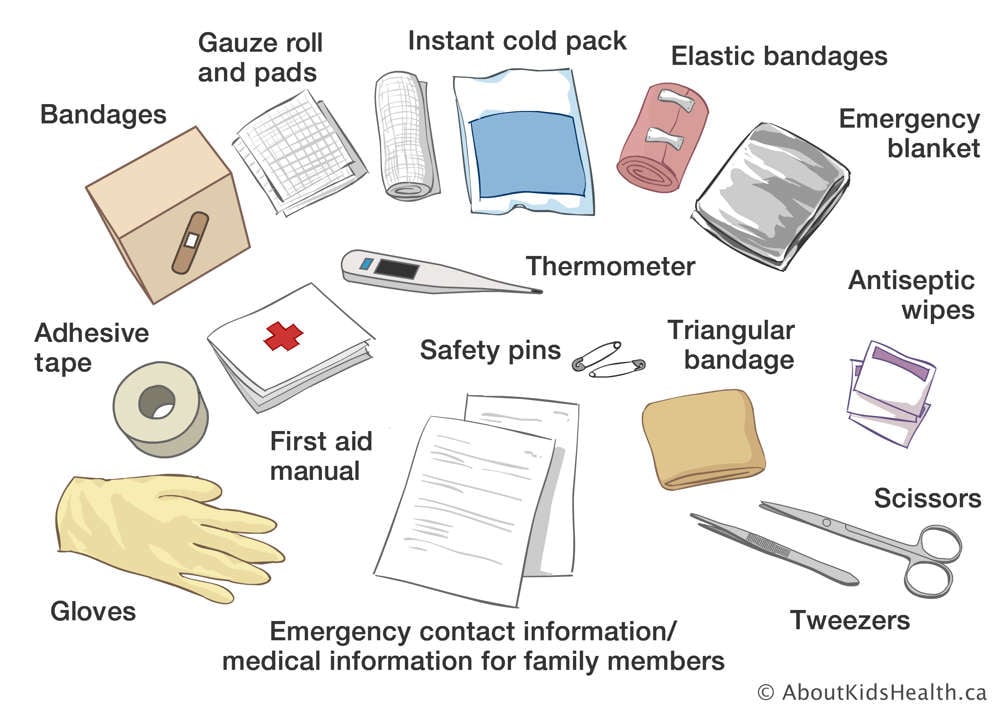
- Sterile adhesive bandages in various sizes
- Gauze pads and rolls
- Adhesive tape
- Antiseptic wipes
- Antibiotic ointment
- Tweezers and scissors
- Cotton balls and swabs
- Instant cold packs
Medications:
- Pain relievers such as acetaminophen or ibuprofen
- Antihistamines for allergic reactions
- Anti-diarrheal medication
- Cough drops or cough syrup
Note: Make sure to check expiration dates regularly and replace any expired medications.
Additions for Specific Needs:
- EpiPen for severe allergic reactions (if needed)
Burn cream or gel for minor burns and scalds/li Eye wash solution or saline solution/li Splinting materials (e.g., splint, elastic bandage) for fractures/li Emergency contact information and medical history forms/li Tourniquet (for severe bleeding emergencies)/l In addition to these items, it’s important to include a first aid manual that provides guidance on how to respond to various injuries and emergencies. Familiarize yourself with the contents of your first aid box and ensure that it is easily accessible in case of an emergency.
Remember, while a first aid kit can help address minor injuries, it is not a substitute for professional medical care. For serious or life-threatening emergencies, always seek immediate medical attention by calling emergency services.
Essential First Aid Kit Items: 6 Must-Haves for Home Safety
- Include adhesive bandages of various sizes for minor cuts and scrapes.
- Add antiseptic wipes or solution to clean wounds and prevent infection.
- Stock sterile gauze pads and adhesive tape for larger wounds or bleeding control.
- Keep a pair of tweezers handy for removing splinters or debris from the skin.
- Include a digital thermometer to check body temperature in case of fever.
- Have an emergency blanket in the kit to prevent hypothermia in shock situations.
Include adhesive bandages of various sizes for minor cuts and scrapes.
Including adhesive bandages of various sizes in your first aid box is crucial for addressing minor cuts and scrapes effectively. Having a variety of bandage sizes ensures that you can cover wounds of different sizes and shapes, promoting proper healing and reducing the risk of infection. Whether it’s a small paper cut or a larger scrape, having the right size adhesive bandage on hand can make a significant difference in providing quick and adequate care for minor injuries.
Add antiseptic wipes or solution to clean wounds and prevent infection.
Including antiseptic wipes or solution in your first aid box is crucial for cleaning wounds effectively and preventing infection. These items help remove dirt, bacteria, and debris from the wound site, reducing the risk of complications and promoting proper healing. By incorporating antiseptic wipes or solution into your first aid kit, you can ensure that you have the necessary tools to address minor injuries promptly and maintain good wound care practices.
Stock sterile gauze pads and adhesive tape for larger wounds or bleeding control.
When preparing your first aid kit, it is crucial to include sterile gauze pads and adhesive tape for larger wounds or bleeding control. These items are essential for effectively managing more serious injuries that may require additional protection and support. Stocking up on gauze pads and adhesive tape ensures that you are equipped to provide proper care and promote faster healing for wounds that are larger or have greater risk of bleeding. Be sure to replenish these supplies regularly to maintain a well-prepared first aid kit for any unexpected emergencies.
Keep a pair of tweezers handy for removing splinters or debris from the skin.
It is important to keep a pair of tweezers in your first aid box for quick and effective removal of splinters or debris from the skin. Tweezers allow for precise extraction, reducing the risk of infection and promoting faster healing. In case of a splinter or foreign object embedded in the skin, using clean tweezers can help safely remove the material and prevent further complications. Always remember to disinfect the area after removal and monitor for any signs of infection.
Include a digital thermometer to check body temperature in case of fever.
Including a digital thermometer in your first aid box is crucial for monitoring body temperature, especially in cases of fever. A digital thermometer provides accurate and quick readings, allowing you to assess changes in body temperature and determine if medical attention is needed. By having this essential item on hand, you can promptly identify fever symptoms and take appropriate measures to address them effectively.
Have an emergency blanket in the kit to prevent hypothermia in shock situations.
Including an emergency blanket in your first aid kit is crucial for preventing hypothermia in shock situations. An emergency blanket, also known as a space blanket, can help retain body heat and regulate temperature for individuals experiencing shock or exposure to cold environments. By providing insulation and protection from the elements, an emergency blanket is a valuable addition to your first aid kit to ensure the well-being of those in need during emergencies.