IFAK Medical Kit: What It Is and What to Include
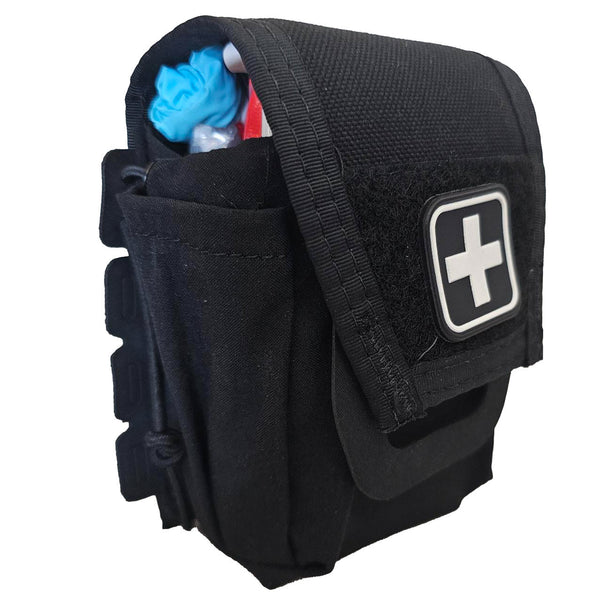
An IFAK, or Individual First Aid Kit, is a compact medical kit designed to help one person provide immediate care during a serious injury or emergency. Unlike a general household first aid kit, an IFAK typically focuses on trauma supplies for severe bleeding and other life-threatening injuries.
An IFAK can be useful at home, in a vehicle, at work, or during outdoor activities. Its contents should match the user’s training, likely risks, and environment. A kit is not a substitute for professional medical care, but having appropriate supplies nearby can help bridge the time before emergency responders arrive.
Common IFAK Supplies
There is no single standard IFAK. Kits vary, but many include items such as:
- Medical gloves: Help reduce contact with blood and other bodily fluids. Choose gloves that fit and keep them in their original packaging when possible.
- Commercial tourniquet: Used for certain severe limb bleeding. Select a reputable product and learn how to use it before an emergency.
- Compressed gauze or hemostatic gauze: May be used to pack some wounds when a person has received appropriate training.
- Pressure dressing: Helps apply and maintain pressure over a wound.
- Chest seal: Intended for certain penetrating chest injuries. Use only if trained, and follow the product instructions.
- Trauma shears: Make it easier to cut clothing away to assess an injury.
- Marker: Can be used to note the time a tourniquet was applied or record other relevant information for responders.
- Emergency blanket: Helps protect an injured person from cold or exposure.
Some kits also include basic first aid items such as adhesive bandages, antiseptic wipes, and small dressings. These can be useful for minor injuries, though an IFAK’s main purpose is usually trauma response.
Choosing an IFAK
When comparing kits, look beyond the number of items. Consider the quality and reliability of the supplies, whether they are appropriate for your needs, and whether you know how to use them. Be cautious of kits with unfamiliar or poorly identified products, and check that critical items are not expired, damaged, or difficult to access.
Think about where the kit will be stored. A vehicle kit may need to withstand heat and cold, while an outdoor kit may need a durable, water-resistant pouch. Keep the kit in a consistent, accessible location, and make sure the people who may need it know where it is.
Training Matters
Having medical supplies does not automatically mean a person is prepared to use them. Consider taking a recognized first aid or bleeding-control course that includes hands-on practice. Training can help users understand how to assess a scene, call for help, use equipment safely, and communicate clearly with emergency responders.
In an emergency, make sure the scene is safe and call 911 when someone may have a serious injury. Follow the dispatcher’s instructions. Do not use medical equipment or perform procedures beyond your training, and do not remove a tourniquet once it has been applied; emergency medical professionals should manage it.
Inspect and Restock Your Kit
Check an IFAK regularly, such as every few months and after each use. Replace used supplies, inspect packaging for tears or moisture, and review expiration dates where applicable. Store the kit according to the manufacturers’ instructions and update its contents if your needs or training change.
Be Prepared, Not Overconfident
A well-maintained IFAK can provide important supplies during the first moments of a medical emergency. The most effective kit is one that is suitable for its purpose, easy to reach, and paired with practical training. For personal recommendations, consult a qualified medical or emergency-response training provider.
6 Essential IFAK Tips: Choose, Pack, and Maintain Your Medical Kit
- Choose an IFAK suited to your activities and risks.
- Keep it secured and easy to reach.
- Learn how to use every item before an emergency.
- Include a tourniquet and pressure dressing.
- Check supplies regularly and replace expired or used items.
- Add personal medications and emergency information.
Choose an IFAK suited to your activities and risks.
Choose an IFAK that matches the activities you do and the risks you’re likely to face. A kit for hiking or camping may need to be lightweight and weather-resistant, while one kept in a vehicle or workplace may have room for additional supplies. Consider who may use the kit, how quickly you can access it, and whether its contents match your level of training. A thoughtfully chosen kit is more useful than one packed with supplies you don’t know how to use.
Keep it secured and easy to reach.
Keep your IFAK secured in a consistent, easy-to-reach location so it stays in place but can be accessed quickly during an emergency. Avoid burying it beneath other gear or storing it where you need a key or special tool to retrieve it. Make sure everyone who may need the kit knows where it is and how to access it.
Learn how to use every item before an emergency.
Learn how to use every item in your IFAK before an emergency. Familiarize yourself with each supply, read the manufacturer’s instructions, and practice relevant skills through a reputable first aid or bleeding-control course. Training helps you act more calmly, use equipment correctly, and recognize when to call 911 and follow the dispatcher’s guidance.
Include a tourniquet and pressure dressing.
Include a tourniquet and pressure dressing in your IFAK to help respond to severe bleeding. Choose reliable, clearly labeled products and keep them easy to reach. Because using these supplies incorrectly can cause harm, take a hands-on bleeding-control course and follow the product instructions. In an emergency, call 911 and follow the dispatcher’s guidance.
Check supplies regularly and replace expired or used items.
Check your IFAK regularly to make sure its supplies are ready when you need them. Replace any items that have been used, damaged, or are past their expiration date, and inspect packaging for tears or moisture. Restock the kit promptly after use, and store it according to the manufacturers’ instructions so the contents remain in good condition.
Add personal medications and emergency information.
Add personal medications and emergency information to your IFAK to make it more useful in a real emergency. Include essential medicines in their original packaging when practical, and check expiration dates and storage requirements regularly. Add a waterproof card listing important conditions, allergies, medications, emergency contacts, and other details responders may need. Keep the information current, and protect sensitive details from unnecessary exposure.