The Essential First Aid Kit List: Be Prepared for Any Emergency
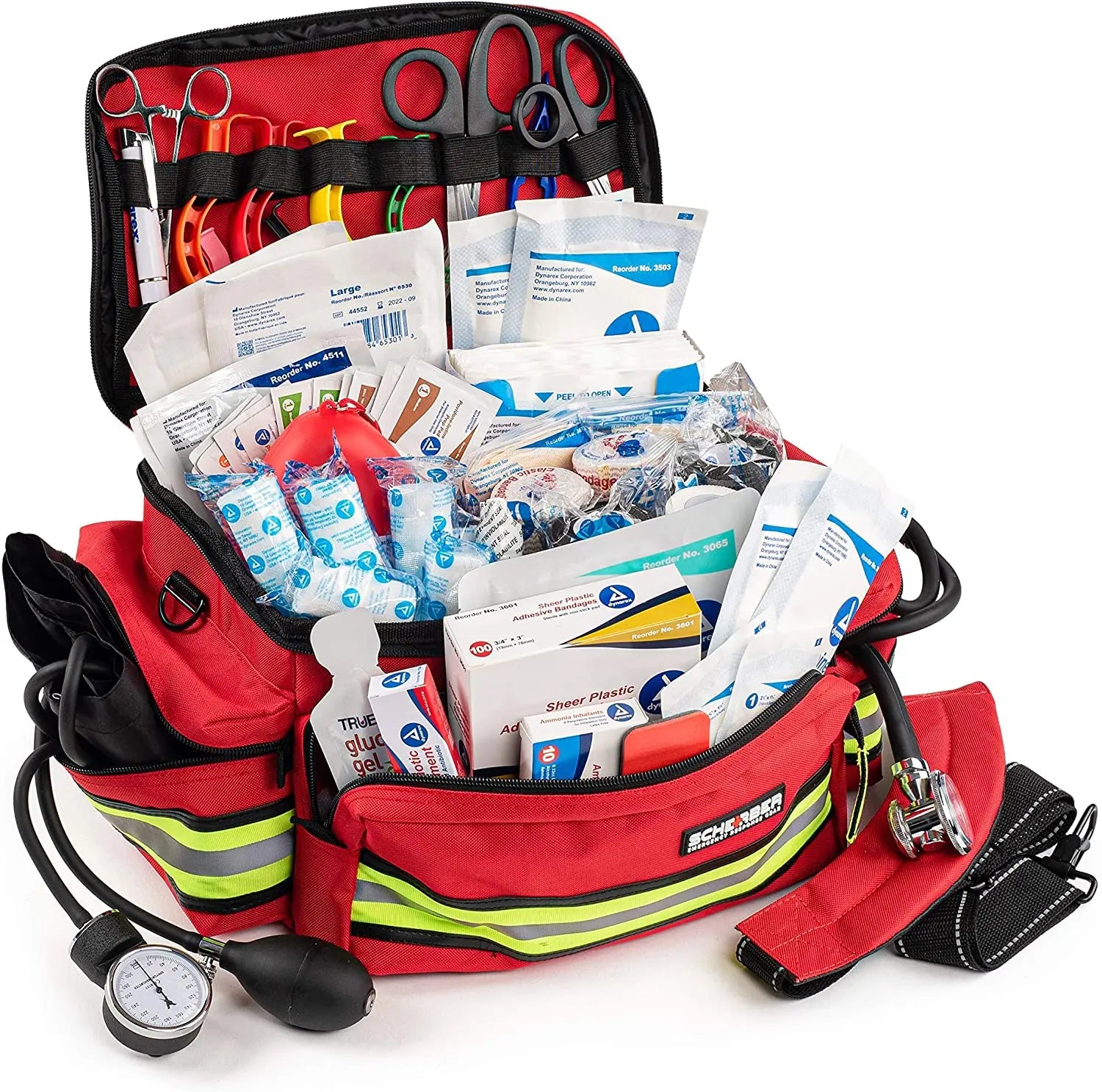
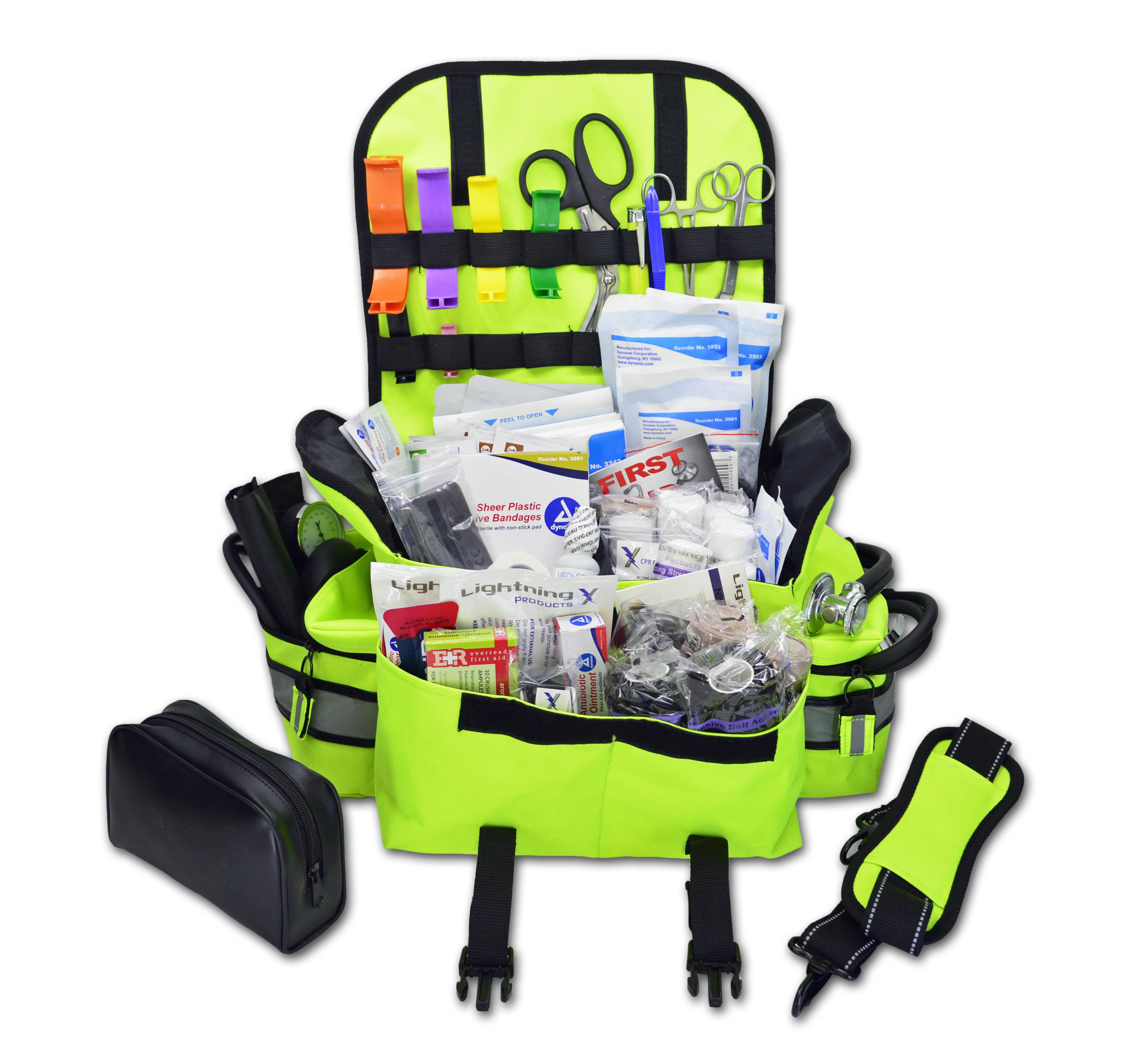
Having a well-stocked first aid kit is essential for any home, workplace, or travel adventure. A properly equipped first aid kit can make a significant difference in providing immediate care and potentially saving lives in emergency situations. Here is a comprehensive list of items that should be included in your first aid kit:
Basic Supplies:
- Sterile adhesive bandages in various sizes
- Gauze pads
- Adhesive tape
- Antiseptic wipes
- Antibiotic ointment
- Hydrocortisone cream
- Tweezers
- Scissors
- Instant cold packs
- Cotton balls/swabs
- Safety pins
- Disposable gloves
Medications:
- Pain relievers (such as acetaminophen or ibuprofen)
- Allergy medication (antihistamines)
- Cough drops or cough syrup/li
- Laxatives/li
- Anti-diarrhea medication/li
- EpiPen (if prescribed for severe allergies)/lI
- Prescription medications (if needed)/lI
- Burn cream or gel/lI
- CPR mask/lI
- Ace bandage/lI
- Tourniquet/lI
- Splint/lI
Emergency blanket/lLI Additions for Special Needs:
Contact lens solution and case Denture adhesive Hearing aid batteries Mobility aids (e.g., cane, walker)
Emergency Equipment:
- CPR mask/lI
This list serves as a starting point for creating your own customized first aid kit based on your specific needs and activities. Remember to regularly check and replenish supplies to ensure that your first aid kit is always ready for use.
Being prepared with a well-equipped first aid kit can provide peace of mind and the ability to respond effectively to medical emergencies whenever they arise.
Essential Tips for Building and Maintaining a Comprehensive First Aid Kit
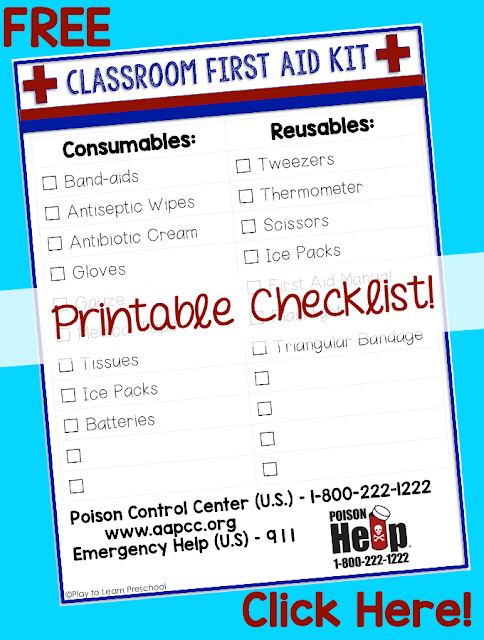
- Always include basic supplies like bandages, gauze, adhesive tape, and antiseptic wipes.
- Include medications such as pain relievers, antihistamines, and anti-diarrheal drugs.
- Don’t forget to add emergency items like a flashlight, whistle, and emergency blanket.
- Include personal items like gloves, scissors, tweezers, and a thermometer.
- Regularly check the kit for expired items and replace them as needed.
- Keep the first aid kit in a cool and dry place that is easily accessible in case of emergencies.
- Consider including a first aid manual or guide for reference on how to use the supplies effectively.
Always include basic supplies like bandages, gauze, adhesive tape, and antiseptic wipes.
It is crucial to always include basic supplies like bandages, gauze, adhesive tape, and antiseptic wipes in your first aid kit. These essential items are fundamental for treating minor cuts, scrapes, and wounds effectively. Bandages help protect injuries and promote healing, while gauze and adhesive tape are essential for securing dressings in place. Antiseptic wipes play a vital role in cleaning wounds to prevent infections. By ensuring these basic supplies are readily available in your first aid kit, you can be better prepared to handle common injuries and emergencies with prompt and proper care.
Include medications such as pain relievers, antihistamines, and anti-diarrheal drugs.
It is important to include medications like pain relievers, antihistamines, and anti-diarrheal drugs in your first aid kit. Pain relievers such as acetaminophen or ibuprofen can help alleviate discomfort from minor injuries or headaches. Antihistamines are essential for managing allergic reactions, while anti-diarrheal drugs can provide relief from gastrointestinal issues. Having these medications on hand can be crucial in addressing common health concerns quickly and effectively during emergencies or outdoor activities.
Don’t forget to add emergency items like a flashlight, whistle, and emergency blanket.
When assembling your first aid kit, it is crucial to include emergency items such as a flashlight, whistle, and emergency blanket. These items can be lifesaving in critical situations where visibility is limited, or help is needed to attract attention. A flashlight can illuminate dark areas for better assessment and treatment, while a whistle can signal for help in noisy or remote environments. Additionally, an emergency blanket provides warmth and protection from the elements in case of exposure or shock. By including these essential emergency items in your first aid kit, you enhance your preparedness for a wide range of unforeseen emergencies.
Include personal items like gloves, scissors, tweezers, and a thermometer.
It is important to include personal items like gloves, scissors, tweezers, and a thermometer in your first aid kit. Gloves help protect both the caregiver and the patient from potential contamination and infection. Scissors and tweezers are essential for cutting bandages or removing splinters and debris from wounds. A thermometer is crucial for monitoring body temperature, especially during illness or emergencies. These personal items enhance the functionality of your first aid kit and ensure that you are prepared for a variety of medical situations.
Regularly check the kit for expired items and replace them as needed.
It is crucial to regularly check your first aid kit for expired items and replace them as needed. Keeping track of expiration dates ensures that the supplies in your kit remain effective and safe to use in emergencies. By routinely inspecting and restocking your first aid kit, you can maintain its readiness and reliability, ensuring that you are prepared to provide timely care when it matters most.
Keep the first aid kit in a cool and dry place that is easily accessible in case of emergencies.
It is crucial to store your first aid kit in a cool and dry place that is easily accessible during emergencies. By keeping the kit in a location that is readily available, you can quickly retrieve it when needed and provide timely assistance in case of injuries or medical emergencies. Additionally, storing the first aid kit in a cool and dry environment helps maintain the integrity of its contents, ensuring that the supplies remain effective and safe for use when required. Remember, accessibility and proper storage are key factors in maximizing the utility of your first aid kit.
Consider including a first aid manual or guide for reference on how to use the supplies effectively.
Consider including a first aid manual or guide in your first aid kit to provide essential reference on how to use the supplies effectively. A comprehensive first aid manual can offer step-by-step instructions and guidance on administering basic medical care, managing injuries, and recognizing emergency situations. Having this resource readily available can empower individuals to respond confidently and effectively in times of need, making it a valuable addition to any well-prepared first aid kit.