The Importance of Emergency Response Services
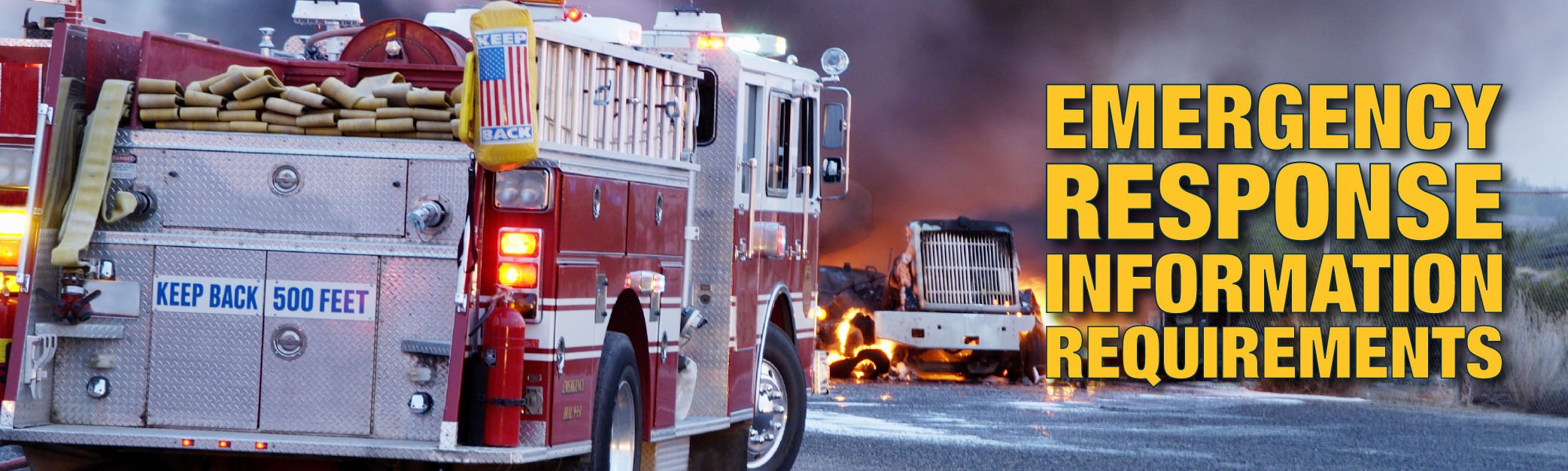
Emergency response services play a critical role in ensuring public safety and minimizing the impact of disasters and crises. These services are designed to provide rapid, coordinated, and effective assistance during emergencies, ranging from natural disasters to medical emergencies and man-made incidents.
Key Functions of Emergency Response Services
Emergency response services encompass a wide range of functions that are essential for managing emergency situations:
- First Aid and Medical Assistance: Trained responders provide immediate medical care to individuals in need, stabilizing their condition until they can be transported to a medical facility.
- Search and Rescue Operations: Teams are deployed to locate and extract individuals who are trapped or stranded in hazardous conditions.
- Firefighting Services: Firefighters respond to fires, working to extinguish flames and prevent further damage.
- Hazardous Material Response: Specialized teams address incidents involving hazardous materials, containing spills and mitigating risks to public health.
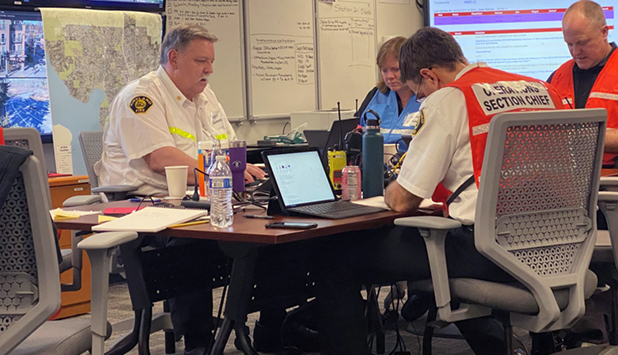
- Coordination and Communication: Emergency response agencies coordinate resources, communicate with the public, and ensure a cohesive response effort among various stakeholders.
The Role of Technology in Emergency Response
In recent years, technology has played an increasingly important role in enhancing emergency response capabilities. Tools such as geographic information systems (GIS), real-time communication platforms, drones, and predictive analytics have enabled responders to make faster decisions, allocate resources more effectively, and improve situational awareness during emergencies.
Community Engagement and Preparedness
Effective emergency response also relies on community engagement and preparedness. Public education campaigns, training programs, and drills help raise awareness about emergency procedures and empower individuals to take proactive measures to protect themselves and their families in times of crisis.
In Conclusion
Emergency response services are vital components of any well-functioning society. By investing in robust emergency response systems, training skilled professionals, leveraging technology, and fostering community resilience, we can better prepare for emergencies and safeguard the well-being of our communities.
8 Essential Tips for Effective Emergency Response
- Always call 911 for immediate emergency assistance.
- Stay calm and provide clear information to the dispatcher.
- Know your location and be ready to share it accurately.
- Follow instructions given by emergency personnel closely.
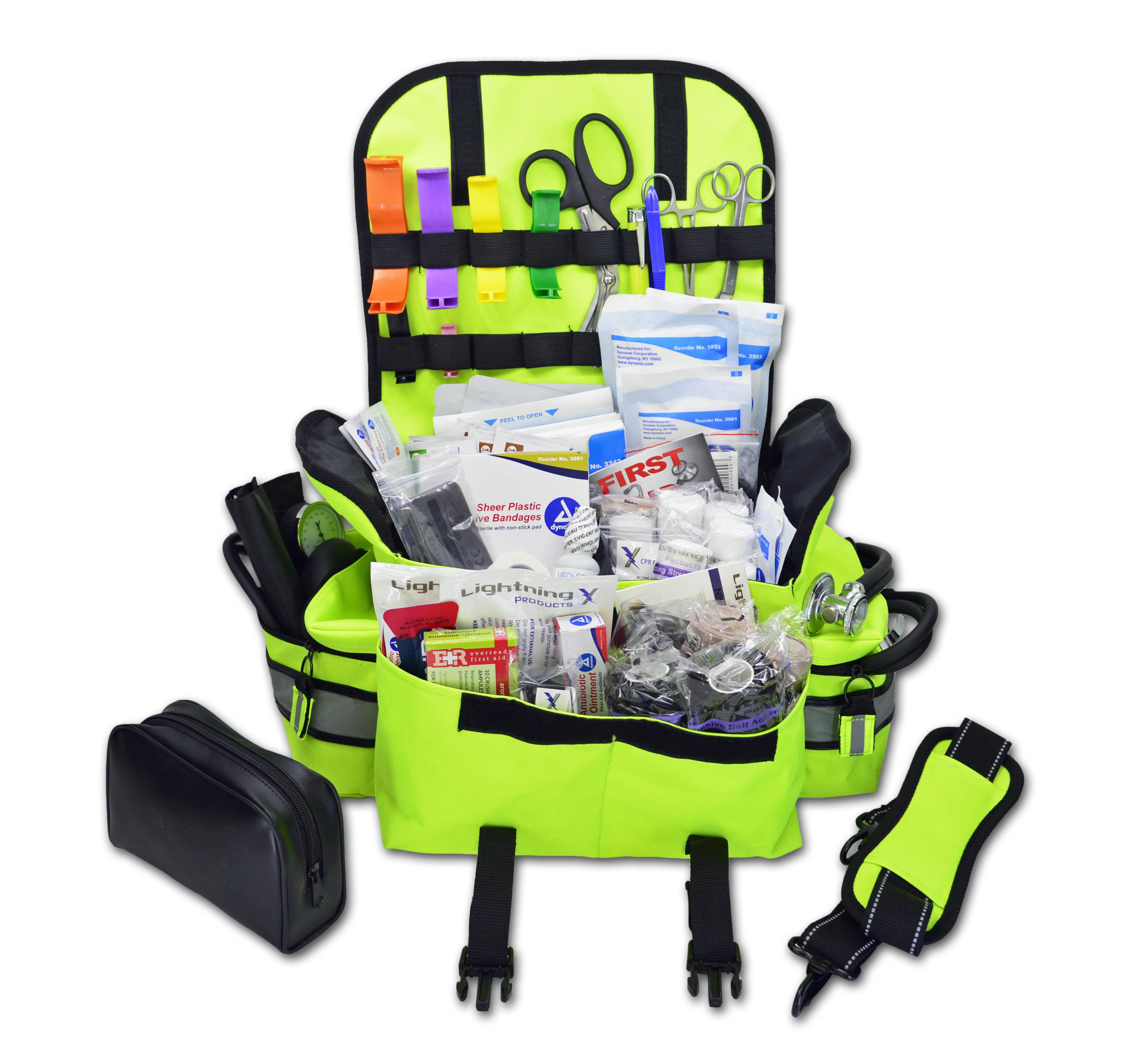
- Keep a first aid kit accessible at home and in your vehicle.
- Learn basic CPR and first aid techniques for emergencies.
- Create an emergency contact list with important numbers.
- Have an evacuation plan prepared for your household.
Always call 911 for immediate emergency assistance.
In times of urgent need, it is crucial to remember to always call 911 for immediate emergency assistance. This universal emergency number connects individuals to trained professionals who can dispatch the necessary resources promptly. By dialing 911, individuals can ensure that help arrives swiftly in critical situations, enabling timely response and potentially saving lives. It is essential to prioritize safety and rely on established emergency services for swift and effective assistance during emergencies.
Stay calm and provide clear information to the dispatcher.
During an emergency, it is crucial to stay calm and provide clear information to the dispatcher. Keeping a composed demeanor allows for effective communication and ensures that the dispatcher can gather essential details to dispatch appropriate help promptly. By providing clear and concise information about the situation, location, and any injuries or hazards present, individuals can assist emergency responders in delivering timely and targeted assistance. Remember, staying calm and communicating clearly are key factors in facilitating a swift and efficient emergency response.
Know your location and be ready to share it accurately.
Knowing your location and being prepared to share it accurately is a crucial tip for effective emergency response services. In times of crisis, providing precise information about your whereabouts can significantly expedite the arrival of assistance and ensure that responders can reach you promptly. Whether you are in need of medical aid, rescue operations, or other emergency services, being able to communicate your location clearly can make a critical difference in the outcome of the situation. Remember, accuracy and clarity in sharing your location can save valuable time and potentially save lives during emergencies.
Follow instructions given by emergency personnel closely.
It is crucial to follow instructions given by emergency personnel closely during any crisis or disaster situation. These trained professionals have the expertise and experience to guide individuals to safety and coordinate effective response efforts. By heeding their instructions promptly and accurately, individuals can help ensure their own well-being and contribute to a coordinated and efficient emergency response operation. Trusting and following the guidance of emergency personnel can make a significant difference in managing emergencies effectively and minimizing risks to both individuals and communities.
Keep a first aid kit accessible at home and in your vehicle.
It is essential to keep a first aid kit accessible both at home and in your vehicle to ensure prompt and effective response in case of emergencies. Having a well-stocked first aid kit readily available can make a significant difference in providing immediate care to those in need during accidents or medical incidents. Be prepared by regularly checking and replenishing the supplies in your first aid kits to ensure they are up-to-date and equipped to handle various situations that may arise.
Learn basic CPR and first aid techniques for emergencies.
Learning basic CPR and first aid techniques is a crucial tip for enhancing emergency response readiness. These skills can make a significant difference in saving lives during critical situations. By knowing how to perform CPR and administer first aid, individuals can provide immediate assistance to those in need until professional help arrives. Being prepared with these fundamental techniques empowers individuals to act swiftly and effectively in emergencies, potentially preventing further harm and increasing the chances of a positive outcome.
Create an emergency contact list with important numbers.
Creating an emergency contact list with important numbers is a crucial step in preparing for unexpected situations. Having quick access to key contacts, such as local emergency services, medical providers, family members, and neighbors, can significantly aid in swift communication and assistance during times of crisis. By organizing and regularly updating this list, individuals can ensure that vital information is readily available when needed most, enhancing the efficiency and effectiveness of their emergency response efforts.
Have an evacuation plan prepared for your household.
Having an evacuation plan prepared for your household is a crucial step in ensuring the safety and well-being of your family during emergencies. By proactively outlining escape routes, designated meeting points, and essential items to bring, you can minimize confusion and delay in the event of an evacuation order. A well-thought-out plan allows everyone to act swiftly and efficiently, increasing the chances of a successful evacuation and reducing potential risks. Remember, preparedness is key to effective emergency response.