The Importance of Effective Emergency Response Operations
During times of crisis and disaster, emergency response operations play a crucial role in saving lives, minimizing damage, and restoring order. From natural disasters like hurricanes and earthquakes to man-made incidents such as industrial accidents or terrorist attacks, a well-coordinated emergency response is essential for protecting communities and ensuring their resilience.
Key Components of Emergency Response Operations
Effective emergency response operations involve a combination of preparedness, mitigation, response, and recovery efforts. Here are some key components that contribute to successful emergency response:
- Preparedness: Advance planning, training, and drills help responders anticipate potential scenarios and be ready to act swiftly when an emergency occurs.
- Coordination: Collaboration among various agencies, organizations, and stakeholders is crucial for a unified and efficient response. Clear communication channels and established protocols are essential for coordination.
- Rapid Deployment: Quick deployment of resources such as personnel, equipment, and supplies is vital to address immediate needs and prevent further harm.
- Situational Awareness: Real-time monitoring of the situation allows responders to assess risks, prioritize actions, and adapt their strategies as conditions evolve.
- Public Information: Timely and accurate communication with the public helps disseminate critical information, instructions, and warnings to ensure community safety and cooperation.
- Recovery Planning: Planning for post-disaster recovery begins during the response phase to facilitate a smooth transition from immediate relief efforts to long-term reconstruction and rehabilitation.
The Role of First Responders
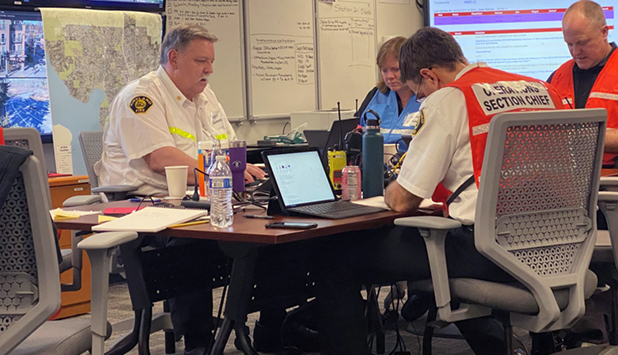
First responders – including firefighters, police officers, paramedics, search-and-rescue teams, and other emergency personnel – are at the forefront of emergency response operations. Their bravery, skills, and dedication are instrumental in saving lives under challenging circumstances.
In addition to first responders on the ground, emergency management professionals work behind the scenes to coordinate resources, analyze data, make strategic decisions, and support operational teams in the field. Their expertise ensures that response efforts are well-managed and effective.
The Future of Emergency Response
As technology advances and threats become more complex, the field of emergency response continues to evolve. Innovations such as drones for aerial reconnaissance,…
5 Essential Tips for Effective Emergency Response Operations
- Establish a clear chain of command to ensure efficient decision-making.
- Communicate effectively with all team members and stakeholders involved in the response.
- Prioritize safety for both responders and those affected by the emergency.
- Conduct regular training exercises to maintain readiness and improve response capabilities.
- Coordinate closely with relevant authorities and organizations to facilitate a comprehensive response.
Establish a clear chain of command to ensure efficient decision-making.
Establishing a clear chain of command is a critical tip in emergency response operations as it ensures efficient decision-making during high-stress situations. By clearly defining roles, responsibilities, and reporting structures, responders can act swiftly and effectively without confusion or delays. A well-established chain of command not only streamlines communication but also empowers individuals at all levels to make informed decisions based on their designated roles, ultimately enhancing the overall effectiveness of the response efforts.
Communicate effectively with all team members and stakeholders involved in the response.
Effective communication is a cornerstone of successful emergency response operations. It is crucial to maintain clear and open lines of communication with all team members and stakeholders involved in the response effort. By ensuring that information is shared promptly, accurately, and comprehensively, teams can coordinate their actions efficiently, make informed decisions, and respond effectively to the evolving situation. Regular updates, briefings, and feedback mechanisms help foster collaboration, enhance situational awareness, and promote a unified approach towards achieving common response objectives. In times of crisis, effective communication not only facilitates coordination but also builds trust, boosts morale, and strengthens the overall resilience of the response team.
Prioritize safety for both responders and those affected by the emergency.
In emergency response operations, it is paramount to prioritize safety for both responders and those affected by the emergency. Ensuring the well-being of all individuals involved is fundamental to an effective and ethical response. By implementing safety protocols, providing necessary protective gear, and offering training on hazard awareness, responders can minimize risks to themselves while delivering assistance to those in need. Additionally, showing empathy and compassion towards the affected individuals fosters trust and cooperation, creating a supportive environment for successful rescue and recovery efforts. Prioritizing safety not only protects lives but also enhances the overall resilience of communities in the face of adversity.
Conduct regular training exercises to maintain readiness and improve response capabilities.
Regular training exercises are essential in the realm of emergency response operations as they serve to uphold readiness and enhance response capabilities. By simulating various crisis scenarios and practicing coordinated responses, emergency responders can hone their skills, test protocols, and identify areas for improvement. These exercises not only help teams stay prepared for real-life emergencies but also foster teamwork, communication, and adaptability in high-pressure situations. Investing time and resources in ongoing training ensures that responders are well-equipped to effectively mitigate risks and protect communities during times of crisis.
Coordinate closely with relevant authorities and organizations to facilitate a comprehensive response.
To enhance the effectiveness of emergency response operations, it is crucial to coordinate closely with relevant authorities and organizations. By fostering strong partnerships and communication channels, a comprehensive response can be facilitated, ensuring that resources are utilized efficiently and that all aspects of the emergency situation are addressed effectively. Collaboration with key stakeholders helps streamline decision-making processes, maximize available expertise, and promote a unified approach to managing crises. This coordination not only improves the overall response efforts but also enhances community resilience and preparedness in the face of emergencies.