The Importance of Having an Emergency Medical Kit at Home
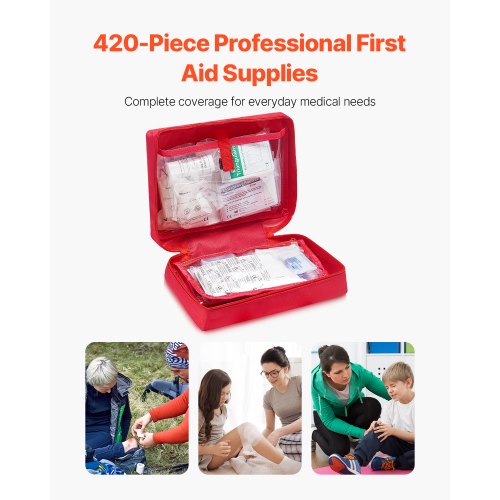
Accidents and medical emergencies can happen unexpectedly, and being prepared with an emergency medical kit at home can make a significant difference in providing timely care and potentially saving lives. Having essential medical supplies readily available can help you respond effectively to injuries, sudden illnesses, or emergencies until professional medical help arrives.
Key Items to Include in Your Home Emergency Medical Kit:
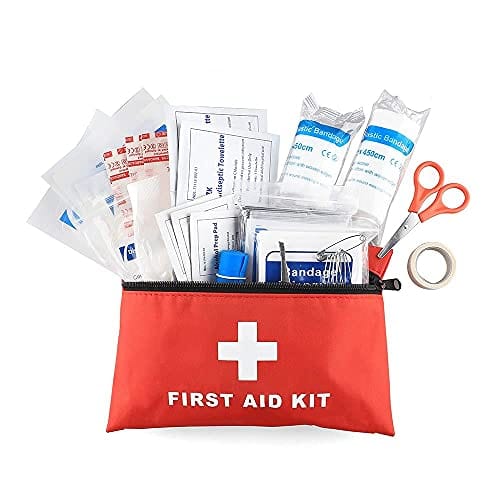
- First Aid Manual: A comprehensive guide on how to respond to various medical emergencies.
- Bandages and Adhesive Tape: Assorted bandages, gauze pads, and adhesive tape for wound care.
- Antiseptic Wipes or Solution: To clean and disinfect wounds before dressing them.
- Tweezers and Scissors: For removing splinters, cutting bandages, or other minor procedures.
- Thermometer: To monitor body temperature in case of fever or illness.
- Pain Relievers: Over-the-counter pain medications like acetaminophen or ibuprofen for pain relief.
- Allergy Medications: Antihistamines for allergic reactions or insect bites.
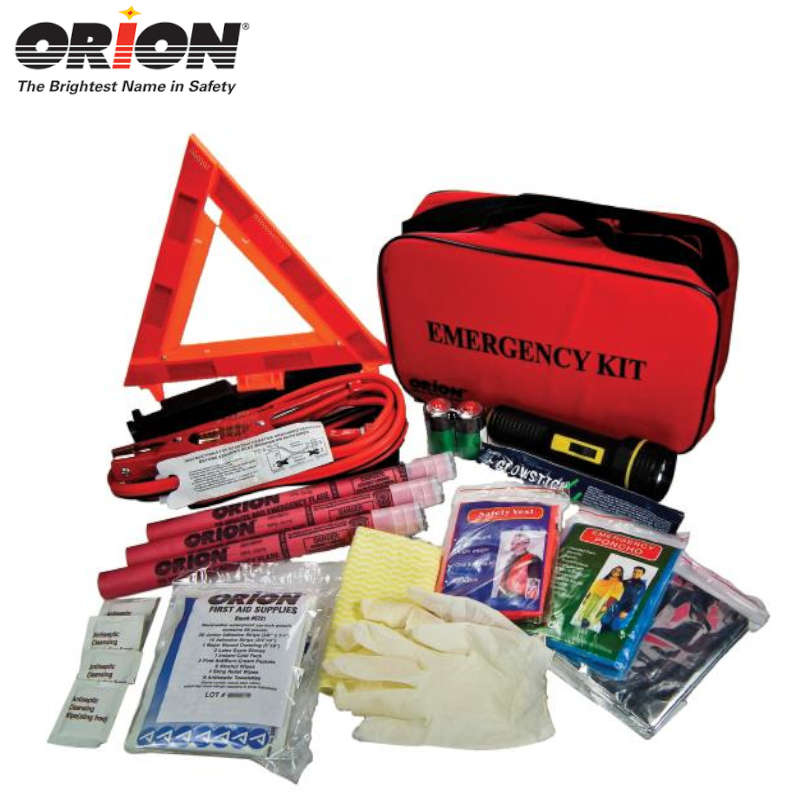
- Gloves and Face Masks: To protect against contamination while providing first aid.
- Cold Packs/Hot Packs: Instant cold packs for swelling or hot packs for muscle aches.
- Emergency Contact Information: List of emergency contacts, including family members, doctors, and local hospitals.
Tips for Maintaining Your Home Emergency Medical Kit:
To ensure the effectiveness of your emergency medical kit, consider the following tips:
- Check Expiration Dates: Regularly inspect and replace expired medications and supplies.
- Routine Inspections: Periodically review the contents of your kit to ensure everything is in good condition and restock as needed.
- Familiarize Yourself: Know how to use the items in your kit by reading instructions beforehand or taking a first aid course.
In conclusion, having an emergency medical kit at home is a proactive step towards ensuring the health and safety of your loved ones during unexpected situations. By assembling a well-equipped kit with essential supplies and maintaining it regularly, you can be better prepared to handle medical emergencies effectively when they arise.
9 Essential Tips for Assembling and Maintaining Your Home Emergency Medical Kit
- Keep your emergency medical kit in a cool, dry place out of reach of children.
- Check and replace expired items in your kit regularly.
- Include essential items such as bandages, gauze pads, adhesive tape, scissors, tweezers, and antiseptic wipes.
- Add medications like pain relievers, antihistamines, and anti-diarrheal drugs to your kit.
- Include personal items like gloves, face masks, and a thermometer.
- Have a first aid manual or instructions on how to administer basic medical care.
- Consider adding emergency contact numbers and medical history information for each family member.
- Customize the kit based on any specific medical needs or conditions within your household.
- Keep the emergency medical kit easily accessible and ensure all family members know its location.
Keep your emergency medical kit in a cool, dry place out of reach of children.
It is essential to store your emergency medical kit in a cool, dry place and out of reach of children. Keeping the supplies in a controlled environment helps maintain their effectiveness and prolongs their shelf life. Placing the kit out of children’s reach ensures that potentially hazardous items are not accessed unintentionally, promoting a safe home environment for everyone. By following this simple tip, you can ensure that your emergency medical kit remains ready and reliable for when it is needed most.
Check and replace expired items in your kit regularly.
It is crucial to regularly check and replace expired items in your home emergency medical kit to ensure its effectiveness when needed. Expired medications and supplies may not provide the intended relief or treatment, potentially compromising the care you can provide during a medical emergency. By routinely reviewing the contents of your kit and replacing any expired items promptly, you can maintain a well-equipped and reliable resource for addressing unexpected health situations with confidence.
Include essential items such as bandages, gauze pads, adhesive tape, scissors, tweezers, and antiseptic wipes.
It is crucial to include essential items like bandages, gauze pads, adhesive tape, scissors, tweezers, and antiseptic wipes in your home emergency medical kit. These supplies are fundamental for wound care and minor medical procedures, allowing you to respond promptly and effectively to injuries or emergencies. Bandages and gauze pads help cover and protect wounds, while adhesive tape secures dressings in place. Scissors and tweezers are handy tools for cutting bandages or removing foreign objects from the skin. Antiseptic wipes play a vital role in cleaning and disinfecting wounds before dressing them, helping prevent infection and promote healing. By ensuring these key items are readily available in your medical kit, you can be better prepared to handle unexpected medical situations at home.
Add medications like pain relievers, antihistamines, and anti-diarrheal drugs to your kit.
Including medications like pain relievers, antihistamines, and anti-diarrheal drugs in your home emergency medical kit is crucial for addressing common health issues during emergencies. Pain relievers can help alleviate discomfort from injuries or sudden illnesses, while antihistamines are essential for managing allergic reactions or insect bites. Additionally, having anti-diarrheal medication on hand can be beneficial in treating gastrointestinal issues that may arise unexpectedly. These medications can provide quick relief and improve the overall effectiveness of your emergency medical kit in addressing various health concerns promptly.
Include personal items like gloves, face masks, and a thermometer.
It is essential to personalize your home emergency medical kit by including items such as gloves, face masks, and a thermometer. Gloves and face masks help protect both the caregiver and the patient from potential contamination during medical procedures. A thermometer is crucial for monitoring body temperature, which can provide valuable information in assessing illness or fever. By including these personal items in your emergency medical kit, you enhance its effectiveness in providing safe and efficient care during unexpected situations.
Have a first aid manual or instructions on how to administer basic medical care.
It is crucial to have a first aid manual or instructions on how to administer basic medical care in your home emergency medical kit. A first aid manual provides essential guidance on responding to various medical emergencies, from treating minor cuts and burns to recognizing signs of more serious conditions. Having clear instructions readily available can help you confidently and effectively provide initial care before professional help arrives, potentially making a critical difference in the outcome of an emergency situation.
Consider adding emergency contact numbers and medical history information for each family member.
When preparing your home emergency medical kit, it is crucial to consider adding emergency contact numbers and medical history information for each family member. Including this vital information ensures that in the event of a medical emergency, responders have immediate access to important details about your family’s health conditions, allergies, medications, and contact persons. By incorporating these details into your kit, you can help healthcare providers deliver more personalized and effective care during critical situations.
Customize the kit based on any specific medical needs or conditions within your household.
It is crucial to customize your home emergency medical kit based on any specific medical needs or conditions within your household. By tailoring the contents of the kit to accommodate individual requirements, such as allergies, chronic illnesses, or medications, you can ensure that you are adequately prepared to address unique health concerns that may arise during an emergency. Personalizing the kit in this manner enhances its effectiveness and enables prompt and appropriate care for all members of your household in times of need.
Keep the emergency medical kit easily accessible and ensure all family members know its location.
It is crucial to keep your emergency medical kit easily accessible and ensure that all family members are aware of its location. In times of urgency, quick access to essential medical supplies can make a significant difference in providing prompt care and assistance. By storing the kit in a designated and easily reachable spot within your home, everyone in the household can quickly locate it during an emergency and respond effectively to medical situations as needed. Communication and awareness of the kit’s location among family members are key to ensuring preparedness and timely response when emergencies arise.