The Impact of Disasters: Understanding the Consequences and Building Resilience
Disasters, whether natural or man-made, have the power to devastate communities, disrupt lives, and test the resilience of individuals and societies. From earthquakes and hurricanes to industrial accidents and pandemics, disasters come in various forms and can have far-reaching consequences that extend beyond immediate physical damage.
The Human Toll
One of the most significant impacts of disasters is the toll they take on human lives. Lives lost or forever changed, families torn apart, and communities left in mourning – these are the tragic outcomes that disasters can bring. The emotional and psychological scars left by such events can linger long after the physical damage has been repaired.
Economic Fallout
Disasters also have a profound economic impact, causing widespread damage to infrastructure, homes, businesses, and livelihoods. The cost of rebuilding and recovery can be staggering, straining government resources and requiring significant investments from both public and private sectors. The economic fallout from disasters can lead to long-term financial instability for individuals and communities.
Social Disruption
Disasters can disrupt social structures and networks, leading to displacement, isolation, and increased vulnerability among certain populations. Communities may struggle to maintain cohesion in the face of widespread destruction, leading to social unrest or exacerbating existing inequalities. Vulnerable groups such as children, elderly individuals, persons with disabilities, and marginalized communities are often disproportionately affected by disasters.
Building Resilience
While disasters cannot always be prevented, their impact can be mitigated through effective preparedness measures and resilient infrastructure. Investing in disaster risk reduction strategies, early warning systems, community engagement initiatives, and sustainable development practices can help build resilience at all levels – from individual households to national governments.
Conclusion
Disasters are a harsh reality that we must confront as a global community. By understanding their consequences and taking proactive steps to build resilience, we can better protect lives, livelihoods, and ecosystems from the devastating effects of disasters. Together, we can work towards a safer, more sustainable future for all.
Essential FAQs on Natural Disasters: Preparation, Response, and Recovery
- What are common types of natural disasters?
- How can individuals prepare for a disaster?
- What should I include in a disaster preparedness kit?
- What are the warning signs of an impending disaster?
- How can communities work together to respond to disasters?
- What resources are available for disaster recovery assistance?
- How can businesses protect themselves from the impact of disasters?
- What role does government play in disaster response and recovery?
What are common types of natural disasters?
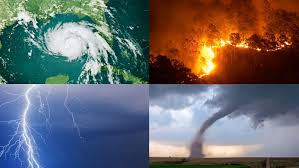
Common types of natural disasters include earthquakes, hurricanes, floods, wildfires, tornadoes, tsunamis, volcanic eruptions, and droughts. These natural events can have devastating effects on communities and ecosystems, causing loss of life, destruction of property, and long-term economic and environmental impacts. Understanding the characteristics and risks associated with each type of natural disaster is essential for effective preparedness and response efforts to mitigate their impact and protect lives and livelihoods.
How can individuals prepare for a disaster?
Preparing for a disaster is crucial to ensure the safety and well-being of individuals and communities. One of the most effective ways individuals can prepare is by creating a comprehensive emergency plan that includes important contact information, evacuation routes, and emergency supplies. It is also essential to stay informed about potential hazards in your area and to practice regular drills with family members or roommates. Additionally, having a well-stocked emergency kit with essential items such as water, non-perishable food, first aid supplies, and important documents can help individuals be better equipped to handle emergencies when they arise. By taking proactive steps to prepare for disasters, individuals can increase their resilience and ability to respond effectively in times of crisis.
What should I include in a disaster preparedness kit?
When preparing a disaster preparedness kit, it is essential to include items that can sustain you and your family during emergencies. Some key items to include in your kit are non-perishable food items, such as canned goods and energy bars, an ample supply of water, first aid supplies, medications, important documents (like identification papers and insurance information), a flashlight with extra batteries, a multi-tool or Swiss army knife, personal hygiene items, extra clothing and blankets, cash in small denominations, and any special items needed for infants, elderly family members, or pets. Additionally, consider including a portable phone charger, a whistle for signaling for help, and a local map. Regularly review and update your disaster preparedness kit to ensure it remains relevant and ready for use in case of emergencies.
What are the warning signs of an impending disaster?
Recognizing the warning signs of an impending disaster is crucial for effective preparedness and response. While the specific indicators may vary depending on the type of disaster, common warning signs include unusual weather patterns, seismic activity, rapid changes in water levels, and unusual animal behavior. Additionally, official warnings from meteorological agencies, geological surveys, and local authorities should always be taken seriously. Being vigilant, staying informed through reliable sources, and having a well-thought-out emergency plan in place are essential steps in mitigating the impact of a potential disaster.
How can communities work together to respond to disasters?
Communities can work together to respond to disasters by establishing strong communication networks, coordinating emergency response plans, and fostering a culture of preparedness. By organizing community-wide drills and training sessions, residents can familiarize themselves with evacuation procedures, first aid techniques, and other essential skills. Collaborating with local authorities, non-profit organizations, and businesses can also enhance disaster response efforts by pooling resources and expertise. Building a sense of solidarity and mutual support within the community is crucial for effectively responding to disasters and ensuring that vulnerable populations receive the assistance they need in times of crisis.
What resources are available for disaster recovery assistance?
In the aftermath of a disaster, various resources are available to provide assistance for recovery efforts. Government agencies such as FEMA (Federal Emergency Management Agency) offer financial aid, temporary housing, and other support services to individuals and communities affected by disasters. Non-profit organizations, community groups, and local charities also play a crucial role in providing resources such as food, shelter, medical care, and emotional support to those in need. Additionally, businesses may offer assistance through donations, volunteer efforts, or specialized services to help rebuild infrastructure and restore normalcy in disaster-affected areas. Coordination among these diverse resources is essential to ensure effective and timely disaster recovery assistance for all those impacted.
How can businesses protect themselves from the impact of disasters?
Businesses can protect themselves from the impact of disasters by implementing comprehensive disaster preparedness plans that address potential risks and vulnerabilities. This includes conducting risk assessments, developing emergency response protocols, ensuring business continuity strategies, and investing in resilient infrastructure. By proactively identifying potential threats and taking steps to mitigate their impact, businesses can enhance their ability to withstand disasters and minimize disruptions to operations. Additionally, establishing partnerships with relevant stakeholders, staying informed about emerging threats, and regularly testing and updating disaster preparedness measures are essential components of a robust business resilience strategy.
What role does government play in disaster response and recovery?
The role of government in disaster response and recovery is crucial in ensuring the safety and well-being of its citizens. Governments at the local, state, and federal levels are responsible for coordinating emergency response efforts, mobilizing resources, and providing critical support to affected communities. From deploying first responders and emergency services to establishing shelters and distributing aid, government agencies play a central role in managing the immediate aftermath of a disaster. In the recovery phase, governments work to assess damage, facilitate reconstruction efforts, and implement long-term recovery plans to help communities rebuild and become more resilient in the face of future disasters. Effective coordination and collaboration between government agencies, non-profit organizations, businesses, and community members are essential for a successful disaster response and recovery process.