The Importance of a Well-Stocked First Aid Bag
In any emergency situation, having quick access to essential first aid supplies can make a significant difference in providing immediate care and potentially saving lives. A well-stocked first aid bag is a crucial item to have on hand, whether at home, in the car, or while traveling.
Key Components of a First Aid Bag
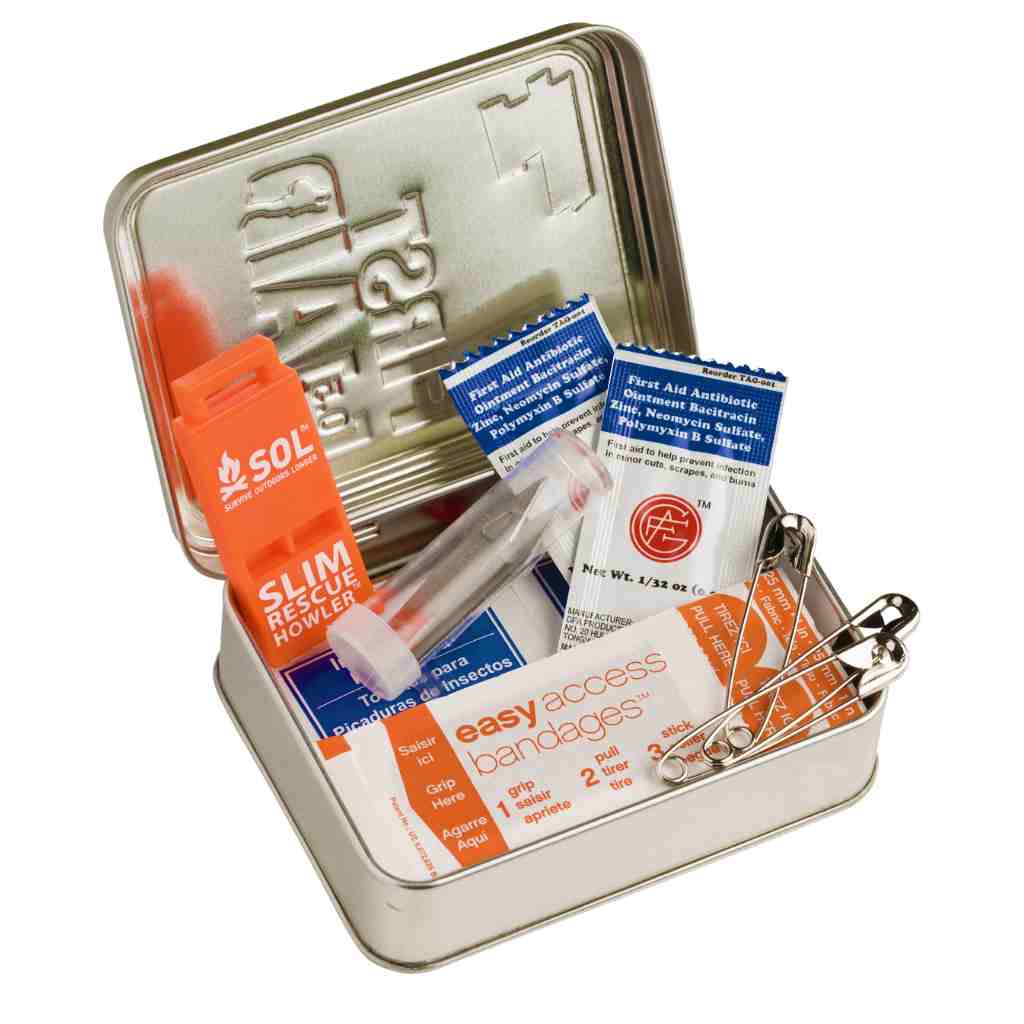
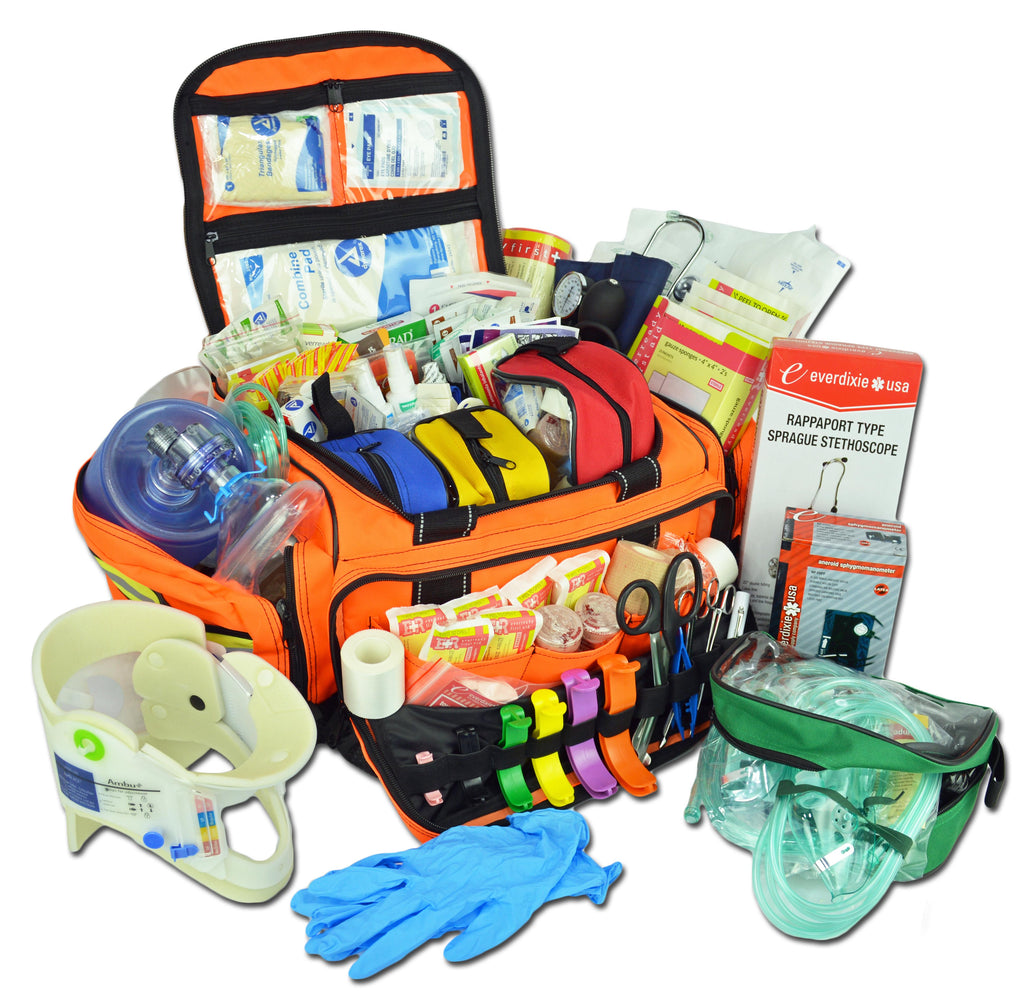
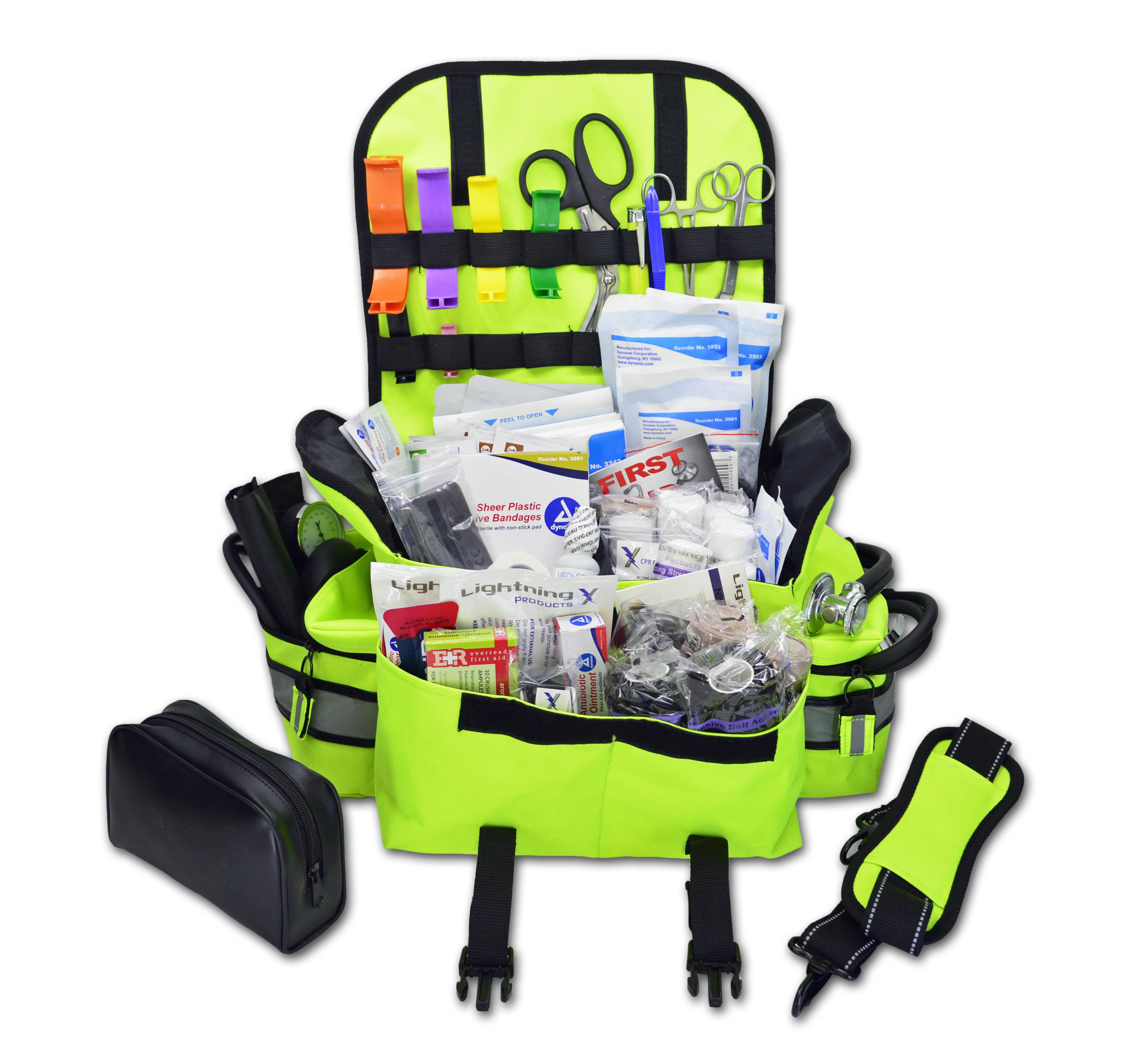
A properly equipped first aid bag should contain a variety of supplies to address common injuries and medical emergencies. Some key components to consider including are:
- Bandages: Assorted adhesive bandages, sterile gauze pads, and adhesive tape for wound care.
- Cleansing Supplies: Antiseptic wipes, hydrogen peroxide, or alcohol pads for cleaning wounds.
- First Aid Tools: Scissors, tweezers, and disposable gloves for safe handling and application of first aid.
- Medications: Over-the-counter pain relievers, antihistamines, and any necessary prescription medications for specific conditions.
- Emergency Items: CPR mask, instant cold packs, emergency blanket, and a flashlight with extra batteries.
The Benefits of Preparedness
Having a well-stocked first aid bag readily available offers several benefits in times of need. It allows for immediate response to injuries or medical emergencies before professional help arrives. Additionally, being prepared can help alleviate anxiety and stress during unexpected situations by providing a sense of control and readiness.
Maintaining Your First Aid Bag
To ensure the effectiveness of your first aid bag when needed, it is essential to regularly check and replenish supplies. Check expiration dates on medications and sterile items periodically and replace any used or outdated items promptly. It is also helpful to customize your first aid bag based on your specific needs or activities to ensure you have the necessary supplies for potential scenarios.
In Conclusion
A well-stocked first aid bag is an indispensable resource that can provide critical assistance in times of injury or emergency. By taking the time to prepare and maintain your first aid supplies, you are not only equipping yourself with essential tools but also contributing to a safer environment for yourself and those around you.
6 Essential Tips for Maintaining a Ready and Reliable First Aid Bag
- Make sure your first aid bag is easily accessible in case of emergencies.
- Regularly check and restock your first aid bag to ensure all supplies are up to date.
- Include essential items such as bandages, antiseptic wipes, adhesive tape, and scissors.
- Consider adding personal medications or specific items for individuals with special medical needs.
- Keep a list of emergency contacts and important medical information inside the first aid bag.
- Store your first aid bag in a cool, dry place to prevent damage to supplies.
Make sure your first aid bag is easily accessible in case of emergencies.
Ensuring that your first aid bag is easily accessible can be a life-saving decision in times of emergencies. Whether at home, in the car, or during outdoor activities, having quick and convenient access to your first aid supplies is crucial for providing immediate care. By keeping your first aid bag within reach and well-organized, you can respond promptly to injuries or medical situations, potentially preventing further complications and promoting faster recovery. Prioritizing accessibility for your first aid bag is a proactive step towards being prepared for unexpected incidents and ensuring the safety and well-being of yourself and others.
Regularly check and restock your first aid bag to ensure all supplies are up to date.
It is crucial to regularly check and restock your first aid bag to ensure that all supplies are up to date and ready for use in case of an emergency. By routinely inspecting the contents of your first aid kit, you can verify the expiration dates of medications and sterile items, as well as replenish any used or outdated supplies promptly. This practice helps maintain the effectiveness of your first aid bag and ensures that you are well-prepared to provide immediate care when needed.
Include essential items such as bandages, antiseptic wipes, adhesive tape, and scissors.
When assembling your first aid bag, it is crucial to include essential items such as bandages, antiseptic wipes, adhesive tape, and scissors. Bandages are essential for covering and protecting wounds, while antiseptic wipes help clean the affected area to prevent infection. Adhesive tape is necessary for securing bandages in place, and scissors are indispensable for cutting bandages or clothing in emergency situations. These items form the foundation of effective wound care and should be included in every well-prepared first aid kit.
Consider adding personal medications or specific items for individuals with special medical needs.
When assembling your first aid bag, it is important to consider adding personal medications or specific items for individuals with special medical needs. This includes prescription medications, EpiPens for severe allergies, insulin for diabetes, or any other essential medical supplies that cater to individual health requirements. By customizing your first aid kit to accommodate specific medical needs, you can ensure prompt and appropriate care in emergency situations, promoting safety and well-being for yourself and those around you.
Keep a list of emergency contacts and important medical information inside the first aid bag.
It is essential to keep a list of emergency contacts and important medical information inside your first aid bag. In the event of an emergency, having quick access to this information can help first responders provide appropriate care promptly. Include details such as emergency contacts’ names and phone numbers, any known allergies or medical conditions, and relevant insurance information. By keeping this vital information readily available, you can ensure that necessary assistance is efficiently coordinated during critical situations.
Store your first aid bag in a cool, dry place to prevent damage to supplies.
It is important to store your first aid bag in a cool, dry place to prevent damage to the supplies inside. Extreme temperatures and moisture can compromise the effectiveness of medications, adhesive bandages, and other items in the kit. By keeping your first aid bag in a controlled environment, you ensure that the contents remain intact and ready for use in case of an emergency. Proper storage not only preserves the quality of the supplies but also enhances their longevity, making them reliable resources when needed most.