The Importance of Emergency Action: Being Prepared for Any Situation
Emergencies can happen when we least expect them, and being prepared with an emergency action plan is crucial for ensuring the safety and well-being of yourself and those around you. Whether it’s a natural disaster, a medical emergency, or a sudden crisis, having a plan in place can make all the difference in how effectively you can respond and mitigate the situation.
Key Elements of an Emergency Action Plan
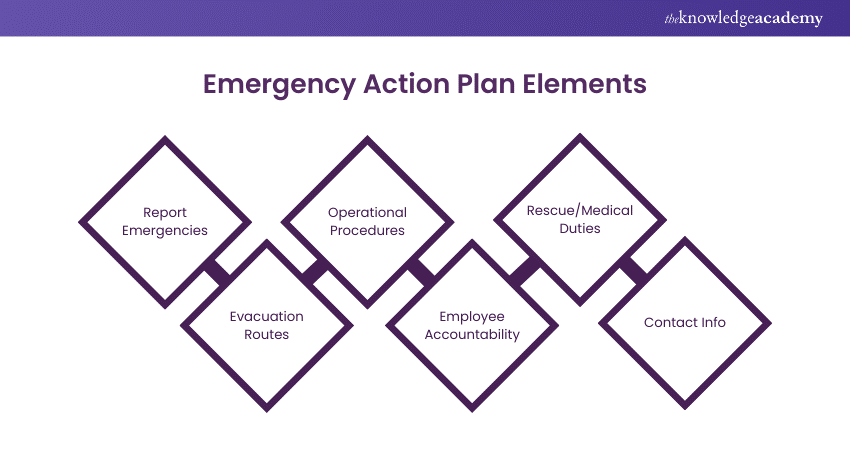
Creating an effective emergency action plan involves several key elements:
- Risk Assessment: Identify potential risks and hazards in your environment to determine the most likely emergencies that could occur.
- Communication Plan: Establish clear communication channels to ensure that everyone knows what to do in case of an emergency.
- Evacuation Procedures: Develop evacuation routes and protocols for safely exiting a building or area during an emergency.
- Emergency Contacts: Compile a list of important contacts, including emergency services, family members, and neighbors who can provide assistance.
- Emergency Supplies: Stock up on essential supplies such as food, water, first aid kits, and other necessities to sustain yourself during an emergency.
The Benefits of Being Prepared
Being prepared with an emergency action plan offers numerous benefits:
- Rapid Response: Having a plan in place allows you to react quickly and decisively during an emergency situation.
- Safety and Security: Ensuring that everyone knows their roles and responsibilities enhances overall safety and security.
- Piece of Mind: Knowing that you are prepared for any eventuality can provide peace of mind during uncertain times.
In Conclusion
In conclusion, taking proactive steps to create an emergency action plan is essential for safeguarding yourself and others during emergencies. By assessing risks, establishing clear communication channels, and preparing necessary supplies, you can increase your resilience and readiness to handle any situation that may arise. Remember: being prepared today can make all the difference tomorrow.
5 Essential Tips for Effective Emergency Response
- Call emergency services immediately in case of an emergency.
- Stay calm and assess the situation before taking action.
- Follow any emergency procedures or protocols in place.
- Provide clear and accurate information to first responders when they arrive.
- Ensure everyone’s safety by evacuating if necessary and following evacuation routes.
Call emergency services immediately in case of an emergency.
In case of an emergency, it is crucial to call emergency services immediately. Whether facing a medical crisis, natural disaster, or any other urgent situation, prompt action can make a significant difference in the outcome. By contacting emergency services right away, you ensure that trained professionals can respond swiftly and provide the necessary assistance to mitigate the impact of the emergency. Remember, quick action can save lives and prevent further harm during critical moments.
Stay calm and assess the situation before taking action.
In times of emergency, it is crucial to stay calm and assess the situation before taking any action. By maintaining a clear and composed mindset, you can make more informed decisions and respond effectively to the crisis at hand. Rushing into action without a proper assessment can lead to further chaos and potential risks. Taking a moment to evaluate the situation allows you to identify the best course of action and prioritize safety measures for yourself and others involved. Remember, staying calm and collected is key to handling emergencies with clarity and efficiency.
Follow any emergency procedures or protocols in place.
It is crucial to follow any emergency procedures or protocols that are in place to ensure a coordinated and effective response during a crisis. By adhering to established guidelines, individuals can help maintain order, maximize safety measures, and minimize potential risks. Following these protocols not only promotes a sense of unity and cooperation within the community but also enhances the overall preparedness and resilience in the face of emergencies.
Provide clear and accurate information to first responders when they arrive.
In times of emergency, providing clear and accurate information to first responders upon their arrival is crucial for ensuring a swift and effective response. By accurately detailing the situation, including any injuries, hazards, or specific needs, you can assist first responders in quickly assessing the scene and providing appropriate assistance. Clear communication not only helps prioritize actions but also enhances the overall coordination and efficiency of the emergency response efforts, ultimately leading to better outcomes for those in need of help.
Ensure everyone’s safety by evacuating if necessary and following evacuation routes.
To ensure everyone’s safety during an emergency, it is crucial to prioritize evacuation if necessary and adhere to designated evacuation routes. By promptly evacuating and following established evacuation paths, individuals can minimize risks and increase the chances of a safe outcome. Clear communication and coordination are key in guiding individuals to safety, emphasizing the importance of staying calm and orderly while evacuating. Prioritizing safety through timely evacuation measures is essential in protecting lives and mitigating potential dangers during emergencies.