The Importance of an Effective Emergency Management Response System
During times of crisis, having a well-structured and efficient emergency management response system in place can make all the difference in saving lives and minimizing damage. An effective system ensures that resources are mobilized swiftly, communication is clear, and coordination among various agencies is seamless.
Key Components of an Emergency Management Response System
An ideal emergency management response system comprises several key components:
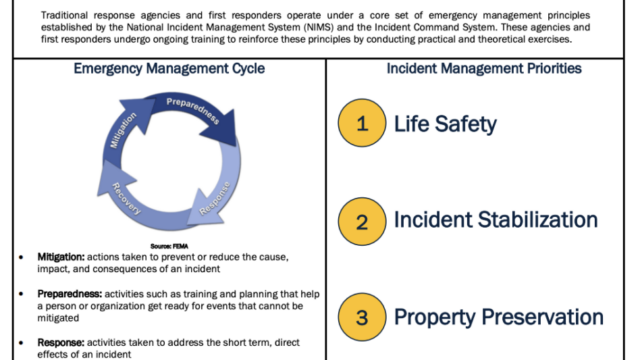
- Preparedness: This involves planning, training, and conducting drills to ensure that all personnel involved are ready to respond effectively in case of an emergency.
- Communication: Clear and timely communication is essential during a crisis. A reliable communication network should be established to disseminate information to the public, first responders, and other relevant stakeholders.
- Coordination: Effective coordination among different agencies, such as law enforcement, fire departments, medical services, and government bodies, is crucial for a cohesive response effort.
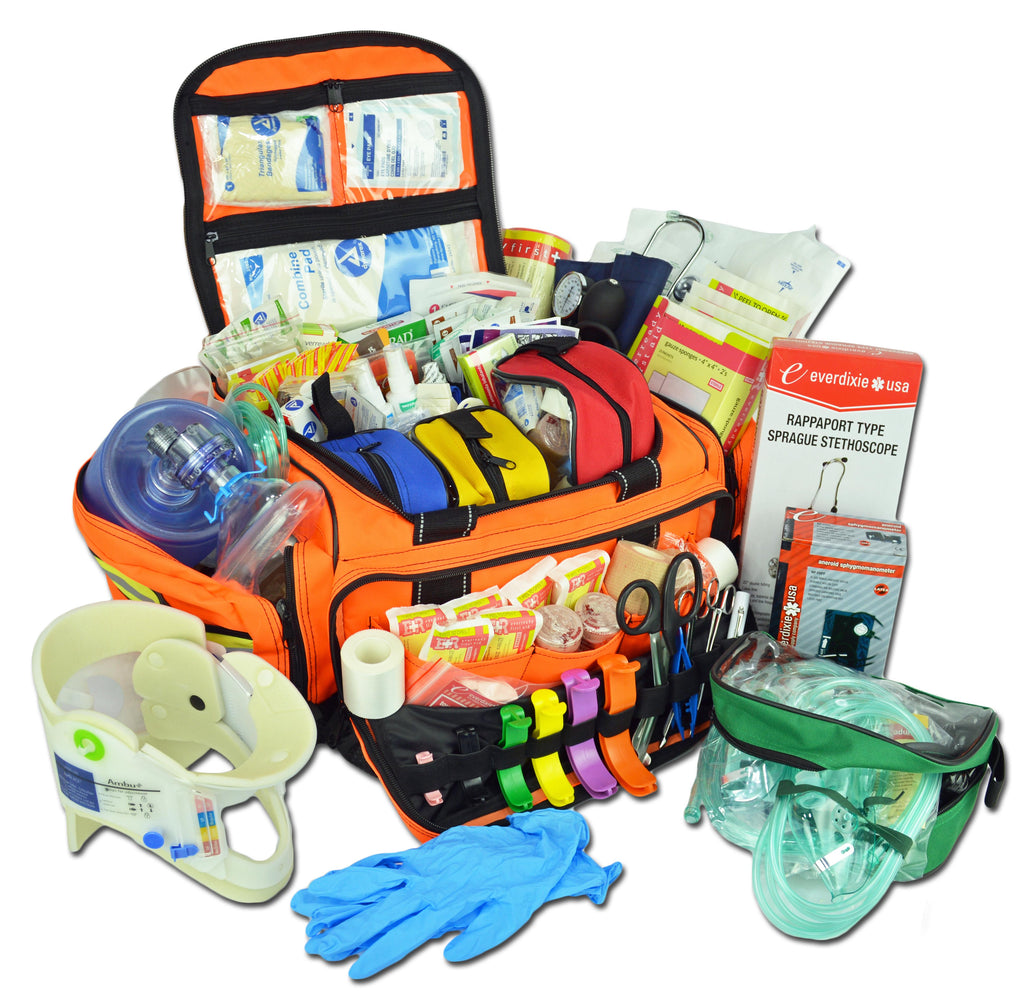
- Resource Management: Proper allocation and management of resources, including personnel, equipment, and supplies, are vital for an efficient response to emergencies.
The Role of Technology in Emergency Management
Advancements in technology have greatly enhanced the capabilities of emergency management response systems. Tools such as geographic information systems (GIS), social media monitoring platforms, and alert systems have revolutionized how emergencies are managed. These technologies enable quicker decision-making, improved situational awareness, and better resource allocation.
The Benefits of a Well-Functioning Emergency Management Response System
An effective emergency management response system offers numerous benefits:
- Lives Saved: Swift and coordinated responses can save lives by ensuring timely evacuation and medical assistance.
- Property Protection: Quick action can help minimize damage to property and infrastructure during emergencies.
- Community Resilience: A well-prepared community is more resilient in the face of disasters and can recover more quickly from their impacts.
In conclusion, investing in an efficient emergency management response system is crucial for safeguarding communities during crises. By prioritizing preparedness, communication, coordination, and resource management, authorities can ensure a prompt and effective response when disaster strikes.
Understanding Emergency Management Response Systems: Key Questions and Insights
- What is an emergency management response system?
- Why is an effective emergency management response system important?
- How does communication play a role in emergency management response?
- What are the key components of an emergency management response system?
- How can technology improve emergency management response systems?
- What steps can individuals take to prepare for emergencies?
- How are resources managed during an emergency response?
- What are the benefits of conducting drills and exercises for emergency preparedness?
What is an emergency management response system?
An emergency management response system is a structured framework designed to coordinate and facilitate the effective response to emergencies and disasters. It encompasses various components such as preparedness, communication, coordination, and resource management to ensure a timely and organized reaction to crises. This system involves planning, training, and collaboration among different agencies to address a wide range of emergencies, from natural disasters to man-made incidents. By establishing clear protocols and procedures, an emergency management response system aims to save lives, protect property, and enhance community resilience in the face of adversity.
Why is an effective emergency management response system important?
An effective emergency management response system is crucial for ensuring the safety and well-being of individuals and communities during times of crisis. By having a well-structured system in place, timely and coordinated responses can be initiated, leading to the swift mobilization of resources, clear communication channels, and efficient coordination among various agencies. This proactive approach not only saves lives but also minimizes damage to property and infrastructure. Additionally, an effective emergency management response system enhances community resilience by fostering preparedness and ensuring a rapid recovery from disasters. Overall, the importance of such a system lies in its ability to protect lives, safeguard property, and strengthen the overall resilience of communities facing emergencies.
How does communication play a role in emergency management response?
Communication plays a critical role in emergency management response by facilitating the flow of vital information before, during, and after a crisis. Clear and effective communication ensures that all stakeholders are informed of the situation, enabling prompt decision-making and coordinated actions. In times of emergency, communication helps disseminate warnings and instructions to the public, guides first responders to the scene, coordinates resources and personnel, and provides updates on evolving situations. A robust communication network enhances situational awareness, fosters collaboration among agencies, and ultimately contributes to a more efficient and successful emergency response effort.
What are the key components of an emergency management response system?
The key components of an emergency management response system encompass preparedness, communication, coordination, and resource management. Preparedness involves planning, training, and conducting drills to ensure that all personnel are equipped to respond effectively during emergencies. Clear and timely communication is essential for disseminating information to the public, first responders, and relevant stakeholders. Effective coordination among different agencies ensures a cohesive response effort, while proper resource management involves the allocation and utilization of personnel, equipment, and supplies to facilitate an efficient emergency response. These components work together synergistically to enhance the overall effectiveness of an emergency management response system.
How can technology improve emergency management response systems?
Technology plays a crucial role in enhancing emergency management response systems by providing innovative tools and solutions to improve efficiency and effectiveness. With the integration of technologies such as geographic information systems (GIS), real-time data analytics, and communication platforms, emergency responders can make quicker and more informed decisions during crises. These technologies enable better coordination among different agencies, enhance situational awareness, facilitate rapid communication with the public, and optimize resource allocation. By leveraging technology, emergency management response systems can streamline operations, enhance response times, and ultimately save lives during emergencies.
What steps can individuals take to prepare for emergencies?
To prepare for emergencies, individuals can take several proactive steps to ensure their safety and readiness. Firstly, creating a personalized emergency plan that includes evacuation routes, designated meeting points, and important contact information is essential. Stocking up on emergency supplies such as non-perishable food, water, first aid kits, flashlights, and batteries can help sustain individuals during a crisis. Staying informed about potential hazards in their area and familiarizing themselves with local emergency protocols are also crucial. Additionally, participating in emergency preparedness training programs and drills can enhance individuals’ ability to respond effectively in times of need. By taking these preventive measures and staying vigilant, individuals can better protect themselves and their loved ones during emergencies.
How are resources managed during an emergency response?
During an emergency response, resources are managed through a structured approach that involves careful allocation, coordination, and prioritization. Resource management begins with assessing the specific needs of the situation, including personnel, equipment, supplies, and facilities. Once the requirements are identified, resources are allocated based on urgency and effectiveness in addressing the immediate needs of the crisis. Coordination among different agencies and stakeholders is essential to ensure that resources are utilized efficiently and effectively. Regular communication and updates on resource availability and deployment help in maintaining situational awareness and making informed decisions throughout the response effort. Additionally, ongoing evaluation and adjustment of resource allocation based on evolving circumstances play a crucial role in optimizing the overall emergency response system.
What are the benefits of conducting drills and exercises for emergency preparedness?
Conducting drills and exercises for emergency preparedness offers numerous benefits to individuals, organizations, and communities. These practice sessions provide valuable opportunities to test response plans, identify areas for improvement, and enhance coordination among responders. By simulating emergency scenarios, participants can familiarize themselves with proper procedures, protocols, and communication channels, ultimately increasing their readiness to handle real-life crises effectively. Additionally, drills and exercises help build confidence, improve decision-making skills, and instill a culture of preparedness within the community. Overall, investing time and resources in regular drills and exercises is essential for ensuring a proactive and resilient approach to emergency management response systems.