The Importance of a First Aid Kit for Emergency Preparedness
When it comes to emergency situations, having a well-equipped first aid kit can make a significant difference in providing immediate care and potentially saving lives. Whether you are at home, in the car, or exploring the great outdoors, a first aid kit is an essential tool that should not be overlooked.
Key Components of a First Aid Kit
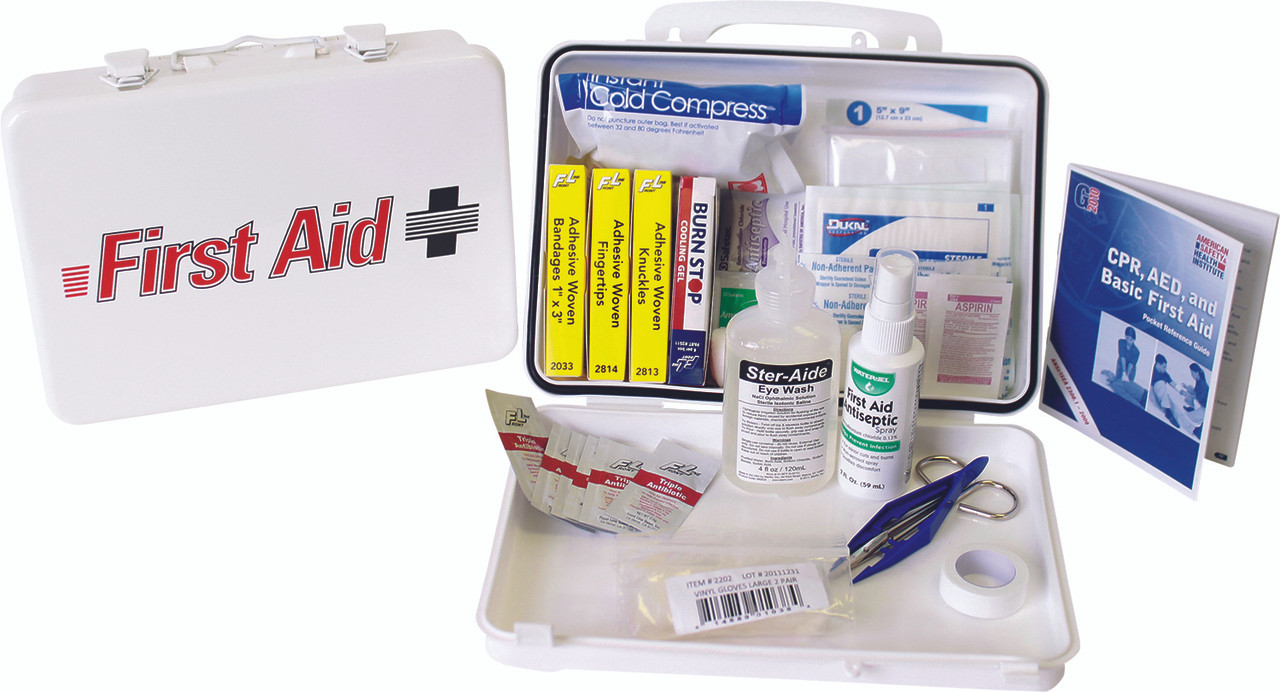
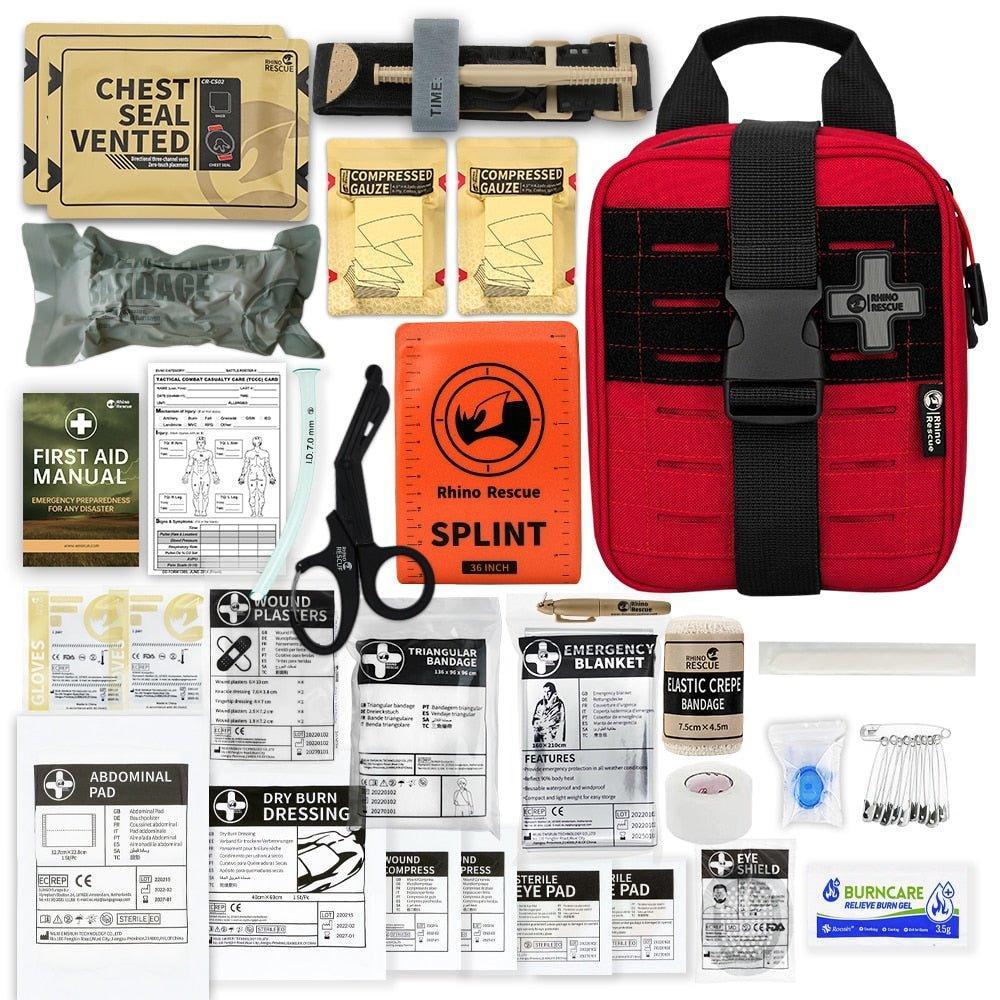
A standard first aid kit should contain a variety of supplies to address common injuries and medical emergencies. Some key components that every first aid kit should include are:
- Sterile bandages in various sizes
- Gauze pads and adhesive tape
- Antiseptic wipes and ointment
- Scissors and tweezers
- Latex gloves
- Instant cold packs
- Pain relievers (e.g., ibuprofen or acetaminophen)
- Emergency contact information
The Importance of Regularly Checking and Restocking Your First Aid Kit
It is crucial to periodically check your first aid kit to ensure that all supplies are up-to-date and in good condition. Medications may expire, bandages may become soiled, or certain items may run out after use. By regularly restocking your first aid kit, you can maintain its effectiveness and readiness for any emergency.
Customizing Your First Aid Kit for Specific Needs
Depending on your lifestyle, activities, or specific health conditions, you may need to customize your first aid kit to meet your unique needs. For example, if you have allergies or chronic medical conditions, it is important to include relevant medications or supplies in your kit. Tailoring your first aid kit ensures that you are adequately prepared for any situation.
In Conclusion
A well-prepared first aid kit is an indispensable resource for handling emergencies effectively. By investing time in assembling and maintaining a comprehensive first aid kit, you can enhance your ability to provide immediate care when it matters most. Remember, being prepared can make all the difference in ensuring the safety and well-being of yourself and those around you.
Essential FAQs for Building and Maintaining an Effective Emergency First Aid Kit
- 1. What should I include in a basic first aid kit for emergency preparedness?
- 2. How often should I check and restock my first aid kit?
- 3. Are there specific items that are essential for a first aid kit in case of natural disasters?
- 4. Can I customize my first aid kit based on my family’s medical needs?
- 5. Are there any expiration dates to consider for items in a first aid kit?
- 6. Where is the best place to store a first aid kit for easy access during emergencies?
1. What should I include in a basic first aid kit for emergency preparedness?
When assembling a basic first aid kit for emergency preparedness, it is essential to include key supplies that can address common injuries and medical needs effectively. Some important items to include in a basic first aid kit are sterile bandages in various sizes, gauze pads, adhesive tape, antiseptic wipes, scissors, tweezers, latex gloves, instant cold packs, pain relievers like ibuprofen or acetaminophen, and emergency contact information. These supplies can help you provide immediate care and support in times of need, making your first aid kit a valuable resource for handling emergencies efficiently.
2. How often should I check and restock my first aid kit?
Regularly checking and restocking your first aid kit is essential to ensure its effectiveness in times of emergency. It is recommended to inspect your first aid kit at least every six months to verify that all supplies are up-to-date, sterile, and in good condition. Additionally, it’s crucial to check the expiration dates of medications and replace any items that have been used or are nearing expiration. By maintaining a routine schedule for checking and restocking your first aid kit, you can be better prepared to handle unexpected situations with confidence and efficiency.
3. Are there specific items that are essential for a first aid kit in case of natural disasters?
In preparing a first aid kit for natural disasters, certain items are essential to address potential emergency situations effectively. These items may include sterile bandages, antiseptic wipes, gauze pads, adhesive tape, and instant cold packs to treat injuries commonly associated with disasters. Additionally, having medications like pain relievers and emergency contact information can be crucial in providing immediate care during chaotic situations. Customizing your first aid kit with items tailored to the potential risks of natural disasters can greatly enhance your preparedness and ability to respond efficiently in times of crisis.
4. Can I customize my first aid kit based on my family’s medical needs?
Customizing your first aid kit based on your family’s medical needs is not only recommended but essential for effective emergency preparedness. By tailoring the contents of the kit to accommodate specific health conditions, allergies, or medications required by your family members, you can ensure that you are adequately equipped to address any medical situation that may arise. Personalizing your first aid kit allows you to provide prompt and appropriate care tailored to the unique needs of your loved ones, enhancing overall safety and preparedness in times of crisis.
5. Are there any expiration dates to consider for items in a first aid kit?
Yes, it is important to be mindful of expiration dates for items in a first aid kit. Many supplies, such as medications, ointments, and sterile dressings, have limited shelf lives and may lose their effectiveness over time. Regularly checking and replacing expired items in your first aid kit is crucial to ensure that you have reliable supplies when faced with an emergency. By staying vigilant about expiration dates, you can maintain the readiness and efficacy of your first aid kit for optimal emergency preparedness.
6. Where is the best place to store a first aid kit for easy access during emergencies?
When considering the best location to store a first aid kit for easy access during emergencies, it is essential to choose a place that is easily accessible and known to all household members. Ideally, the first aid kit should be kept in a central and visible location, such as the kitchen or near the main entrance of the house. It is crucial to avoid storing the kit in areas that are prone to extreme temperatures or moisture, as these conditions can affect the integrity of the supplies. By placing the first aid kit in a readily accessible spot that is well-known to everyone, you can ensure quick and efficient access during times of need.