The Importance of Survival Supplies: Be Prepared for Any Situation
Disasters can strike at any moment, leaving individuals and communities vulnerable and in need of immediate assistance. Whether it’s a natural disaster like a hurricane, earthquake, or flood, or a man-made crisis such as a power outage or civil unrest, having the right survival supplies on hand can make all the difference in ensuring your safety and well-being.
Why Do You Need Survival Supplies?
Survival supplies are essential for emergency preparedness because they allow you to sustain yourself and your loved ones until help arrives. In times of crisis, access to food, water, shelter, first aid, and other basic necessities can be limited or completely cut off. By having a well-stocked supply of essential items, you can increase your chances of survival and minimize the impact of the disaster on your daily life.
Key Items to Include in Your Survival Kit
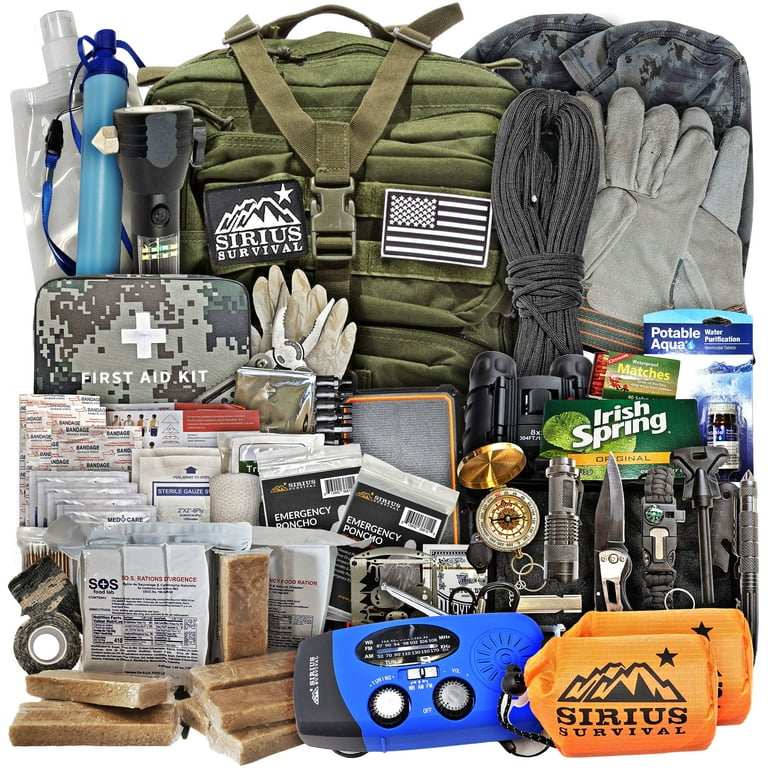
- Water: One gallon per person per day for at least three days.
- Non-Perishable Food: Canned goods, protein bars, dried fruits, and nuts.
- First Aid Kit: Bandages, antiseptic wipes, pain relievers, and prescription medications.
- Flashlight and Batteries: To navigate in the dark and signal for help.
- Multi-Tool: For various tasks like opening cans or cutting through debris.
- Emergency Blankets: To stay warm in cold conditions.
Where to Keep Your Survival Supplies
Your survival supplies should be stored in a secure and easily accessible location. Consider creating multiple kits—one for your home, one for your car, and one for your workplace—to ensure you are prepared no matter where you are when disaster strikes. Regularly check expiration dates on food and replace any expired items to maintain the effectiveness of your supplies.
In Conclusion
Being prepared with the right survival supplies is crucial for surviving emergencies and disasters. By taking the time to assemble a well-rounded kit with essential items tailored to your needs, you can increase your chances of staying safe and resilient in the face of adversity. Remember: it’s better to have it and not need it than to need it and not have it!
Essential FAQs for Building and Maintaining Your Survival Supplies
- What are the essential items to include in a survival kit?
- How much water should I store for emergency preparedness?
- What types of non-perishable food are recommended for survival supplies?
- Do I need a first aid kit in my survival supplies?
- How often should I check and update my survival supplies?
- Where is the best place to store my emergency supplies?
- Should I have different survival kits for home, car, and workplace?
- What should be included in an emergency communication plan?
- How can I ensure the effectiveness of my survival supplies over time?
What are the essential items to include in a survival kit?
When assembling a survival kit, it is crucial to include essential items that can help you sustain yourself during emergencies. Key items to include in a survival kit are water (at least one gallon per person per day), non-perishable food such as canned goods and protein bars, a first aid kit with bandages and medications, a flashlight with extra batteries, a multi-tool for various tasks, and emergency blankets for warmth. These items are vital for addressing basic needs like hydration, nourishment, medical care, illumination, and shelter in times of crisis. By including these essential items in your survival kit, you can better prepare yourself for unforeseen situations and increase your chances of survival.
How much water should I store for emergency preparedness?
When it comes to emergency preparedness, a common question that arises is, “How much water should I store?” The general recommendation is to store at least one gallon of water per person per day for a minimum of three days. This ensures an adequate supply for drinking, cooking, and personal hygiene during emergencies when access to clean water may be disrupted. It’s important to factor in the needs of all household members, including pets, and consider storing additional water for special circumstances such as extreme heat or medical conditions. Having a sufficient supply of water on hand is essential for staying hydrated and maintaining overall well-being in times of crisis.
What types of non-perishable food are recommended for survival supplies?
When it comes to selecting non-perishable food items for survival supplies, it is important to choose options that are nutritious, easy to store, and require minimal preparation. Recommended non-perishable food items for survival kits include canned goods such as vegetables, fruits, and proteins like tuna or chicken. Other suitable choices are dried fruits, nuts, granola bars, and jerky. These foods provide essential nutrients and energy needed during emergencies and can be consumed without the need for cooking or refrigeration. It’s advisable to rotate these items periodically to ensure freshness and readiness in times of need.
Do I need a first aid kit in my survival supplies?
Having a first aid kit in your survival supplies is absolutely essential. In times of emergencies or disasters, injuries can occur that require immediate attention. A well-equipped first aid kit can provide you with the necessary tools and supplies to treat minor wounds, cuts, burns, and other medical issues until professional help is available. Including a first aid kit in your survival supplies ensures that you are prepared to address medical emergencies effectively and protect the health and well-being of yourself and others in critical situations.
How often should I check and update my survival supplies?
It is recommended to regularly check and update your survival supplies at least twice a year. By revisiting your emergency kit every six months, you can ensure that all items are in good condition, have not expired, and are still relevant to your needs. Additionally, take the time to adjust your supplies based on any changes in your family size, medical conditions, or geographic location. Keeping your survival supplies up-to-date and well-maintained will help you stay prepared for any unexpected situation that may arise.
Where is the best place to store my emergency supplies?
When considering the best place to store your emergency supplies, it is important to prioritize accessibility and security. Ideally, your emergency supplies should be kept in a designated location that is easily reachable in case of an emergency. Common storage areas include a designated closet, basement, or garage. It is recommended to store your supplies in a sturdy, waterproof container to protect them from damage. Additionally, consider creating multiple kits for different locations such as your home, car, or workplace to ensure you are prepared wherever you may be when disaster strikes. Regularly check and update your supplies to maintain their effectiveness and readiness for any situation that may arise.
Should I have different survival kits for home, car, and workplace?
It is highly recommended to have separate survival kits for your home, car, and workplace to ensure you are prepared for emergencies regardless of your location. Each kit should be tailored to the specific needs and challenges you may face in those environments. Having a well-equipped survival kit in your home can provide essential supplies for prolonged emergencies, while a compact kit in your car can help you during roadside emergencies or unexpected situations while traveling. Similarly, a kit at your workplace can come in handy if you are unable to leave the premises during a crisis. By having multiple kits strategically placed, you increase your readiness and ability to respond effectively to various scenarios that may arise.
What should be included in an emergency communication plan?
An emergency communication plan is a vital component of any preparedness strategy, ensuring that individuals and families can stay connected and informed during a crisis. Key elements to include in an emergency communication plan are designated meeting points for family members in case of separation, contact information for local emergency services and out-of-town contacts, a list of important medical information and prescriptions, as well as instructions on how to communicate with each other if traditional methods like phone calls or texts are unavailable. By establishing a clear and comprehensive emergency communication plan, individuals can enhance their ability to coordinate and respond effectively in times of uncertainty or disaster.
How can I ensure the effectiveness of my survival supplies over time?
To ensure the effectiveness of your survival supplies over time, it is crucial to regularly inspect and maintain your emergency kit. Check expiration dates on food and medications, and replace any items that have passed their shelf life. Store your supplies in a cool, dry place to prevent degradation. Rotate perishable items like water and food to ensure freshness. Conduct periodic inventory checks to make sure all items are accounted for and in good condition. By staying proactive in monitoring and updating your survival supplies, you can be confident in their readiness when faced with an emergency situation.