The Importance of Monitoring Weather Conditions
Weather plays a significant role in our daily lives, impacting everything from our outdoor activities to travel plans. Monitoring weather conditions is crucial for staying informed and prepared for any potential changes or severe weather events.
Why Monitor Weather?
Monitoring weather allows us to anticipate and respond to various weather phenomena, such as storms, hurricanes, and heatwaves. By staying informed about current weather conditions, we can take necessary precautions to ensure our safety and well-being.
Benefits of Weather Monitoring
- Early Warning: Monitoring weather forecasts provides early warnings about impending severe weather events, allowing individuals and communities to prepare in advance.
- Safety Precautions: Understanding the forecasted weather conditions helps us make informed decisions about outdoor activities, travel plans, and emergency preparedness.
- Resource Management: Businesses and organizations can benefit from monitoring weather conditions to optimize resource allocation and minimize disruptions caused by adverse weather.
Tools for Weather Monitoring
A variety of tools and resources are available for monitoring weather conditions, including:
- Weather Apps: Mobile applications that provide real-time updates on local weather forecasts.
- Radar Systems: Advanced radar systems that track precipitation patterns and storm movements.
- Satellite Imagery: Satellite images that offer a bird’s eye view of global weather systems.
Conclusion
In conclusion, monitoring weather conditions is essential for staying safe, informed, and prepared in the face of changing atmospheric conditions. By utilizing available tools and resources for weather monitoring, we can better navigate the uncertainties of nature and protect ourselves from potential hazards.
8 Essential Tips for Effectively Monitoring Weather Conditions
- Check the weather forecast regularly.
- Pay attention to weather alerts and warnings.
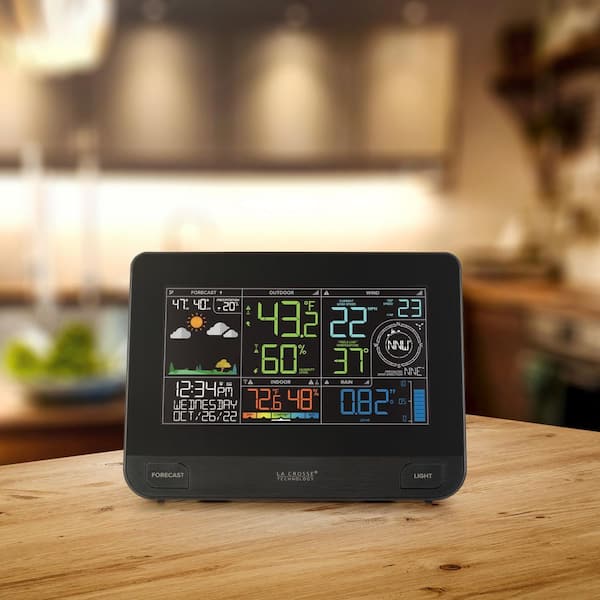
- Monitor changes in temperature throughout the day.
- Keep an eye on cloud cover and wind speed.
- Be aware of any potential thunderstorms or lightning strikes.
- Stay informed about air quality levels in your area.
- Plan outdoor activities based on the weather conditions.
- Have emergency supplies ready in case of severe weather.
Check the weather forecast regularly.
It is important to check the weather forecast regularly to stay informed about upcoming weather conditions. By monitoring the forecast, you can anticipate any changes in weather patterns and prepare accordingly. This simple practice allows you to make informed decisions about your daily activities, travel plans, and overall safety. Regularly checking the weather forecast empowers you to stay ahead of potential weather-related challenges and ensure that you are well-prepared for whatever conditions may arise.
Pay attention to weather alerts and warnings.
It is crucial to pay close attention to weather alerts and warnings to stay informed about potential hazards and changing weather conditions. By heeding these alerts, individuals can take proactive measures to ensure their safety and well-being in the face of severe weather events. Whether it’s a storm, hurricane, or heatwave, being vigilant about weather alerts allows us to make timely decisions and prepare effectively for any impending threats.
Monitor changes in temperature throughout the day.
It is important to monitor changes in temperature throughout the day to stay informed about weather patterns and potential fluctuations. By keeping track of temperature variations, you can anticipate shifts in weather conditions and make appropriate adjustments to your daily plans or activities. Understanding how temperatures evolve during the day can help you dress appropriately, plan outdoor events, and take necessary precautions to ensure your comfort and safety. Stay vigilant and observant of temperature changes to be better prepared for any weather-related changes that may occur.
Keep an eye on cloud cover and wind speed.
It is important to keep an eye on cloud cover and wind speed when monitoring weather conditions. Cloud cover can indicate the likelihood of precipitation or approaching storms, while changes in wind speed can signal the onset of weather disturbances. By paying attention to these factors, individuals can better anticipate potential changes in the weather and make informed decisions about outdoor activities or travel plans.
Be aware of any potential thunderstorms or lightning strikes.
It is crucial to be aware of any potential thunderstorms or lightning strikes when monitoring weather conditions. Thunderstorms can bring heavy rain, strong winds, and lightning that pose significant risks to personal safety and property. By staying informed about the possibility of thunderstorms and lightning strikes, individuals can take necessary precautions, such as seeking shelter indoors, avoiding open fields or bodies of water, and unplugging electronic devices. Being vigilant and prepared for these weather events can help mitigate the dangers associated with thunderstorms and lightning strikes.
Stay informed about air quality levels in your area.
It is important to stay informed about air quality levels in your area as part of monitoring weather conditions. Poor air quality can have adverse effects on health, particularly for individuals with respiratory issues or allergies. By staying updated on air quality levels, you can take necessary precautions such as limiting outdoor activities during high pollution days or using air purifiers indoors to maintain a healthier environment. Being aware of air quality levels allows you to make informed decisions to protect your well-being and that of your loved ones.
Plan outdoor activities based on the weather conditions.
It is important to plan outdoor activities based on the weather conditions to ensure a safe and enjoyable experience. By monitoring the weather forecast beforehand, you can make informed decisions about when and where to engage in outdoor activities. Whether it’s a picnic in the park, a hike in the mountains, or a day at the beach, adjusting your plans according to the expected weather can help you avoid potential risks and maximize your enjoyment of the outdoors. Remember, staying flexible and adaptable to changing weather conditions is key to having a successful outdoor adventure.
Have emergency supplies ready in case of severe weather.
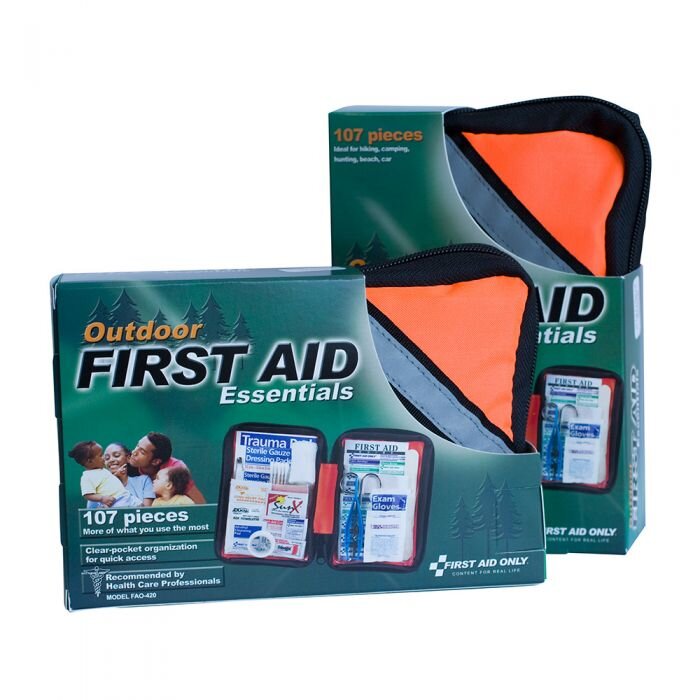
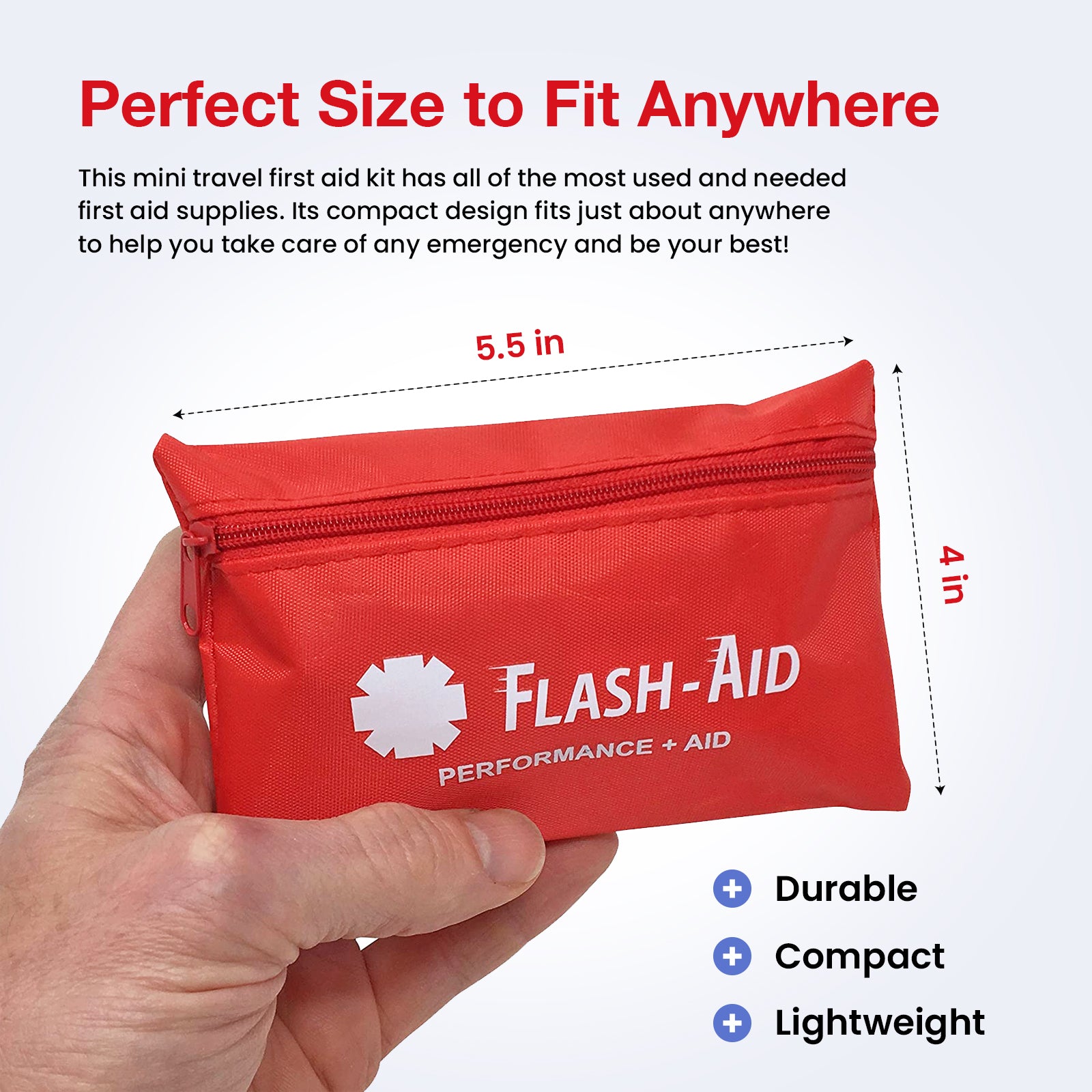
It is crucial to have emergency supplies readily available in case of severe weather. By being prepared with essential items such as first aid kits, non-perishable food, water, flashlights, and batteries, you can ensure your safety and well-being during emergencies. Having these supplies on hand can make a significant difference in your ability to weather the storm and navigate any challenges that may arise due to severe weather conditions.