Should You Move Immediately to Higher Ground or Stay on High Ground During a Flood?
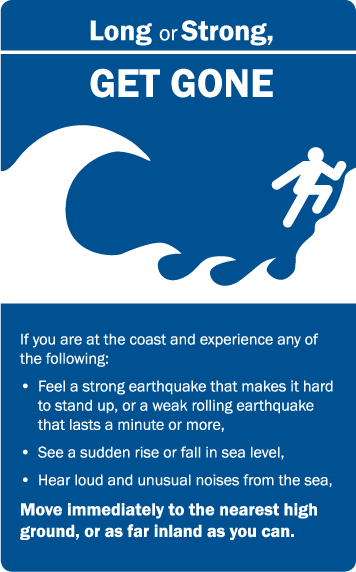
When faced with a flood situation, one of the critical decisions individuals have to make is whether to move immediately to higher ground or stay on high ground. Both options have their pros and cons, and understanding the factors involved can help you make an informed decision.
Moving Immediately to Higher Ground
One of the primary advantages of moving immediately to higher ground during a flood is that it can help you avoid being trapped or swept away by rapidly rising waters. By relocating to an elevated area, you reduce the risk of being caught in dangerous floodwaters and increase your chances of staying safe until help arrives.
However, moving to higher ground may not always be feasible for everyone. Some individuals may face challenges in accessing elevated areas quickly, especially if they have mobility issues or are located far from safe zones. In such cases, staying on high ground may be a more practical option.
Staying on High Ground
If you are already on high ground when a flood occurs, staying in place can offer some level of safety and security. High ground provides natural protection from rising waters and reduces the risk of being directly impacted by flooding. Additionally, staying put can help emergency responders locate and assist you more easily.
However, staying on high ground also comes with its own set of risks. In some situations, floodwaters may continue to rise and pose a threat even to individuals on elevated terrain. It is essential to monitor local weather alerts and evacuation orders carefully to determine if remaining in place is still safe.
Conclusion
In conclusion, whether you should move immediately to higher ground or stay on high ground during a flood depends on various factors such as your location, accessibility to safe zones, and the severity of the flooding. It is crucial to stay informed about weather conditions, follow official guidance from authorities, and prioritize your safety above all else.
Essential Safety Tips for Staying Safe on High Ground During Flood Risks
- Move to higher ground if you are in a low-lying area prone to flooding.
- Stay on high ground during heavy rainfall or when there is a risk of flash floods.
- Avoid crossing flooded areas on foot or in a vehicle as water levels can rise quickly.
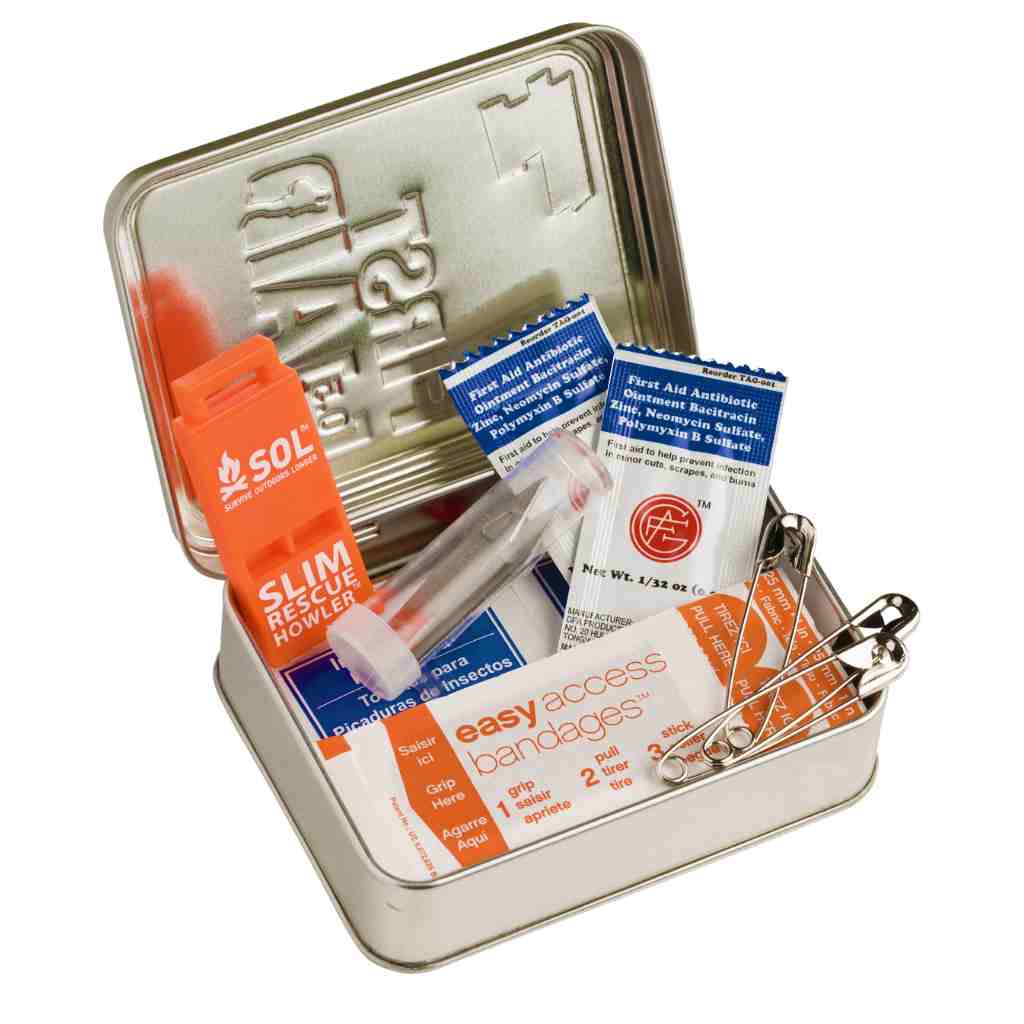
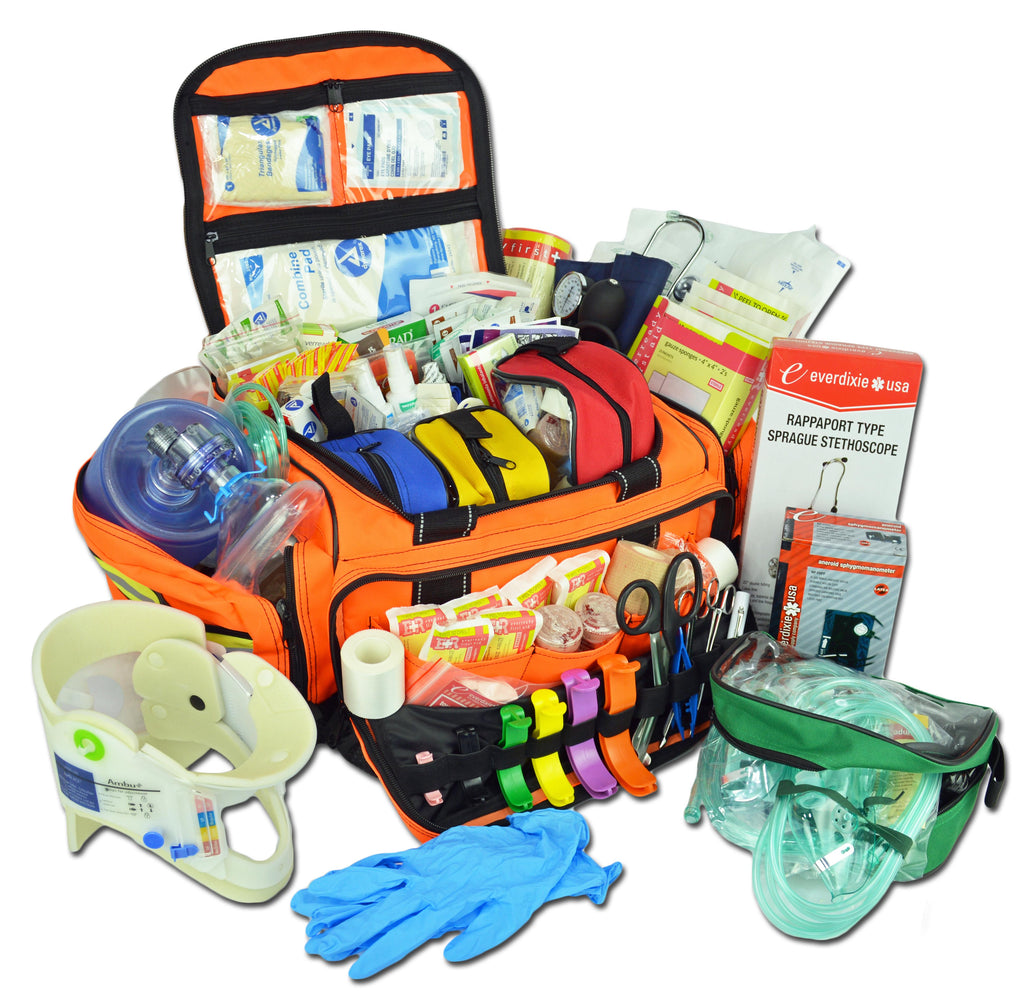
- Keep an emergency kit with essentials such as food, water, and first aid supplies if you need to stay on high ground for an extended period.
- Listen to local authorities for evacuation orders and follow their instructions promptly.
Move to higher ground if you are in a low-lying area prone to flooding.
It is crucial to prioritize your safety during a flood by moving to higher ground if you are in a low-lying area prone to flooding. Low-lying areas are particularly vulnerable to rapidly rising waters during a flood event, increasing the risk of being trapped or swept away. By relocating to elevated terrain, you can significantly reduce the danger posed by flooding and enhance your chances of staying out of harm’s way. Remember, taking proactive measures such as moving to higher ground can make a significant difference in ensuring your well-being during a flood emergency.
Stay on high ground during heavy rainfall or when there is a risk of flash floods.
Staying on high ground during heavy rainfall or when there is a risk of flash floods is a crucial safety tip to remember in flood-prone areas. High ground offers natural protection from rapidly rising waters, reducing the likelihood of being swept away or trapped in dangerous flood conditions. By remaining on elevated terrain, individuals can better safeguard themselves against the immediate threats posed by flash floods and increase their chances of staying safe until the floodwaters recede. It is essential to heed this advice and prioritize personal safety by staying on high ground when faced with intense rainfall or potential flash flood situations.
Avoid crossing flooded areas on foot or in a vehicle as water levels can rise quickly.
It is crucial to avoid crossing flooded areas on foot or in a vehicle during a flood situation, as water levels can rise rapidly and pose significant dangers. Attempting to navigate through flooded streets or terrain can lead to being swept away by strong currents, getting stranded, or encountering hidden hazards beneath the water’s surface. It is always safer to stay on high ground or move to elevated areas if possible, where you can minimize the risk of being caught in swiftly rising waters and increase your chances of staying safe until help arrives.
Keep an emergency kit with essentials such as food, water, and first aid supplies if you need to stay on high ground for an extended period.
It is crucial to be prepared for emergencies, especially when deciding whether to move immediately to higher ground or stay on high ground during a flood. Keeping an emergency kit stocked with essentials such as food, water, and first aid supplies is essential if you anticipate staying on high ground for an extended period. These supplies can sustain you and your family until help arrives, ensuring that you have the necessary resources to stay safe and healthy during a crisis.
Listen to local authorities for evacuation orders and follow their instructions promptly.
It is crucial to listen to local authorities for evacuation orders and follow their instructions promptly when deciding whether to move immediately to higher ground or stay on high ground during a flood. Emergency responders and officials have the expertise and resources to assess the situation accurately and provide guidance on the safest course of action. By heeding evacuation orders and following instructions promptly, individuals can significantly increase their chances of staying safe and minimizing risks during a flood event. Trusting in the guidance of local authorities is essential for effective disaster response and ensuring the well-being of both individuals and communities.