The Importance of Medical Kits: Be Prepared for Emergencies
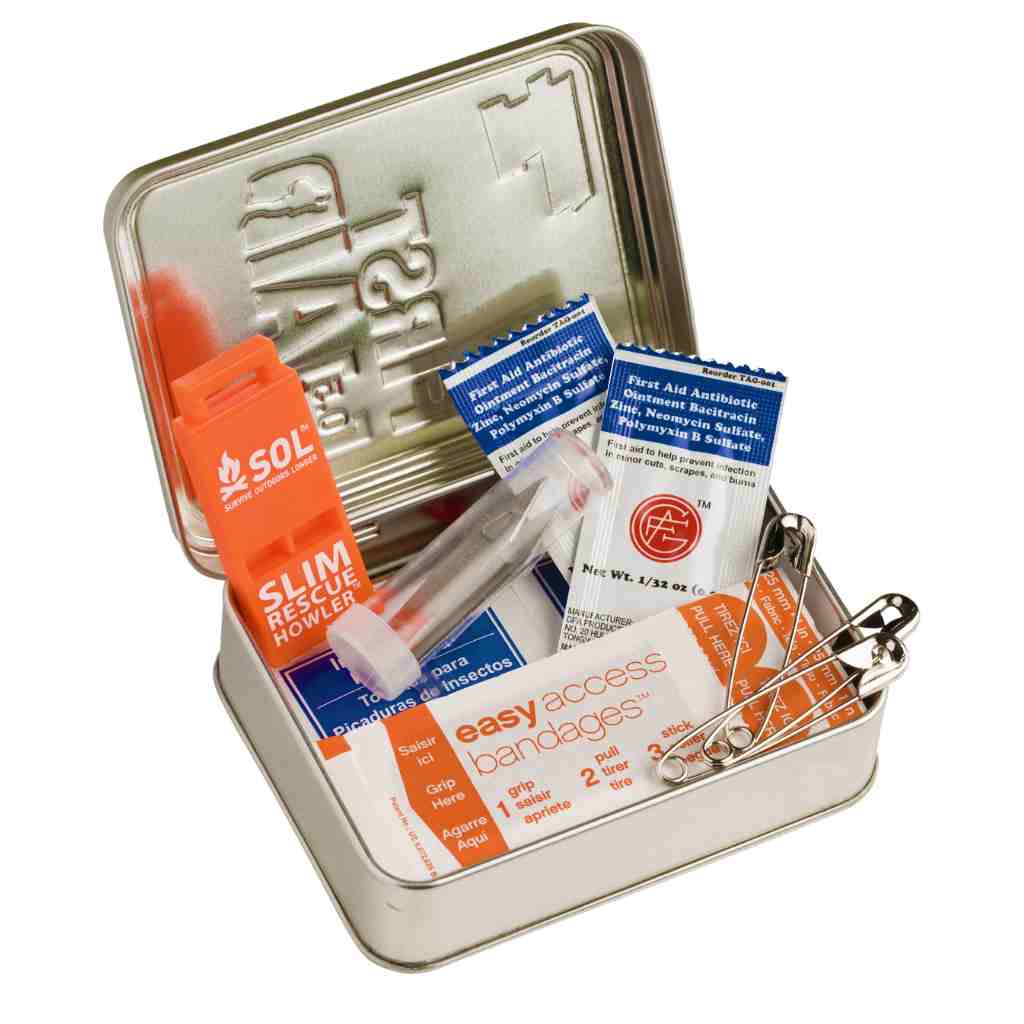
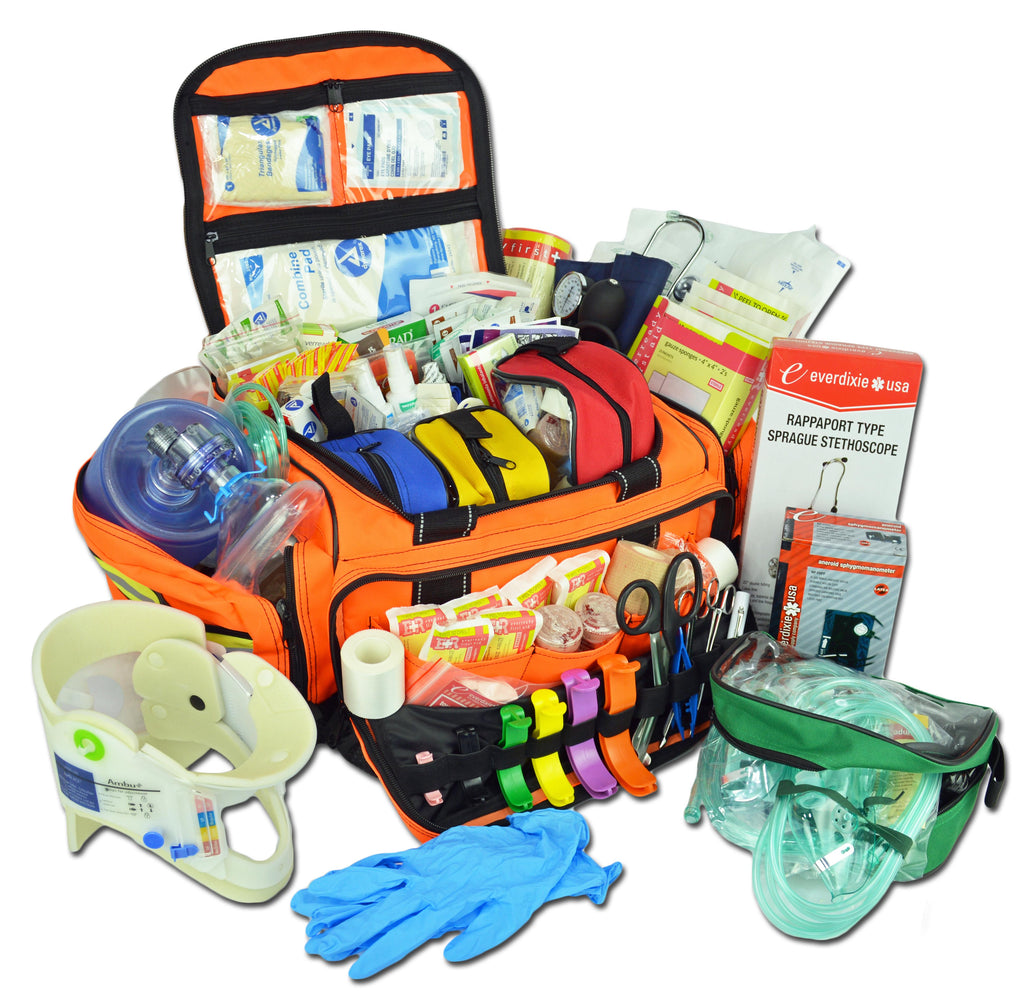
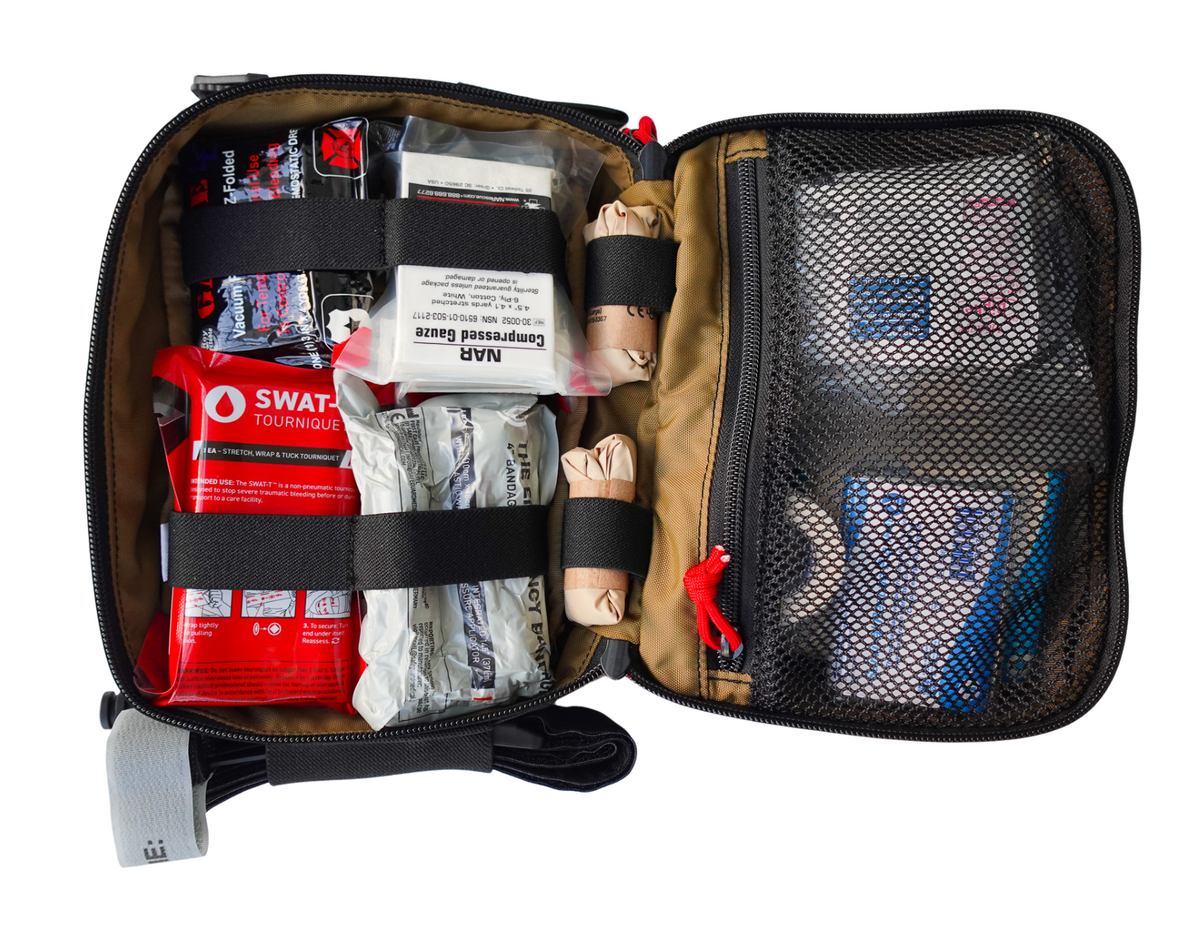
Medical kits are essential tools that can make a significant difference in emergency situations. Whether you are at home, traveling, or participating in outdoor activities, having a well-equipped medical kit can help you respond effectively to injuries and medical emergencies.
Key Components of a Medical Kit
A standard medical kit typically includes items such as:
- Bandages and adhesive tape for wound care
- Gauze pads and sterile dressings for covering wounds
- Antiseptic wipes or solutions for cleaning wounds
- Tweezers and scissors for removing splinters or cutting bandages
- Pain relievers and fever reducers
- Allergy medication such as antihistamines
- Thermometer to monitor body temperature
- Gloves and face masks for protection against contamination
- Emergency contact information and first aid instructions
The Benefits of Having a Medical Kit Handy
Having a well-stocked medical kit offers several advantages:
- Rapid Response: In an emergency, quick access to essential medical supplies can help prevent complications and promote faster recovery.
- Self-Sufficiency: With a medical kit on hand, you can address minor injuries or illnesses without the need for immediate professional medical assistance.
- Promote Safety: Being prepared with a medical kit encourages safety awareness and proactive measures to prevent accidents.
- Peace of Mind: Knowing that you have the necessary tools to handle emergencies can reduce anxiety and provide reassurance in challenging situations.
In Conclusion
Medical kits play a crucial role in ensuring preparedness and effective response during emergencies. It is important to regularly check and replenish the contents of your medical kit to maintain its usefulness. By investing in a quality medical kit and familiarizing yourself with its contents, you can be better equipped to handle unexpected health issues wherever you are.
Essential FAQs for Building and Maintaining Your Medical Kit
- What should be included in a basic medical kit?
- How often should I check and replenish the supplies in my medical kit?
- Are there different types of medical kits for specific purposes, such as travel or outdoor activities?
- Can I customize my medical kit based on my family’s specific health needs?
- Where is the best place to store a medical kit for easy access during emergencies?
- Are there any expiration dates to consider for items in a medical kit?
- What training or knowledge is recommended for effectively using a medical kit?
- How can I ensure that my medical kit remains portable and easy to carry?
- Is it necessary to have multiple smaller medical kits for different locations, such as home, car, and workplace?
What should be included in a basic medical kit?
A basic medical kit should include essential items to address common injuries and emergencies. Key components typically consist of bandages, gauze pads, adhesive tape, antiseptic wipes, scissors, tweezers, pain relievers, allergy medication, thermometer, gloves, face masks, and emergency contact information. These supplies are crucial for wound care, pain relief, and basic medical assessment. It is important to customize your medical kit based on your specific needs and activities to ensure you are prepared for any unexpected health issues that may arise. Regularly checking and restocking your medical kit is also recommended to maintain its effectiveness in times of need.
How often should I check and replenish the supplies in my medical kit?
Regularly checking and replenishing the supplies in your medical kit is crucial to ensure its effectiveness during emergencies. It is recommended to review your medical kit at least every six months to assess the condition of items, check expiration dates, and replace any used or expired supplies. Additionally, it is advisable to inspect your medical kit before embarking on trips or outdoor activities to ensure that it is adequately stocked and ready for use. By maintaining a routine schedule for checking and replenishing your medical kit, you can enhance your preparedness and readiness to respond to unexpected health issues effectively.
Are there different types of medical kits for specific purposes, such as travel or outdoor activities?
Yes, there are different types of medical kits designed for specific purposes, such as travel or outdoor activities. Travel medical kits typically include items tailored to common travel-related health concerns, such as motion sickness medication, rehydration solutions, and insect bite treatment. On the other hand, medical kits for outdoor activities often contain supplies for treating injuries like cuts, sprains, and burns that are more commonly encountered in wilderness settings. It is important to choose a medical kit that aligns with the activities you engage in to ensure you have the necessary supplies for potential emergencies while traveling or participating in outdoor adventures.
Can I customize my medical kit based on my family’s specific health needs?
When it comes to medical kits, customization based on your family’s specific health needs is not only possible but highly recommended. Tailoring your medical kit to accommodate any unique health conditions, allergies, or medications that your family members may have can significantly enhance its effectiveness in times of need. By including specialized items or medications that are relevant to your family’s health requirements, you can ensure that your medical kit is well-equipped to address any potential emergencies or medical situations that may arise. Personalizing your medical kit demonstrates proactive preparedness and ensures that you have the necessary resources to provide appropriate care for your loved ones in any situation.
Where is the best place to store a medical kit for easy access during emergencies?
When considering the best place to store a medical kit for easy access during emergencies, it is crucial to prioritize accessibility and visibility. Ideally, the medical kit should be kept in a central location that is easily reachable by all household members or participants in an activity. Commonly recommended storage areas include a designated cabinet in the kitchen, a hallway closet, or a clearly labeled shelf in a high-traffic area. It is essential to avoid storing the medical kit in places that are difficult to reach or prone to clutter. By choosing a convenient and easily accessible location for your medical kit, you can ensure quick access during critical situations and facilitate prompt response to medical emergencies.
Are there any expiration dates to consider for items in a medical kit?
When it comes to items in a medical kit, it is important to be aware of expiration dates. Many products, such as medications, ointments, and disinfectants, have a limited shelf life and can lose their effectiveness over time. It is crucial to regularly check the expiration dates of items in your medical kit and replace any expired or damaged supplies promptly. Ensuring that your medical kit is stocked with fresh and functional supplies will help you respond effectively to emergencies and maintain the safety and well-being of those in need.
What training or knowledge is recommended for effectively using a medical kit?
Having the appropriate training and knowledge is crucial for effectively using a medical kit in emergency situations. It is recommended that individuals undergo basic first aid training to understand how to assess injuries, administer treatments, and use the supplies within a medical kit correctly. Additionally, staying informed about common medical emergencies and practicing scenarios can enhance one’s ability to respond effectively when faced with an unexpected situation. Regularly updating skills and knowledge through refresher courses or workshops can further ensure that individuals are prepared to utilize a medical kit efficiently and provide timely assistance when needed.
How can I ensure that my medical kit remains portable and easy to carry?
To ensure that your medical kit remains portable and easy to carry, it is important to prioritize compactness and organization. Choose a sturdy, lightweight container with compartments or pockets to keep items neatly arranged and easily accessible. Opt for travel-sized versions of essential supplies to minimize bulkiness while ensuring you have the necessary items for emergencies. Regularly review and update the contents of your medical kit, discarding expired items and replenishing supplies as needed. Consider investing in a portable first aid pouch or bag that can be easily carried in a backpack, purse, or vehicle glove compartment for convenience on the go. By maintaining a compact and well-organized medical kit, you can ensure readiness for unexpected situations without compromising mobility.
Is it necessary to have multiple smaller medical kits for different locations, such as home, car, and workplace?
It is highly recommended to have multiple smaller medical kits tailored for different locations, such as home, car, and workplace. Each setting presents unique risks and potential emergencies, making it essential to have the necessary supplies readily available. A home medical kit can address common household injuries, while a car kit may include items for road accidents or emergencies. Similarly, a workplace kit can cater to injuries or health issues that may arise in a professional setting. By having designated medical kits for various locations, individuals can ensure they are prepared to respond effectively to emergencies wherever they may occur.