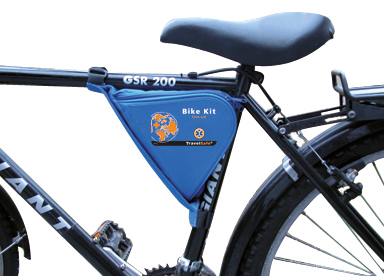
How to Build a Bike First Aid Kit
A compact first aid kit can make a cycling mishap easier to manage, whether you get a minor scrape on a neighborhood ride or need to help someone while waiting for emergency responders. The best bike first aid kit is lightweight, protected from weather, and suited to the length and location of your rides.
What to Include
Choose supplies for common minor injuries, such as cuts, scrapes, blisters, and small strains. A practical kit may include:
- Disposable nitrile gloves: Help reduce contact with blood and bodily fluids.
- Adhesive bandages: Pack several sizes for small cuts and scrapes.
- Sterile gauze pads and a roll of medical tape: Useful for covering larger wounds.
- Antiseptic wipes: Handy for cleaning around a wound when clean water is not available. Follow the product directions.
- Small scissors and tweezers: Scissors can trim tape or gauze; tweezers can help remove visible debris or splinters. Don’t dig into a wound.
- Blister treatment: Moleskin or blister bandages can help protect irritated skin.
- Elastic wrap: Can provide light support for a minor strain. It should not be so tight that it causes numbness, tingling, increased pain, or discoloration.
- Emergency blanket: A compact blanket can help someone stay warm while waiting for assistance.
- Personal medications: Carry any medication you may need, in its original packaging when practical. Check expiration dates and storage instructions.
- Emergency information: Keep essential contact and medical information accessible, while considering your privacy.
For longer or remote rides, consider carrying additional supplies and taking a first aid course. What you bring should match your training: supplies are most useful when you know how to use them safely.
Keep the Kit Compact and Protected
Store supplies in a small, durable pouch that fits in a jersey pocket, saddle bag, or backpack. A water-resistant pouch helps protect dressings and other items from rain, mud, and sweat. Keep the kit separate from tools and sharp objects so its contents remain clean and easy to find.
Before a ride, make sure the kit is easy to reach. Let a riding partner know where it is, especially on group rides. If you ride with children or someone who has specific medical needs, plan the kit around those needs and make sure a responsible adult knows what to do.
What to Do in an Emergency
First, make the scene as safe as possible. Move out of traffic if you can do so without worsening an injury, and ask someone to watch for approaching vehicles. For a serious injury, call 911 in the United States. Follow the dispatcher’s instructions and avoid moving someone who may have a head, neck, or back injury unless staying in place presents an immediate danger.
For a minor cut or scrape, use gloves if available, rinse away dirt with clean water when possible, and cover the area with a clean dressing. Seek professional medical care for a wound that is deep, won’t stop bleeding, contains embedded debris, or shows signs of infection. After a crash, get urgent medical help for symptoms such as loss of consciousness, confusion, trouble breathing, severe pain, or worsening condition.
A first aid kit is not a substitute for professional medical care. When in doubt, contact emergency services or a qualified medical professional.
Check and Replace Supplies
Inspect your kit regularly and after every use. Replace opened, damaged, wet, or expired items, and make sure gloves and dressings are still sealed. A quick check before a long ride can help ensure your kit is ready when you need it.
A thoughtfully packed bike first aid kit takes up little space and can help you respond calmly to common problems on the road or trail. Pair it with good riding habits, a charged phone, and basic first aid knowledge for a safer ride.
Bike First Aid Kit FAQs: What to Pack, Where to Carry It, and How to Handle Injuries
- What should I include in a bike first aid kit?
- How do I choose a compact first aid kit for cycling?
- Where should I carry my bike first aid kit?
- How often should I check or replace items in my kit?
- What first aid supplies are most useful for cuts and scrapes while cycling?
- Should I carry different first aid supplies for long or remote rides?
- What should I do if someone has a serious injury during a bike ride?
What should I include in a bike first aid kit?
A bike first aid kit should be compact, weather-resistant, and suited to your ride. Include disposable nitrile gloves, assorted adhesive bandages, sterile gauze pads, medical tape, antiseptic wipes, blister dressings, tweezers, and small scissors. An elastic wrap and emergency blanket can be useful on longer or remote rides, and you should also carry any personal medications you may need. Check the kit regularly, replace used or expired supplies, and only use items you know how to use safely.
How do I choose a compact first aid kit for cycling?
Choose a compact cycling first aid kit that’s lightweight, weather-resistant, and easy to reach in a jersey pocket, saddle bag, or backpack. Look for essentials such as disposable gloves, assorted adhesive bandages, gauze, medical tape, antiseptic wipes, blister treatment, and tweezers, then add any personal medications or supplies suited to your health needs and typical rides. For longer or remote routes, carry extra supplies and make sure you know how to use them. Check the kit regularly and replace anything used, damaged, or expired.
Where should I carry my bike first aid kit?
Carry your bike first aid kit somewhere easy to reach, such as a clearly marked pocket in your jersey, backpack, or handlebar bag. For shorter rides, a compact kit may fit in a saddle bag, but make sure you can access it without unpacking tools or removing a wheel. Keep supplies in a sealed, water-resistant pouch to protect them from rain, sweat, and dirt, and let riding partners know where the kit is stored.
How often should I check or replace items in my kit?
Check your bike first aid kit every few months and before longer rides. Replace anything you’ve used, opened, damaged, or exposed to moisture, and check expiration dates on items such as antiseptic wipes and medications. After restocking, make sure the kit is sealed, easy to reach, and suited to your planned ride.
What first aid supplies are most useful for cuts and scrapes while cycling?
For cuts and scrapes while cycling, carry disposable nitrile gloves, clean water or saline to rinse the wound, antiseptic wipes for cleaning around it, sterile gauze pads, medical tape, and adhesive bandages in several sizes. A small pair of scissors can help trim gauze or tape. After cleaning the injury, cover it with a clean dressing; seek medical care for deep wounds, embedded debris, heavy bleeding, or signs of infection.
Should I carry different first aid supplies for long or remote rides?
Yes. Long or remote rides can mean more time before help arrives, so consider carrying a few extra dressings, gauze, medical tape, blister care, and any personal medications you may need. A compact emergency blanket and a way to contact emergency services can also be useful. Pack supplies suited to the conditions and your first aid training, and let your riding partners know what you have. For serious injuries, call 911 and follow the dispatcher’s instructions.
What should I do if someone has a serious injury during a bike ride?
If someone has a serious injury during a bike ride, make the area safe and call 911 in the United States. Don’t move the injured person unless they’re in immediate danger, and follow the dispatcher’s instructions. If they’re bleeding heavily, apply firm, direct pressure with clean gauze or cloth if it’s safe to do so. Keep them as still and warm as possible, monitor their breathing and responsiveness, and ask another person to guide emergency responders to the location. Use first aid supplies only within your training, and don’t give the person food or drink.