How to Build a Custom First Aid Kit
A well-stocked first aid kit can help you handle minor injuries and provide basic care while you seek help. A custom first aid kit is tailored to the people, activities, and conditions it is meant for—whether it stays at home, travels in a car, or goes along on a hike.
Start with Who and Where
Think about who may use the kit and the situations it needs to cover. A household kit may need supplies for children, older adults, or people with specific health needs. A travel kit should be compact and suited to the destination and activities. For outdoor use, consider weather, terrain, and how far you may be from medical care.
Ask household members about allergies and relevant medical needs. Keep personal medicines and care instructions accessible, but store prescription medications according to their labels and your health care professional’s guidance.
Basic Supplies to Include
Use these items as a starting point, then adjust the contents for your needs:
- Adhesive bandages in assorted sizes
- Sterile gauze pads and roller gauze
- Medical adhesive tape
- Antiseptic wipes
- Disposable, non-latex gloves
- Small scissors and tweezers
- Instant cold pack
- Elastic bandage
- Digital thermometer
- CPR face shield or breathing barrier
- First aid guide and emergency contact information
Depending on your circumstances, you may also want items such as blister care supplies, burn dressings, an emergency blanket, or a flashlight. Choose products that you know how to use, and follow the instructions on their packaging.
Customize for Specific Needs
For a Household
Include supplies for common minor injuries, and make sure the kit is easy for adults to find. If children are in the home, keep medicines and potentially hazardous items secured and out of their reach. Add a list of emergency contacts and relevant health information, while protecting personal information from unnecessary access.
For a Car
Choose a sturdy, portable container and consider supplies for minor injuries, poor weather, or delays. Keep the kit secured so it does not become a hazard while driving. Avoid storing temperature-sensitive items in a vehicle if heat or cold could damage them; check product labels and replace anything affected by extreme temperatures.
For Outdoor Activities
Pack lightweight, durable supplies suited to the activity and group size. Hikers may want blister dressings and a way to protect supplies from moisture. For remote trips, consider taking a first aid or wilderness first aid course so you can respond appropriately when professional care is not nearby.
For Personal Medical Needs
People with particular health conditions may need to carry prescribed medicines or condition-specific supplies. Ask a health care professional or pharmacist what is appropriate, how it should be stored, and when it should be used. Do not add prescription medicines for someone else to a shared kit.
Organize and Maintain the Kit
Place supplies in a clean, water-resistant container with clearly labeled compartments. Keep frequently used items easy to reach, and store the kit where responsible adults can access it quickly. Make sure everyone who may need it knows where it is.
Check the kit regularly and after each use. Replace opened, damaged, or expired products, and restock anything that has run low. Review instructions and contact information as household needs change. A simple checklist inside the container can make inspections easier.
Know the Limits of First Aid
A first aid kit supports basic care; it does not replace professional medical treatment or emergency services. Call 911 for life-threatening emergencies, such as severe bleeding, difficulty breathing, loss of consciousness, or a serious injury. Take a recognized first aid and CPR course to learn how to use supplies safely and confidently.
The most useful custom first aid kit is one that fits your situation, is kept up to date, and contains supplies you know how to use.
7 Tips for Building a Custom First Aid Kit for Your Family
- Choose a sturdy, water-resistant case.
- Tailor supplies to your family’s health needs.
- Include medications and check expiration dates.
- Add gloves, gauze, bandages, and antiseptic wipes.
- Pack tweezers, scissors, and a digital thermometer.
- Keep emergency contacts and allergy details inside.
- Store it somewhere visible and easy to reach.
Choose a sturdy, water-resistant case.
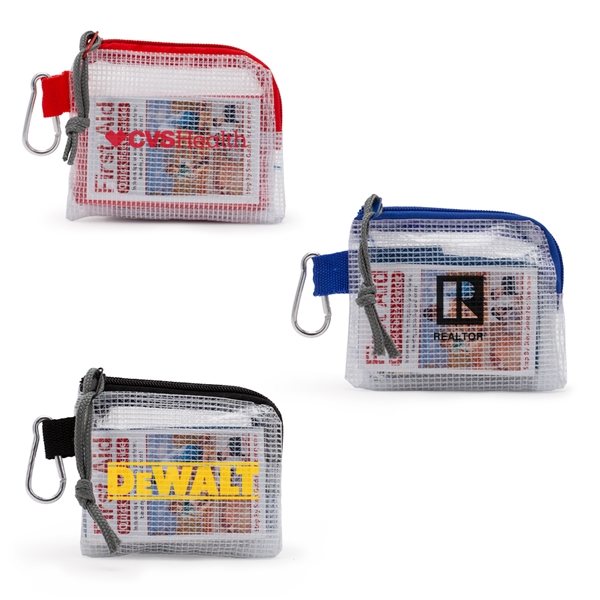
Choose a sturdy, water-resistant case to protect your first aid supplies from bumps, spills, and moisture. A durable case helps keep items clean and usable, while secure closures prevent contents from falling out during travel or outdoor activities. Look for one that’s easy to open quickly and has compartments to keep supplies organized.
Tailor supplies to your family’s health needs.
Tailor your first aid kit to your family’s health needs by considering allergies, medical conditions, ages, and any supplies family members use regularly. Ask a health care professional or pharmacist what items are appropriate and how to store them, especially prescription medicines or temperature-sensitive products. Keep instructions current, store medicines safely, and check the kit regularly so essential supplies are available when needed.
Include medications and check expiration dates.
Include any medications your household may need, such as personal prescriptions or commonly used over-the-counter medicines, and store them according to their labels. Keep medicines in their original packaging when possible, and make sure they’re clearly identified and safely stored away from children. Check expiration dates regularly, replacing expired or damaged items and restocking anything you’ve used.
Add gloves, gauze, bandages, and antiseptic wipes.
Add disposable gloves, sterile gauze, assorted adhesive bandages, and antiseptic wipes to your custom first aid kit. Gloves help reduce contact with blood and other bodily fluids, while gauze and bandages can cover and protect minor wounds. Antiseptic wipes are useful for cleaning the surrounding skin before applying a dressing. Check supplies regularly and replace anything that has been used, damaged, or expired.
Pack tweezers, scissors, and a digital thermometer.
Pack tweezers, scissors, and a digital thermometer in your custom first aid kit. Tweezers can help remove small splinters, scissors make it easier to cut gauze or medical tape, and a digital thermometer helps you check for a fever. Store them in a clean, easy-to-reach compartment, and follow the manufacturer’s instructions for safe use and cleaning.
Keep emergency contacts and allergy details inside.
Keep a list of emergency contacts and important allergy details inside your custom first aid kit. Include names, phone numbers, known allergies, and any critical medical information responders may need. Store the information in a sealed, easy-to-find sleeve, and review it regularly to keep it accurate and up to date.
Store it somewhere visible and easy to reach.
Store your custom first aid kit in a visible, easy-to-reach place so it can be found quickly during an emergency. Choose a consistent spot that adults and older children know, and keep the kit away from hazards such as excessive heat, moisture, or small children’s reach when it contains medicines or sharp tools. After using it, return it to the same location and restock any supplies you used.