How to Choose and Prepare a First Aid Kit Box
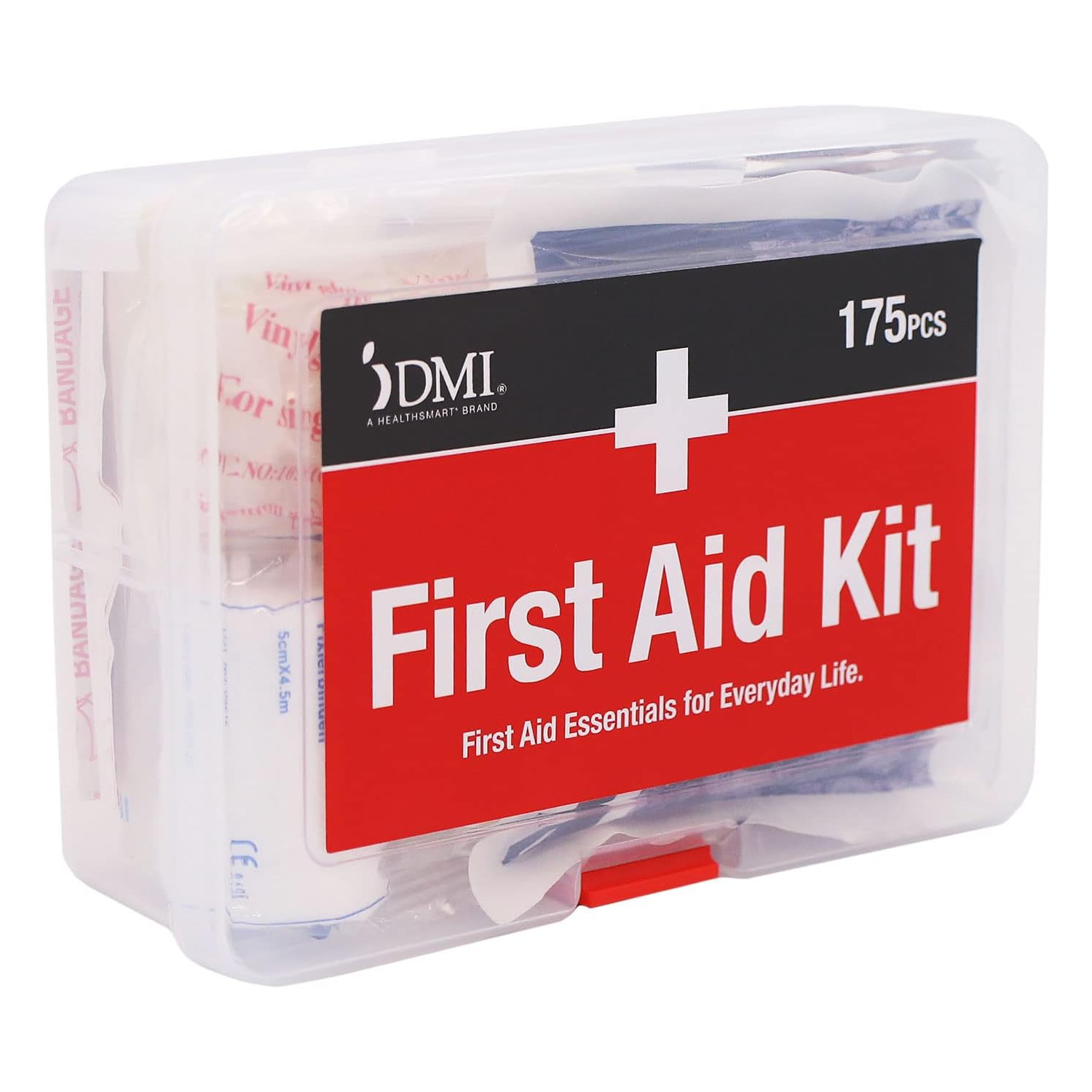
A well-stocked first aid kit box can help you handle minor injuries and provide basic care while you arrange professional help. Keeping supplies together in a clearly marked, easy-to-carry container makes them easier to find at home, in a vehicle, or during an emergency.
Choosing a First Aid Kit Box
Look for a box or bag that is sturdy, easy to open, and large enough to hold your supplies without being difficult to carry. A waterproof or water-resistant container can help protect contents from moisture. Choose a bright color or add a clearly visible “First Aid” label so people can locate it quickly.
For home use, a larger box with compartments can help keep supplies organized. For a car, workplace, or go-bag, a compact kit may be more practical. If you use a hard-sided box, make sure it is not so heavy or bulky that it will be left behind during an evacuation.
What to Include
Build your kit around the needs of the people who may use it. A general household kit may include:
- Adhesive bandages in several sizes
- Sterile gauze pads and roller bandages
- Medical tape and scissors
- Disposable gloves
- Antiseptic wipes and antibiotic ointment
- Tweezers and a digital thermometer
- Instant cold packs
- A first aid guide and emergency contact information
- Personal medications and supplies for specific health needs
Consider adding items for children, older adults, pets, or anyone with allergies or ongoing medical needs. Keep medications in their original packaging when possible, and follow their storage instructions. A first aid kit is not a substitute for training; consider taking a recognized first aid and CPR course.
Keep It Ready for Emergencies
Store the kit in a place that household members can reach quickly, but keep it away from young children unless they are supervised. Let everyone know where it is and how to use the basic supplies. If you keep a kit in a vehicle, check that its contents can tolerate heat and cold, and replace anything damaged by temperature changes.
Inspect your kit at least twice a year and after each use. Replace expired medications, opened or damaged items, and supplies that are running low. Make sure batteries in any included devices are working.
Preparing for Flooding
Floodwater can expose people to debris, contaminated water, and other hazards. Keep a first aid kit in a waterproof container as part of your emergency supplies, and store it where you can reach it if you need to leave quickly. Do not enter floodwater to reach a kit or assist someone unless it is safe to do so. After a flood, discard supplies that have become wet or may have been contaminated.
For serious bleeding, trouble breathing, signs of shock, or any life-threatening emergency, call 911. Follow the dispatcher’s instructions and do not delay professional care while searching for supplies.
9 Benefits of a First Aid Kit Box: Stay Organized, Protected, and Prepared
- Keeps supplies organized.
- Makes essentials easy to find.
- Protects items from dust and damage.
- Helps you respond quickly to minor injuries.
- Portable for home, work, or travel.
- Can be customized for family needs.
- Clearly labeled boxes are easy to spot.
- Compartments keep supplies sorted.
- Supports emergency preparedness.
6 Drawbacks of a First Aid Kit Box
- Can take up valuable storage space.
- May be hard to carry if oversized.
- Supplies can expire or run out.
- Contents may be difficult to organize.
- A rigid box may crack or leak.
- Does not replace first aid training.
Keeps supplies organized.
A first aid kit box keeps medical supplies organized and easy to find when time matters. Separate compartments can hold items such as bandages, gauze, antiseptic wipes, and scissors, so you can quickly locate what you need instead of searching through a loose pile. A clearly labeled, well-organized kit also makes it easier to notice when supplies are running low or need to be replaced.
Makes essentials easy to find.
A first aid kit box keeps bandages, gloves, antiseptic wipes, and other supplies organized in one easy-to-find place. In a stressful moment, clear compartments and a visible label can help you locate what you need quickly, without searching through drawers or cabinets.
Protects items from dust and damage.
A first aid kit box helps keep medical supplies clean, organized, and ready to use by protecting them from dust, dirt, and everyday damage. Its sturdy container can reduce the risk of items being crushed, torn, or misplaced, while a secure lid helps keep essential supplies in good condition until they’re needed.
Helps you respond quickly to minor injuries.
A first aid kit box helps you respond quickly to minor injuries by keeping essentials like bandages, gauze, and antiseptic wipes organized and easy to find. When supplies are close at hand, you can clean and cover a small cut or treat a scrape sooner, instead of wasting time searching through drawers.
Portable for home, work, or travel.
A portable first aid kit box makes basic medical supplies easy to keep close wherever you are. Store one at home, bring it to work, or pack it for road trips and vacations so bandages, gauze, and other essentials are within reach when minor injuries happen. Choose a compact, durable box that’s easy to carry and simple to access.
Can be customized for family needs.
A first aid kit box can be customized to suit your family’s specific needs. You can add child-friendly bandages, allergy medications, prescription supplies, or items for older adults and people with ongoing health conditions. Tailoring the kit to the people in your household helps ensure that essential supplies are available when they’re needed.
Clearly labeled boxes are easy to spot.
A clearly labeled first aid kit box is easy to spot when every second counts. A bold “First Aid” label helps family members, coworkers, or emergency responders find supplies quickly, even in a crowded cabinet or unfamiliar space. Choose a label that is easy to read and keep the box in a consistent, accessible location.
Compartments keep supplies sorted.
Compartments keep the supplies in a first aid kit box sorted and easy to find. Bandages, gauze, gloves, and other items can each have a designated place, so you can quickly grab what you need instead of searching through a pile of supplies. After using the kit, compartments also make it easier to see what needs replacing.
Supports emergency preparedness.
A first aid kit box supports emergency preparedness by keeping essential medical supplies organized and easy to find when time matters. Whether it’s stored at home, in a vehicle, or in an emergency go-bag, a clearly labeled, well-stocked kit can help people respond to minor injuries while they contact emergency services or wait for professional help. Regularly checking and replacing used or expired items helps ensure the kit is ready when needed.
Can take up valuable storage space.
A first aid kit box can take up valuable storage space, especially in small homes, apartments, or vehicles where every inch matters. A large box may be difficult to fit in a convenient, easy-to-reach spot, while storing it in an out-of-the-way place can make it harder to find during an emergency. Choosing a compact kit and organizing supplies efficiently can help balance accessibility with limited space.
May be hard to carry if oversized.
An oversized first aid kit box can be difficult to carry, especially during an evacuation or when you need to reach an injured person quickly. A bulky container may also take up valuable space in a car, emergency bag, or storage area. Choose a size that holds the supplies you need while remaining easy to lift and transport.
Supplies can expire or run out.
One drawback of a first aid kit box is that its supplies can expire, get damaged, or run out after use. Expired medications and depleted items may not be reliable when an injury occurs, so check the kit regularly, replace anything used or out of date, and restock essential supplies.
Contents may be difficult to organize.
A first aid kit box can become cluttered, especially when supplies are added or used over time. Small items may shift between compartments or get buried beneath larger products, making it harder to find what you need quickly during an emergency. Regularly sorting the contents, using labeled dividers, and replacing used supplies can help keep the box organized.
A rigid box may crack or leak.
A rigid first aid kit box can crack if it is dropped, crushed, or exposed to extreme temperatures, and damaged seams or latches may let water in. If the contents get wet or contaminated, some supplies may no longer be safe to use. Check the box regularly for cracks and loose closures, and consider a water-resistant bag or an additional sealed pouch for items that must stay dry.
Does not replace first aid training.
A first aid kit box can provide useful supplies, but it does not replace first aid training. Without knowing how to assess an injury and use the items correctly, you may not be able to provide effective help—and some actions could make an injury worse. Consider taking a certified first aid and CPR course, and call 911 for serious or life-threatening emergencies.