Motorcycle Medical Kit: What to Carry on Every Ride
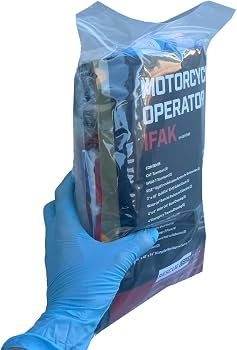
A compact motorcycle medical kit can help you respond to minor injuries and provide basic first aid while professional help is on the way. It cannot replace emergency services or medical training, but the right supplies—stored where they are easy to reach—can make a roadside situation safer and more manageable.
What to Pack
Choose supplies that are compact, durable, and suitable for the kinds of rides you take. A practical kit may include:
- Disposable nitrile gloves: Carry several pairs to reduce contact with blood and other bodily fluids.
- Gauze pads and trauma dressings: Useful for covering wounds and applying pressure to bleeding.
- Adhesive bandages: Pack a few sizes for small cuts and scrapes.
- Medical tape: Helps secure dressings and bandages.
- Antiseptic wipes: Useful for cleaning minor wounds when clean water is not available. Follow the product directions.
- Elastic bandage: Can provide support for a sprain or help hold a dressing in place.
- Trauma shears: Designed to cut clothing and bandages. Use care around an injured person.
- Small tweezers: Helpful for removing superficial splinters, but not for objects embedded in a wound.
- Emergency blanket: Can help protect an injured person from cold, wind, or rain while waiting for help.
- CPR face shield: A compact barrier to carry if you are trained to provide rescue breaths.
- Personal necessities: Include any essential medications you use, kept in their original packaging when practical.
Some riders carry a tourniquet or hemostatic dressing. These items require proper training and should be used only according to that training and the product instructions. A first-aid course can help you decide what to carry and how to use it.
Choose a Kit That Fits Your Riding
For short trips, a small pouch may be enough for minor injuries and basic wound care. Longer rides, remote routes, and group trips may call for additional supplies and a more comprehensive kit. Consider where you ride, how far you may be from help, the number of people in your group, and the available storage space.
Keep the kit in a secure, weather-resistant case or bag. Store it where it can be reached without unloading the motorcycle, and make sure it cannot shift or interfere with riding controls. Avoid placing supplies where heat, moisture, or vibration could damage them. Check the manufacturer’s storage instructions, especially for medications and adhesive products.
Know What to Do in an Emergency
Supplies are only part of preparedness. Before approaching a crash scene, look for traffic, fire, fuel, downed power lines, or other hazards. Move to a safe location if possible, call 911 when there is a serious injury, and follow the dispatcher’s instructions. Do not put yourself or others at additional risk.
If someone is injured, do not remove a helmet unless necessary to manage an immediate life-threatening problem and you are trained to do so. Avoid moving an injured person unless remaining in place presents a danger. For heavy bleeding, use firm, direct pressure with a dressing and seek emergency care. Do not remove an object embedded in a wound; apply pressure around it and wait for professional help.
For minor cuts and scrapes, clean the area when appropriate, cover it with a clean dressing, and watch for signs that medical attention is needed. When in doubt—especially after a crash, head impact, severe pain, difficulty breathing, or loss of consciousness—call 911.
Inspect and Restock Your Kit
Check your motorcycle medical kit regularly and after every use. Replace used or damaged items, inspect packaging, and remove expired products. Make sure gloves and dressings are still sealed and that the kit remains easy to access. A simple inspection before a longer trip can prevent an unpleasant surprise on the roadside.
Pair Supplies With Training
A motorcycle medical kit is most useful when paired with first-aid and CPR training. Consider taking a course from a recognized provider and refreshing your skills periodically. Learn the limits of your training, carry a charged phone, and know how to share your location with emergency services.
The best kit is one that suits your rides, stays in good condition, and is familiar to you. A few minutes of preparation can help you respond more calmly if an injury occurs.
Essential FAQs for Assembling and Maintaining Your Motorcycle Medical Kit
- What should I include in a motorcycle medical kit?
- What is the best motorcycle medical kit for long-distance rides?
- Where should I store a medical kit on my motorcycle?
- How often should I check and restock my motorcycle medical kit?
- Are motorcycle medical kits required by law in the United States?
- Should I carry a tourniquet in my motorcycle medical kit?
- How can I protect medical supplies from heat, rain, and vibration?
- What first-aid training should motorcyclists get before carrying a medical kit?
What should I include in a motorcycle medical kit?
A motorcycle medical kit should include disposable nitrile gloves, gauze pads and a trauma dressing, adhesive bandages, medical tape, antiseptic wipes, an elastic bandage, trauma shears, tweezers, and an emergency blanket. Add any personal medications you may need, and consider a CPR face shield. Choose compact, weather-resistant supplies that fit securely on your motorcycle, and check the kit regularly to replace used, damaged, or expired items. A first-aid course can help you learn how to use the supplies safely.
What is the best motorcycle medical kit for long-distance rides?
The best motorcycle medical kit for long-distance rides is compact, weather-resistant, securely packed, and stocked for both minor injuries and urgent first aid. Look for gloves, gauze and trauma dressings, bandages, medical tape, antiseptic wipes, trauma shears, an emergency blanket, and any personal medications you may need; choose additional supplies based on your route and training. Keep the kit accessible, check expiration dates and packaging regularly, and consider taking a first-aid course so you know how to use its contents safely.
Where should I store a medical kit on my motorcycle?
Store your medical kit in a secure, weather-resistant spot that’s easy to reach without unloading your motorcycle, such as a dedicated pannier or tail bag. Keep it firmly fastened so it won’t shift, and away from excessive heat, moisture, and anything that could puncture or crush the supplies. Avoid placing it where it could interfere with steering, controls, or safe handling, and make sure you know exactly where it is before you ride.
How often should I check and restock my motorcycle medical kit?
Check your motorcycle medical kit at least every six months and before long or remote rides. After each use, replace anything used or damaged, and check expiration dates, seals, and packaging. Restock expired or weather-damaged supplies promptly, and make sure the kit is securely stored, easy to access, and suited to the conditions of your planned ride.
Are motorcycle medical kits required by law in the United States?
Motorcycle medical kits are generally not required by law for private riders in the United States, and there is no federal requirement to carry one. Requirements can vary for certain commercial, workplace, or organized riding activities, so check applicable state and local rules if those situations apply. Even when not required, a compact, well-stocked kit can be useful for handling minor injuries while you seek professional help when needed.
Should I carry a tourniquet in my motorcycle medical kit?
You may carry a tourniquet if you know how to use it, especially for rides far from emergency services, but it is intended only for life-threatening bleeding from an arm or leg—not minor wounds. Choose a reputable commercial tourniquet, store it where it is easy to reach, and take a hands-on first-aid course so you can use it safely. Call 911 for serious bleeding and follow the dispatcher’s instructions.
How can I protect medical supplies from heat, rain, and vibration?
Protect medical supplies by storing them in a sealed, water-resistant hard case or dry bag, secured firmly to the motorcycle and away from the engine, exhaust, and direct sunlight. Use padded dividers or small inner pouches to limit vibration and keep items from shifting, and leave supplies in their original packaging when possible. Check product labels for temperature and storage requirements, since heat can damage medications, adhesives, and sterile items. Inspect the kit regularly for moisture, torn packaging, or expired supplies, and replace anything that may have been compromised.
What first-aid training should motorcyclists get before carrying a medical kit?
Motorcyclists should consider taking a hands-on first-aid and CPR/AED course from a recognized provider, with instruction in scene safety, calling 911, controlling severe bleeding, treating shock, and recognizing possible head, neck, or spinal injuries. Training can also explain how to use supplies such as dressings, gloves, and tourniquets safely; specialized items should only be used within the limits of your training. Refresh your skills regularly, since carrying a medical kit is most effective when you know what it can—and cannot—do.