How to Build a Wilderness First Aid Kit
A wilderness first aid kit helps you handle common injuries and illnesses when professional care may be hours away. The right kit depends on your destination, trip length, group size, weather, and each person’s medical needs. A short day hike may call for a compact kit; a remote, multi-day trip requires more supplies and the knowledge to use them.
A first aid kit is not a substitute for training, emergency planning, or evacuation. Take a wilderness first aid course before traveling far from medical care, and check current guidance from local land managers. In an emergency, contact emergency services when possible and follow the dispatcher’s instructions.
Core Supplies
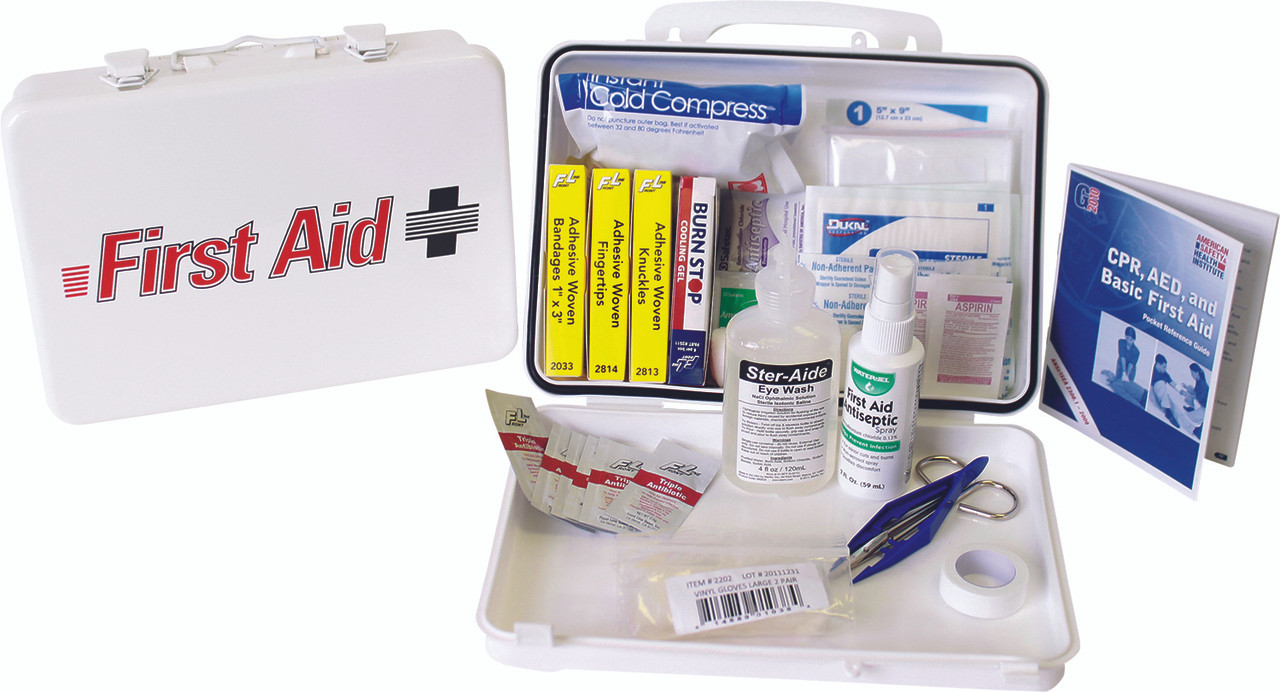
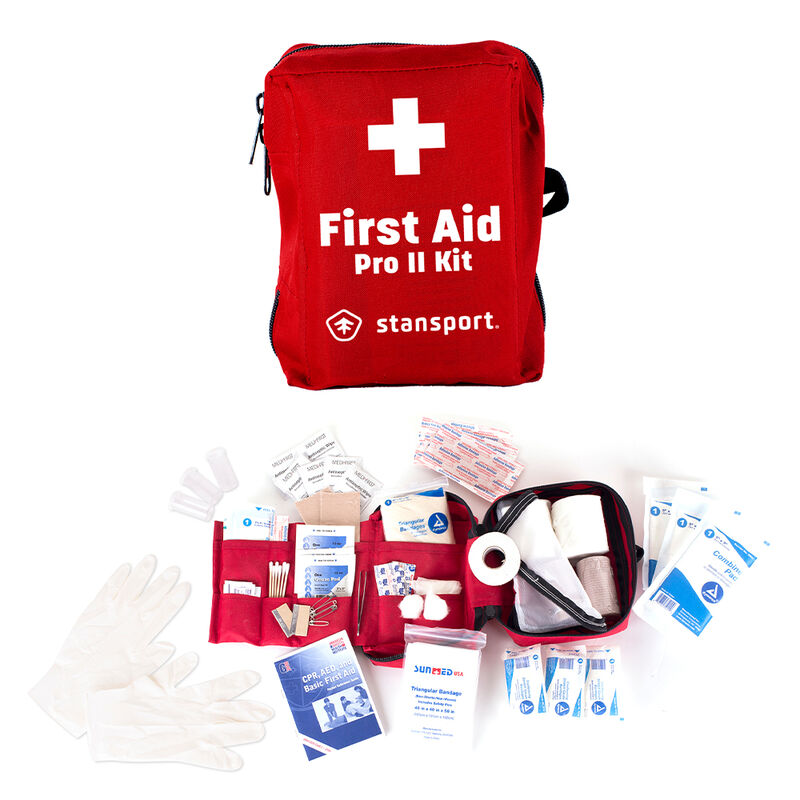
For many hiking and camping trips, a basic kit may include:
- Protective supplies: Nitrile gloves, hand sanitizer, and a CPR face shield.
- Wound-care items: Adhesive bandages in several sizes, sterile gauze pads, medical tape, and nonstick dressings.
- Cleaning supplies: Sterile saline or clean-water irrigation supplies for rinsing wounds, plus antiseptic wipes for intact skin or nearby surfaces. Avoid putting harsh antiseptics into deep wounds.
- Blister care: Moleskin or blister pads, plus small scissors to trim dressings.
- Support and protection: An elastic bandage, triangular bandage, and a few safety pins.
- Tools: Tweezers, trauma shears, a digital thermometer, and a small flashlight or headlamp.
- Emergency items: An emergency blanket, whistle, and a notepad and pencil for recording symptoms and times.
- Reference information: A compact first aid guide and emergency contacts, including relevant local rescue or park-service numbers.
Medications and Personal Needs
Pack personal prescription medicines in their original, labeled containers when practical, and bring enough for the trip plus a reasonable backup. Keep medications protected from moisture, heat, and freezing as directed on the label. Include any supplies needed to manage known conditions, such as allergies, asthma, or diabetes.
Some travelers also pack over-the-counter medicines for pain, allergies, or stomach symptoms. Choose only medicines that are appropriate for the person taking them, follow the label, and consider allergies, medical conditions, age, and possible interactions. Do not share prescription medication. If someone has a prescribed epinephrine auto-injector, rescue inhaler, or other emergency medicine, make sure it is accessible and that trip companions know where it is and how to assist.
Adjust the Kit to the Trip
Before leaving, think through the risks and logistics of your route. A remote trip may call for additional wound dressings, more gloves, extra personal medication, or equipment suited to the environment. For a group, plan for the number of people and the length of travel, while keeping the kit organized and easy to reach.
Also consider communication and evacuation. A first aid kit cannot solve problems such as getting lost, severe weather, or an injury that prevents someone from walking. Depending on the location, carry a map, navigation tools, a reliable communication device, and appropriate emergency shelter. Tell someone your route and expected return time.
Keep the Kit Ready
- Store supplies in a durable, water-resistant pouch.
- Label compartments so items can be found quickly.
- Check expiration dates and replace used or damaged supplies after each trip.
- Keep a separate list of group members’ medical needs and emergency contacts, respecting their privacy.
- Practice using unfamiliar items before you leave.
Know When to Get Help
Seek emergency assistance for severe bleeding, difficulty breathing, suspected spinal injury, altered consciousness, a serious allergic reaction, or any rapidly worsening condition. Do not delay evacuation to keep treating an injury in the field. When contacting rescuers, share your location, the person’s condition, what happened, and what care has already been provided.
The most effective wilderness first aid kit is one that matches the trip, is maintained, and is carried by people who know how to use it. Preparation before departure can make it easier to respond calmly and make safer decisions when something goes wrong.
Essential Wilderness First Aid Kit FAQs: What to Include, Maintain, and Learn for Outdoor Safety
- What should I include in a wilderness first aid kit?
- How do I choose a wilderness first aid kit for hiking or camping?
- What medications should I carry in a wilderness first aid kit?
- How do I treat blisters in the wilderness?
- How can I safely clean and dress a wound outdoors?
- How often should I check and restock my wilderness first aid kit?
- What first aid supplies should I add for a remote or multi-day trip?
- What training do I need to use a wilderness first aid kit effectively?
What should I include in a wilderness first aid kit?
A wilderness first aid kit should include nitrile gloves, adhesive bandages, sterile gauze and dressings, medical tape, wound-rinsing supplies, blister treatment, an elastic bandage, tweezers, trauma shears, and a CPR face shield. Pack personal medications and any condition-specific supplies, plus an emergency blanket, a small first aid guide, and emergency contact information. Adjust the kit for your group, trip length, and remoteness, and check it before each trip to replace used or expired items. Carry only supplies you know how to use, and consider wilderness first aid training.
How do I choose a wilderness first aid kit for hiking or camping?
Choose a wilderness first aid kit based on your group size, trip length, remoteness, likely hazards, and any personal medical needs. For a short, well-traveled day hike, a compact kit with gloves, bandages, gauze, blister care, wound-cleaning supplies, tweezers, and any needed personal medications may be enough. For longer or remote trips, carry extra supplies and consider items suited to the terrain and weather, along with a reliable way to communicate and summon help. Check that the kit is easy to carry, waterproof or stored in a dry bag, and stocked with supplies you know how to use; replace used or expired items before each trip.
What medications should I carry in a wilderness first aid kit?
The medications in a wilderness first aid kit should reflect your health needs, destination, and trip length. Carry your prescribed medicines in their original labeled containers, including any prescribed emergency medication such as an epinephrine auto-injector or rescue inhaler, and bring enough for the trip plus a backup when practical. You may also consider common over-the-counter medicines for pain, allergies, or stomach symptoms, but use only those that are safe for you and follow the label. Check with a healthcare professional or pharmacist if you have medical conditions, take other medications, or are unsure what to pack. Keep medicines protected from moisture and extreme temperatures, check expiration dates, and never share prescription medication.
How do I treat blisters in the wilderness?
To treat a blister in the wilderness, stop and reduce the friction causing it, then clean and dry the area. If the blister is intact, leave the skin in place and cover it with a blister dressing or a padded “donut” of moleskin placed around—not directly on—the blister. If it has opened, gently rinse it with clean water, leave any attached skin in place, apply a clean nonstick dressing, and keep it protected. Avoid popping an intact blister unless it is very painful and you have the training and sterile supplies to do so. Watch for increasing redness, warmth, swelling, pus, or worsening pain, and seek medical care if these develop.
How can I safely clean and dress a wound outdoors?
Wash or sanitize your hands and put on disposable gloves if available. Apply steady pressure with clean gauze or cloth to stop bleeding, then rinse the wound thoroughly with clean drinking water or sterile saline; use soap on the surrounding skin, but avoid putting alcohol, hydrogen peroxide, or iodine into the wound because they can damage tissue. Remove only loose, visible debris with clean tweezers, then cover the wound with a sterile dressing and secure it without wrapping too tightly. Change the dressing if it gets wet or dirty, and watch for increasing redness, warmth, swelling, pain, or pus. Get medical care for deep or gaping wounds, embedded objects, bites, uncontrolled bleeding, or signs of infection, and check whether a tetanus booster is needed.
How often should I check and restock my wilderness first aid kit?
Check your wilderness first aid kit before every trip and restock anything used, damaged, or missing. At least once or twice a year, review the entire kit, check expiration dates, and make sure medications and supplies have been stored as directed. Adjust the contents for each trip’s length, group size, and conditions, and replace expired items before heading out.
What first aid supplies should I add for a remote or multi-day trip?
For a remote or multi-day trip, expand your kit to cover the group size, trip length, and likely hazards. Consider packing extra wound dressings and gauze, medical tape, blister-care supplies, nitrile gloves, an elastic bandage, irrigation supplies for cleaning wounds, and any personal prescription medications with a backup supply. Add items suited to your route and conditions, such as an emergency blanket, a thermometer, or a communication device, and bring a first aid guide if helpful. Store supplies in a water-resistant pouch, check expiration dates, and carry only items you know how to use.
What training do I need to use a wilderness first aid kit effectively?
To use a wilderness first aid kit effectively, consider taking a wilderness first aid course that covers assessing injuries, controlling bleeding, treating common problems, and deciding when evacuation or emergency help is needed. For remote or extended trips, wilderness first responder training may be appropriate. Courses should include hands-on practice, and skills need regular refreshing. Learn how to use every item in your kit before you leave, and check current recommendations from a qualified training provider.